


 MENU
MENU
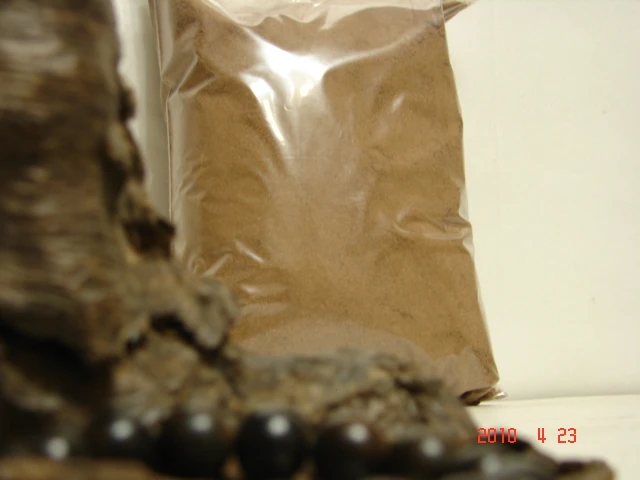
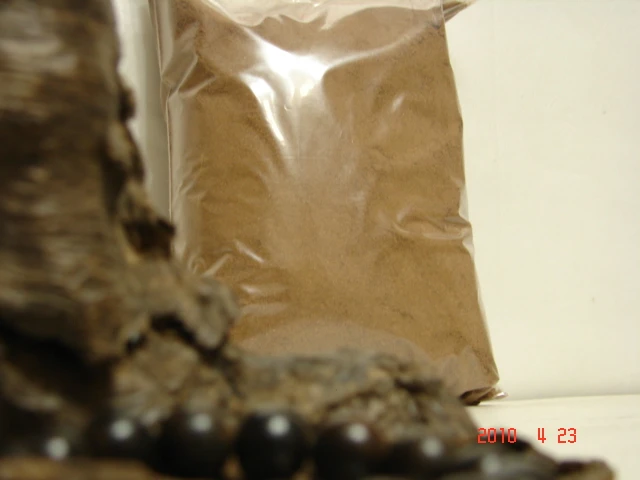
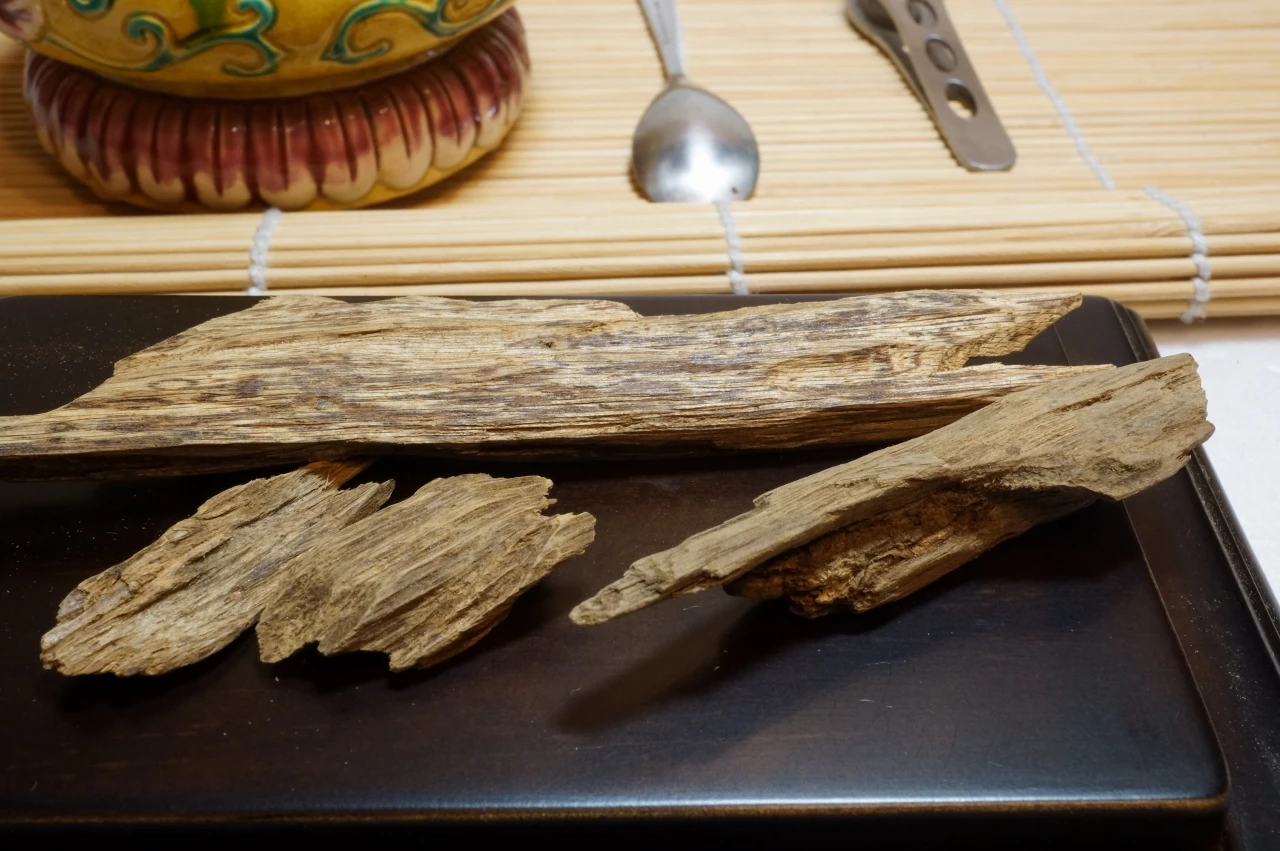
This is powder made from ground Papua New Guinea agarwood.
Its aroma is sweet and fragrant, wafting to the nose.
Suitable for incense burning, spiritual practice, and maintaining agarwood prayer beads, Buddha statues, and necklaces.
Tips for using it^^ :
1. When using an electric incense burner, remember to set it to a low temperature (1/3 to 1/4 degree Celsius). It also burns very slowly.
2. To care for agarwood prayer beads, use thick, zip-lock bags, glass bottles, wooden boxes, or brocade boxes—any odorless packaging.
After the agarwood powder has been placed in the packaging box for a period of time, the aroma it emits will be present inside the box.
Your precious agarwood prayer beads, after being wiped with a clean cotton cloth and placed inside, will absorb its fragrance...
above
Thank you for your care~
Agarwood. It sinks in water and has a fragrant aroma. In the "Mingyi Bielu" (Records of Famous Physicians), it refers to the wood containing black resin from the evergreen trees Aquilaria agallocha Roxb. and A. sinensis (Lour.) Gilg. of the Thymelaeaceae family. It is heavy and sinks, moving without dissipating, with more descending than ascending. It is most suitable for symptoms of qi stagnation and upward reversal. Its effect of descending reversal is stronger than that of sandalwood, and its application range is wider.
The herbal text *Cao Cao Tong Xuan* states that agarwood is "warm but not drying, flowing without stagnation, supporting the spleen and promoting its smooth flow, reaching the kidneys and guiding fire back to its source. It has the effect of relieving adverse qi without harming qi, thus it is an excellent product for regulating qi."
Medical research
indicates that agarwood is pungent, bitter, and warm in nature, and enters the spleen, stomach, and kidney meridians. Modern analysis reveals that it contains volatile oils (the main components of which are benzylacetone and p-methoxybenzylacetone), terpenoids, and cinnamic acid, etc., possessing the effects of promoting qi circulation and relieving pain, warming the middle jiao and relieving vomiting, warming the kidneys and promoting qi absorption. It is mainly used to treat cold stagnation of qi, chest and abdominal distension and pain, stomach cold and vomiting, hiccups, and kidney qi deficiency. Clinically, it is also used for bronchial asthma with good results.
Its aroma is sweet and fragrant, wafting to the nose.
Suitable for incense burning, spiritual practice, and maintaining agarwood prayer beads, Buddha statues, and necklaces.
Tips for using it^^ :
1. When using an electric incense burner, remember to set it to a low temperature (1/3 to 1/4 degree Celsius). It also burns very slowly.
2. To care for agarwood prayer beads, use thick, zip-lock bags, glass bottles, wooden boxes, or brocade boxes—any odorless packaging.
After the agarwood powder has been placed in the packaging box for a period of time, the aroma it emits will be present inside the box.
Your precious agarwood prayer beads, after being wiped with a clean cotton cloth and placed inside, will absorb its fragrance...
above
Thank you for your care~
Agarwood. It sinks in water and has a fragrant aroma. In the "Mingyi Bielu" (Records of Famous Physicians), it refers to the wood containing black resin from the evergreen trees Aquilaria agallocha Roxb. and A. sinensis (Lour.) Gilg. of the Thymelaeaceae family. It is heavy and sinks, moving without dissipating, with more descending than ascending. It is most suitable for symptoms of qi stagnation and upward reversal. Its effect of descending reversal is stronger than that of sandalwood, and its application range is wider.
The herbal text *Cao Cao Tong Xuan* states that agarwood is "warm but not drying, flowing without stagnation, supporting the spleen and promoting its smooth flow, reaching the kidneys and guiding fire back to its source. It has the effect of relieving adverse qi without harming qi, thus it is an excellent product for regulating qi."
Medical research
indicates that agarwood is pungent, bitter, and warm in nature, and enters the spleen, stomach, and kidney meridians. Modern analysis reveals that it contains volatile oils (the main components of which are benzylacetone and p-methoxybenzylacetone), terpenoids, and cinnamic acid, etc., possessing the effects of promoting qi circulation and relieving pain, warming the middle jiao and relieving vomiting, warming the kidneys and promoting qi absorption. It is mainly used to treat cold stagnation of qi, chest and abdominal distension and pain, stomach cold and vomiting, hiccups, and kidney qi deficiency. Clinically, it is also used for bronchial asthma with good results.
店家其他推薦商品
-
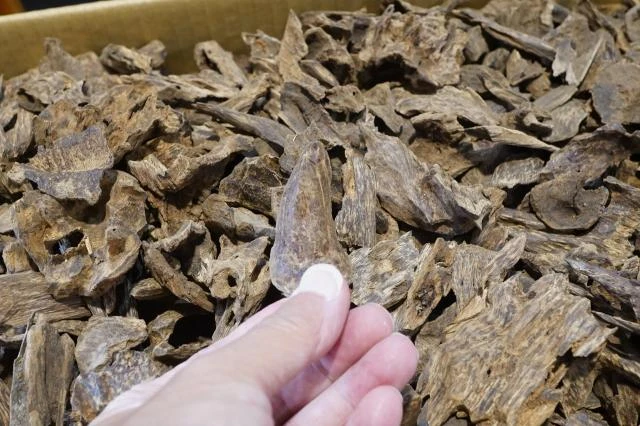
商品Vietnamese Hoi An Old Shell Agarwood per gram
原價350
特價220
-
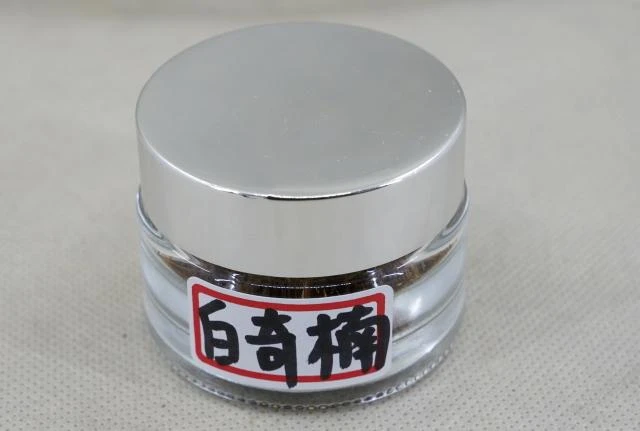
商品3 grams of wild white agarwood powder
原價120000
特價66000
-
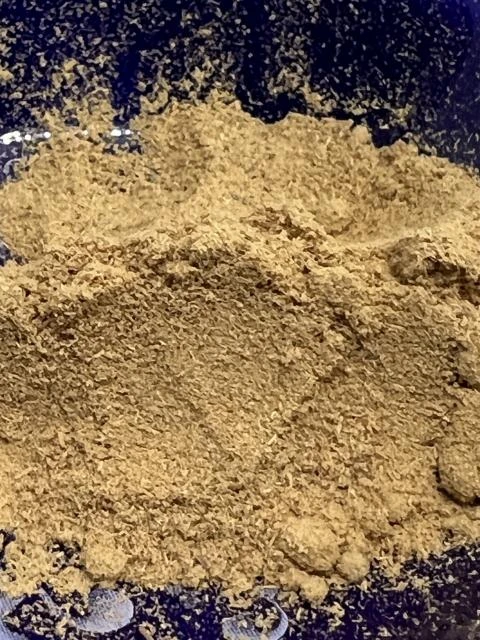
商品Western Australia Old and New Beef Root Powder / Two
原價60
特價50
-
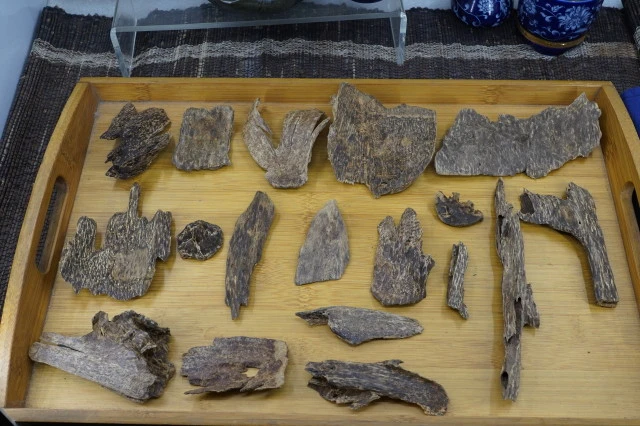
商品Vietnamese Hoi An agarwood slices with insect residue ~ per gram
原價150
特價100
-
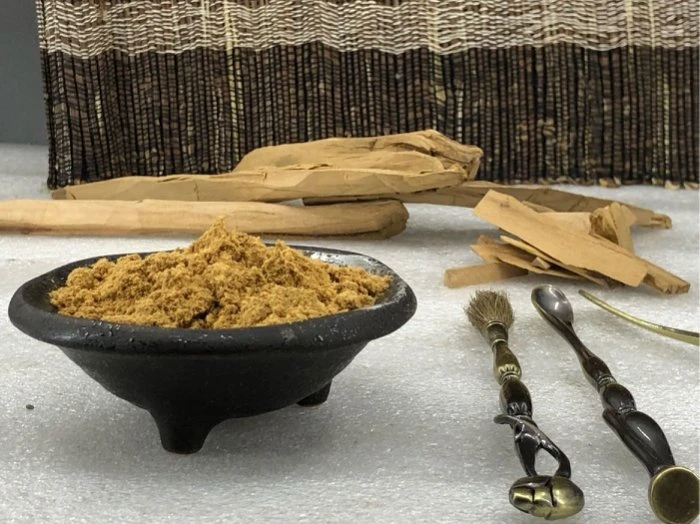
商品Genuine Indian Laoshan Chezhu powder costs 10 yuan per gram. Use 10 grams or more per dose.
原價20
特價15
-
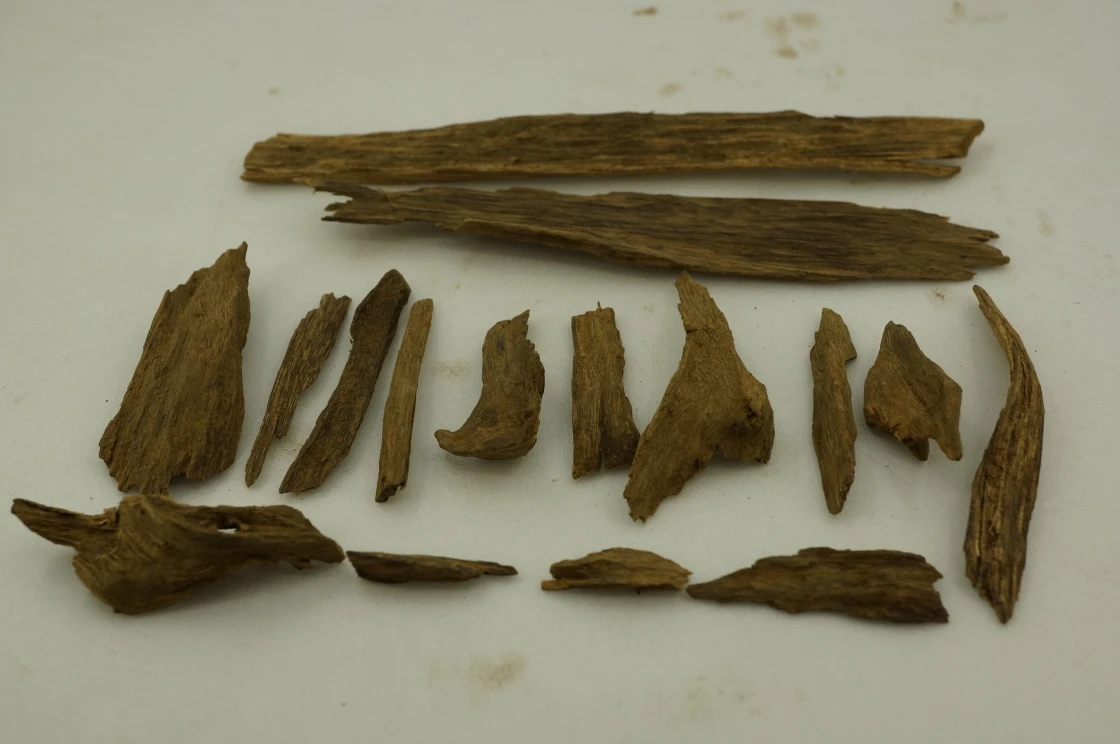
商品Papua agarwood slices
原價85
特價70
-
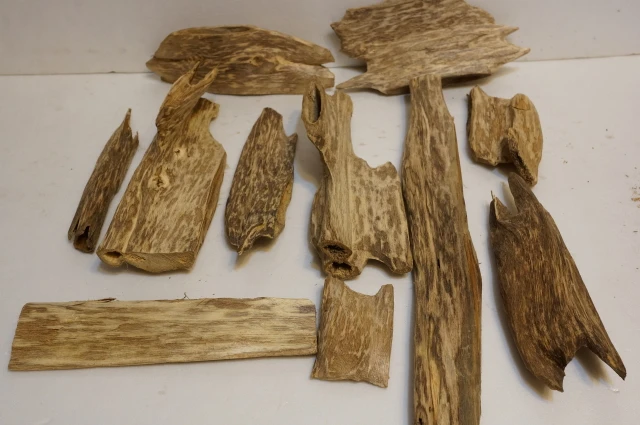
商品Malaysian Agarwood
原價30
特價25
-
商品Indonesian agarwood powder, 600g
原價800
特價600
-
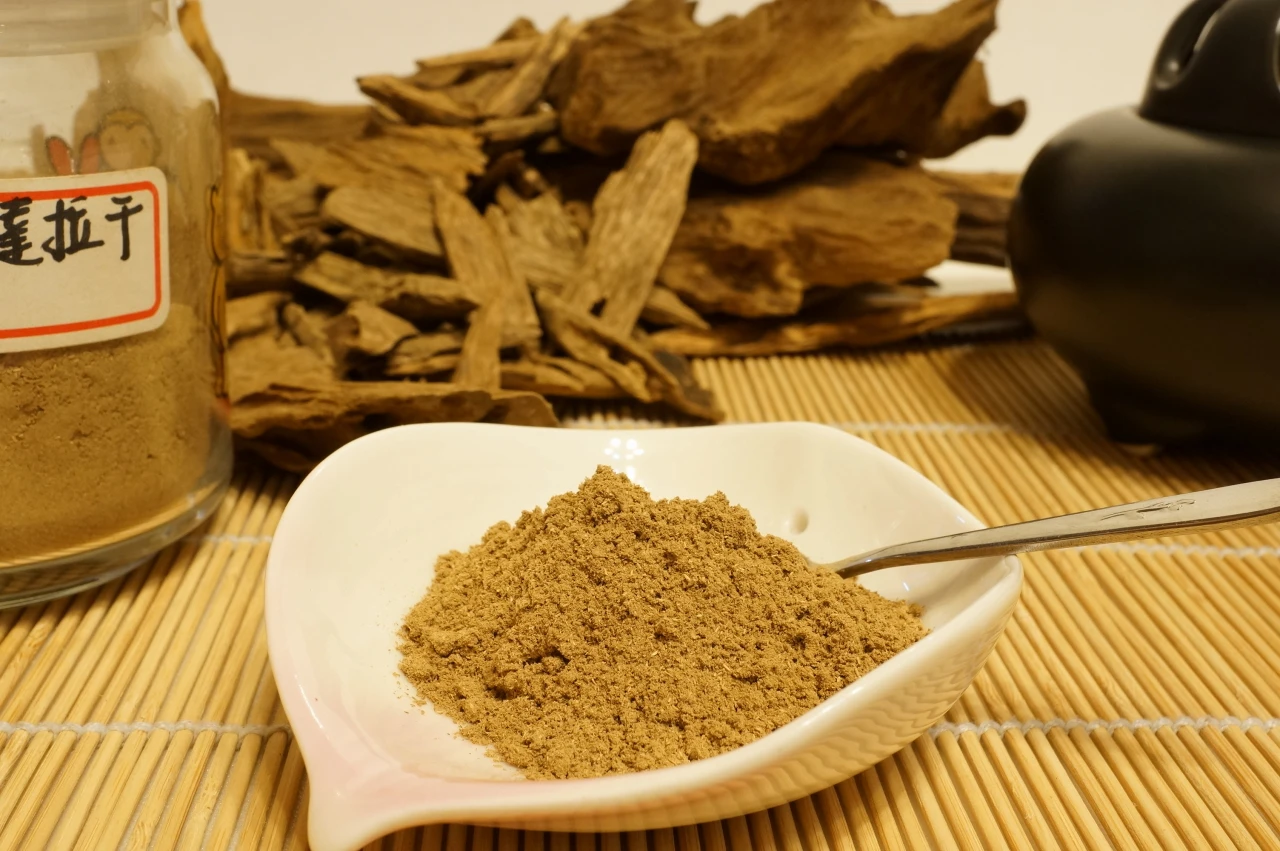
商品Freshly ground Tarakan agarwood powder
原價100
特價80
-
商品Tarakan Agarwood Slices
原價100
特價80
 發信給店家
發信給店家 聯絡店家
聯絡店家 加入店家line好友