


 MENU
MENU
FAQ

What is Ceramic-to-Metal Brazing?
Ceramic-to-Metal Brazing is a joining technology used to create strong and reliable connections between ceramic and metal components. Because ceramics and metals have significantly different physical and thermal properties, specialized metallization, surface preparation, and brazing processes may be required to achieve a durable and reliable bond. When properly designed and processed, ceramic-to-metal brazing can also provide hermetic sealing for applications requiring leak-tight assemblies.
Ceramic materials such as alumina (Al₂O₃), aluminum nitride (AlN), and other technical ceramics can be joined with metals including Kovar, copper, nickel-based alloys, and stainless steel. Depending on the ceramic-metal combination, operating conditions, and application requirements, suitable metallization systems and brazing alloys are selected to optimize bonding strength, thermal compatibility, electrical performance, and long-term reliability.
Ceramic-to-metal brazed assemblies can provide electrical insulation, high-temperature capability, mechanical strength, and environmental resistance. With appropriate material selection and process control, they can also provide hermetic sealing for demanding applications. Ceramic-to-metal brazing is widely used in semiconductor equipment, vacuum devices, power electronics, medical equipment, aerospace systems, sensors, and other applications requiring reliable ceramic-to-metal integration.
Ceramic materials such as alumina (Al₂O₃), aluminum nitride (AlN), and other technical ceramics can be joined with metals including Kovar, copper, nickel-based alloys, and stainless steel. Depending on the ceramic-metal combination, operating conditions, and application requirements, suitable metallization systems and brazing alloys are selected to optimize bonding strength, thermal compatibility, electrical performance, and long-term reliability.
Ceramic-to-metal brazed assemblies can provide electrical insulation, high-temperature capability, mechanical strength, and environmental resistance. With appropriate material selection and process control, they can also provide hermetic sealing for demanding applications. Ceramic-to-metal brazing is widely used in semiconductor equipment, vacuum devices, power electronics, medical equipment, aerospace systems, sensors, and other applications requiring reliable ceramic-to-metal integration.
相關文章
-
What is Thick Film Printing?
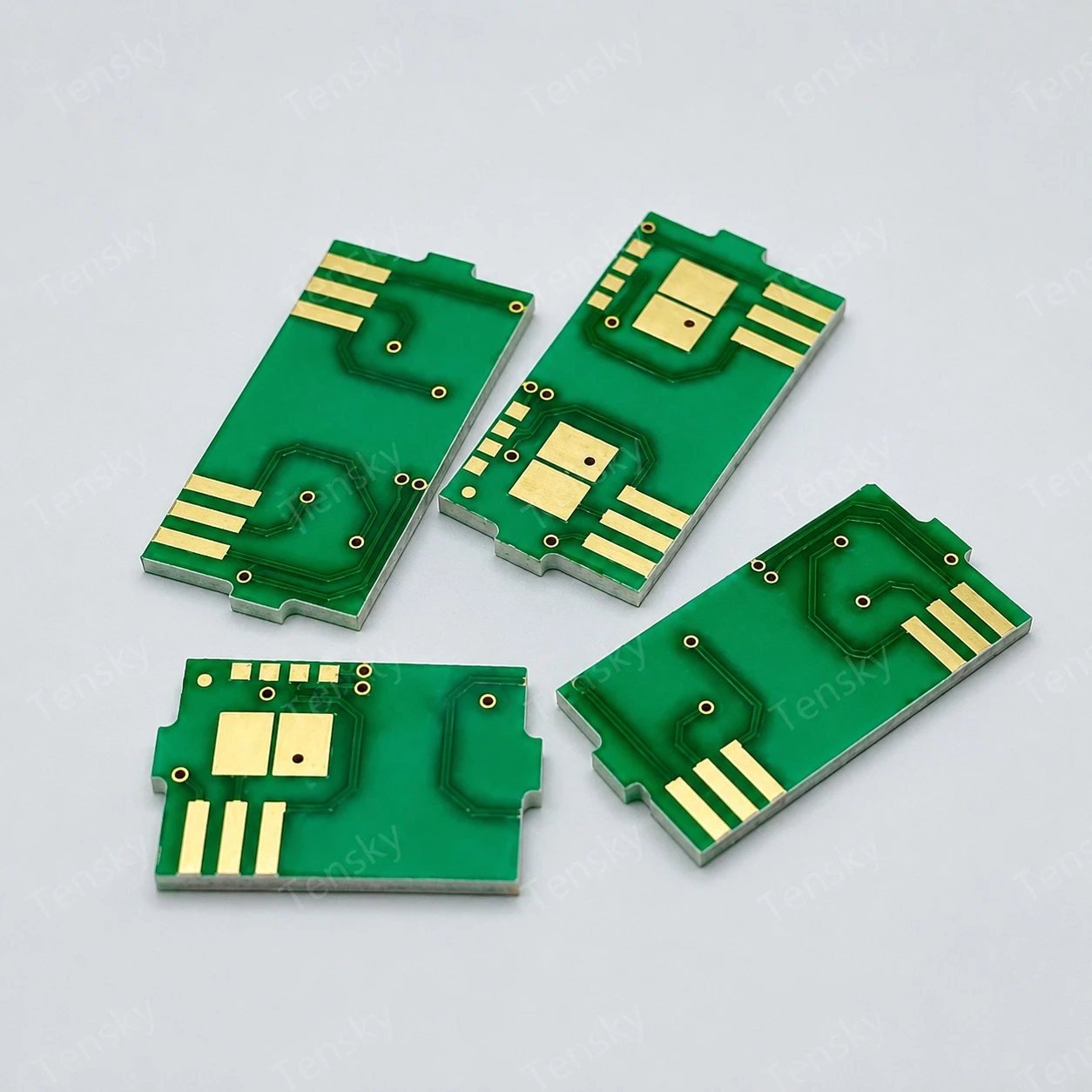
A printing process for creating conductive and functional circuits on ceramic substrates.
-
What is AMB?
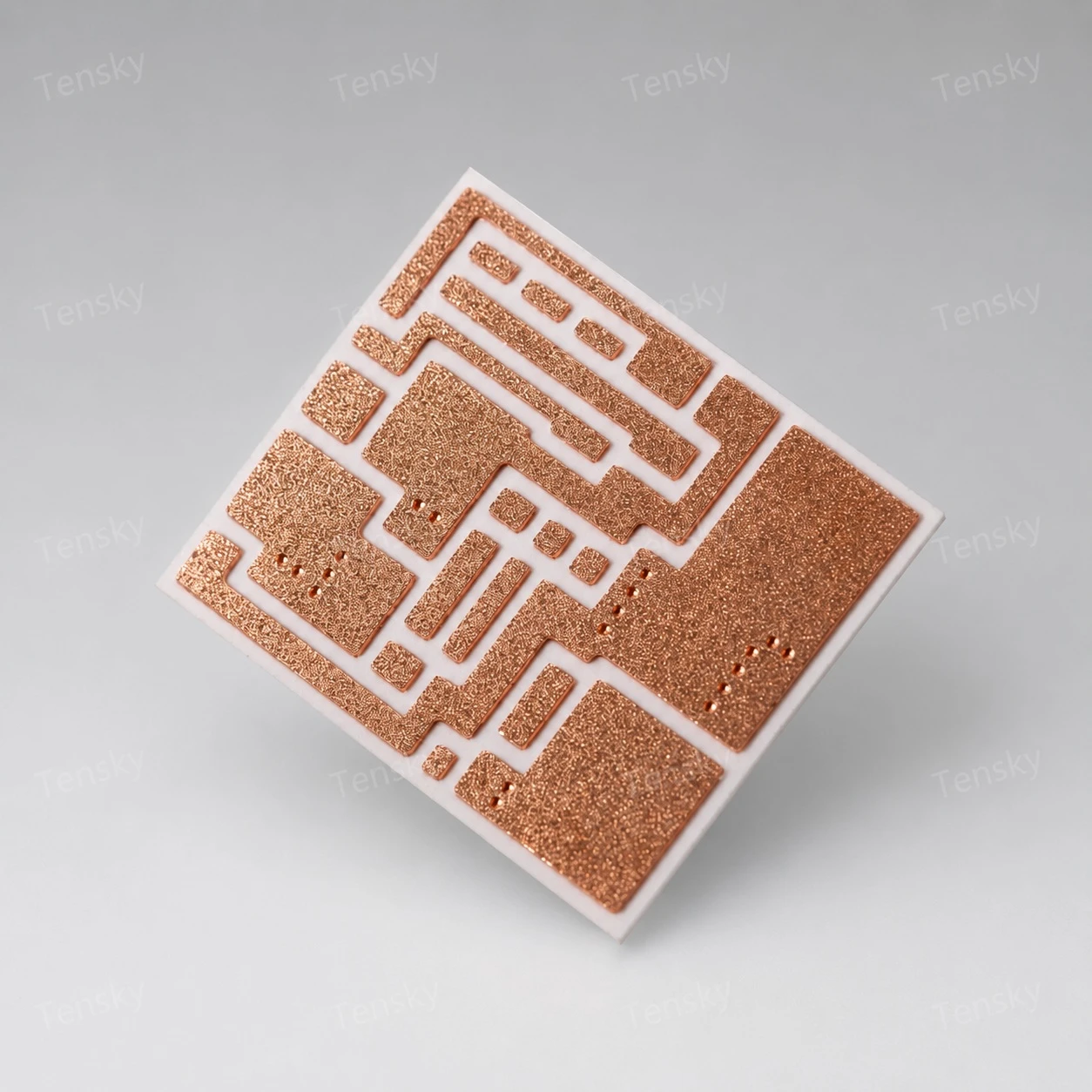
A high-strength bonding technology for joining copper and ceramic materials in demanding applications.
-
What is DBC?
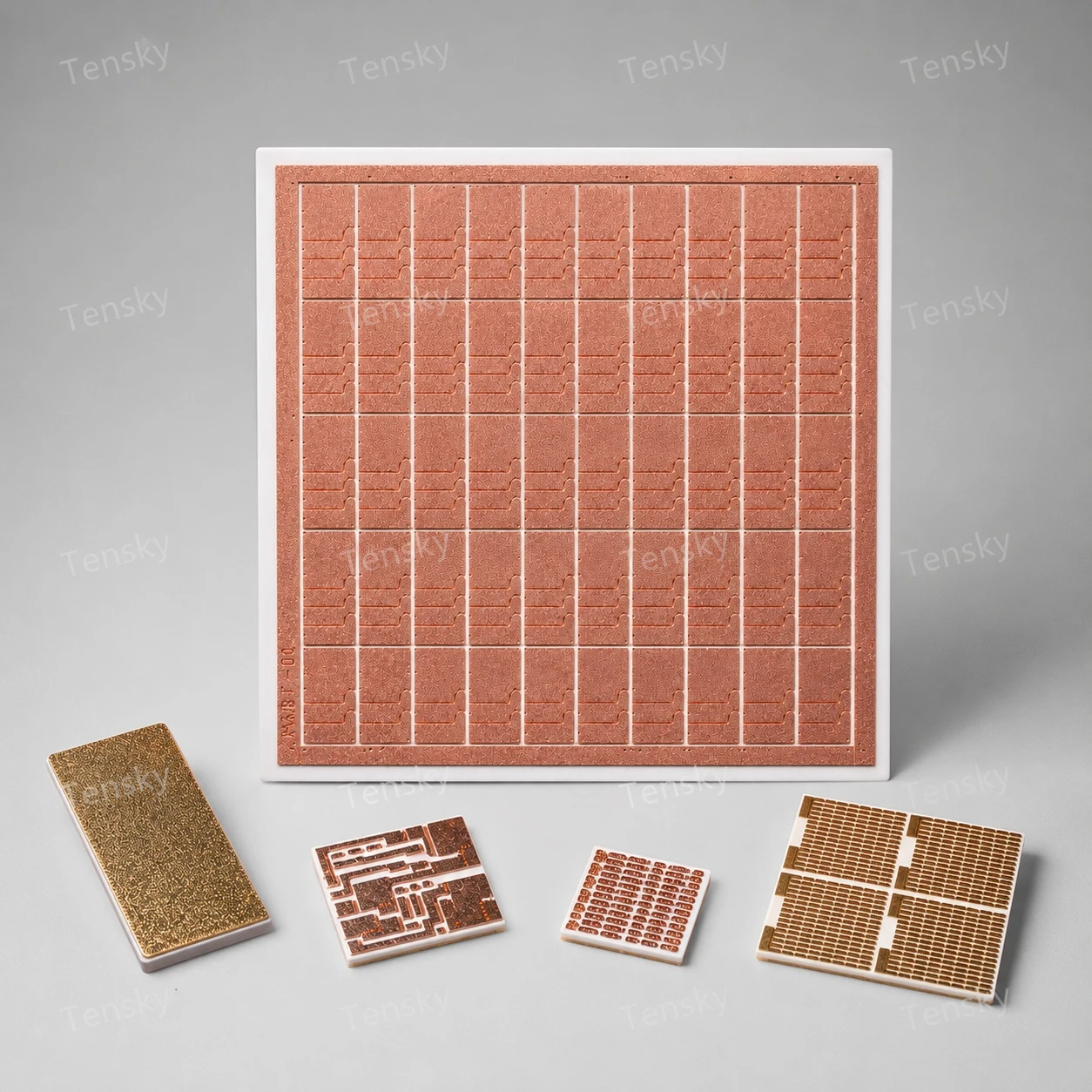
A ceramic substrate technology combining copper conductivity with excellent insulation and heat dissipation.
 發信給店家
發信給店家