


 MENU
MENU
FAQ

What is DBC?
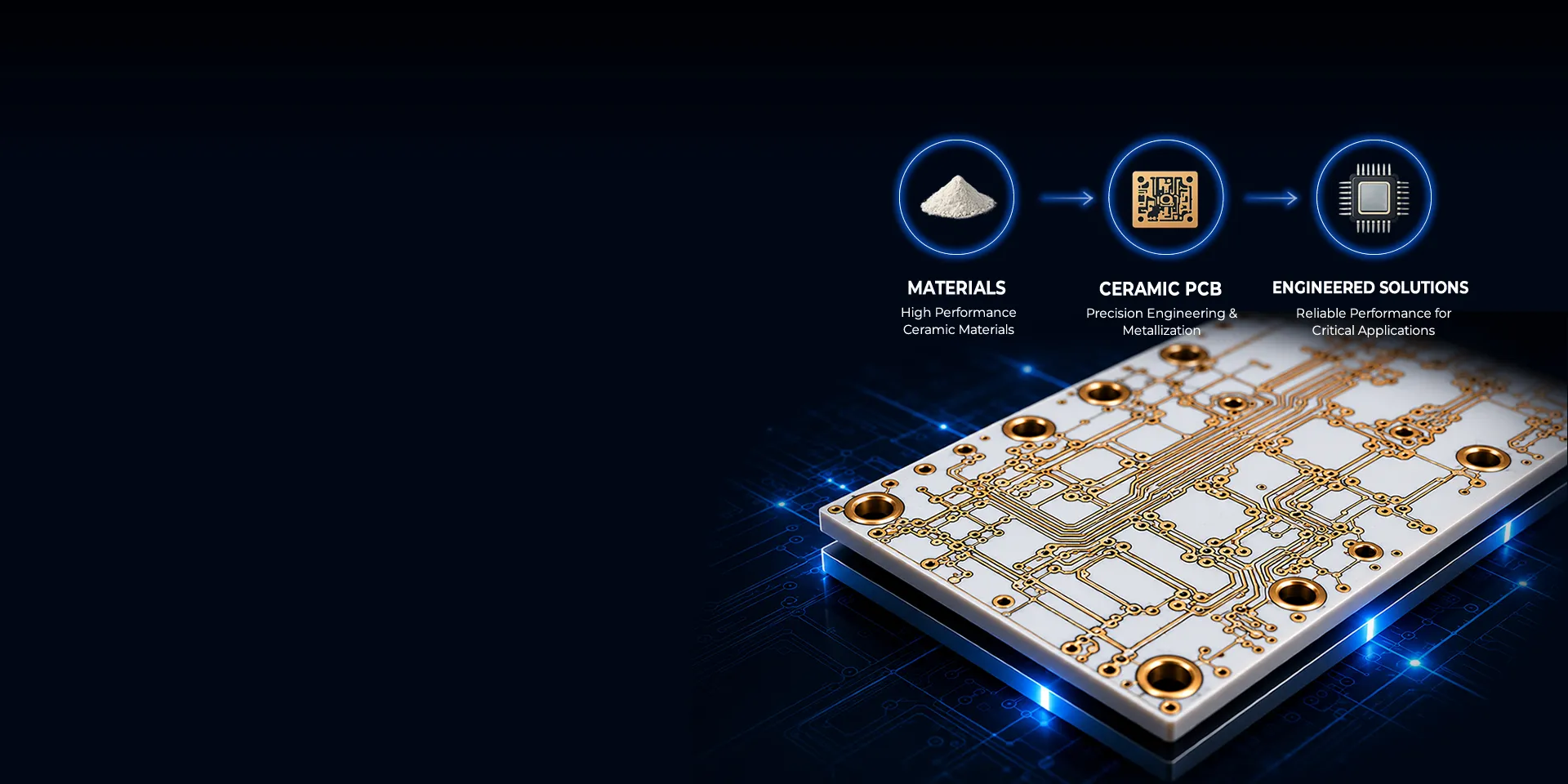
DBC (Direct Bonded Copper) is a ceramic substrate technology in which copper foil is directly bonded to a ceramic substrate through a high-temperature bonding process. This structure combines the excellent electrical and thermal conductivity of copper with the electrical insulation, thermal stability, and mechanical properties of ceramic materials, providing a reliable substrate solution for high-power electronic applications.
Common ceramic materials used for DBC substrates include alumina (Al₂O₃) and aluminum nitride (AlN). DBC ceramic substrates provide efficient heat dissipation, high electrical insulation, good mechanical strength, and reliable performance under demanding thermal and electrical operating conditions. The ceramic material and copper thickness can be selected according to the thermal, electrical, mechanical, and application requirements.
DBC technology is widely used in power modules, IGBT modules, SiC power modules, automotive electronics, renewable energy systems, industrial power electronics, and other high-power applications where efficient thermal management and electrical insulation are essential.
-
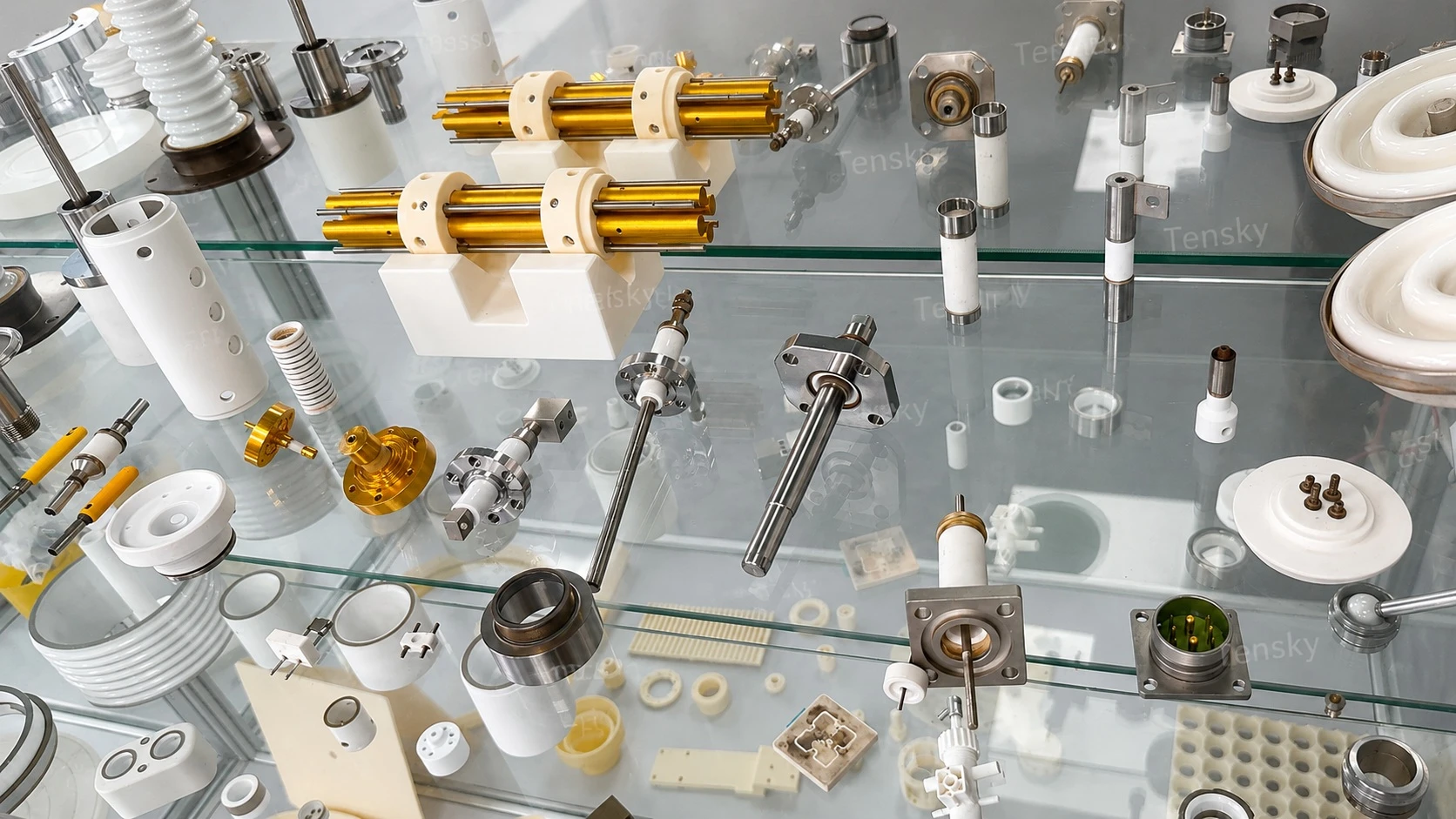
What is Ceramic-to-Metal Brazing?
A brazing technology that creates strong, reliable, and hermetic ceramic-to-metal joints.
-
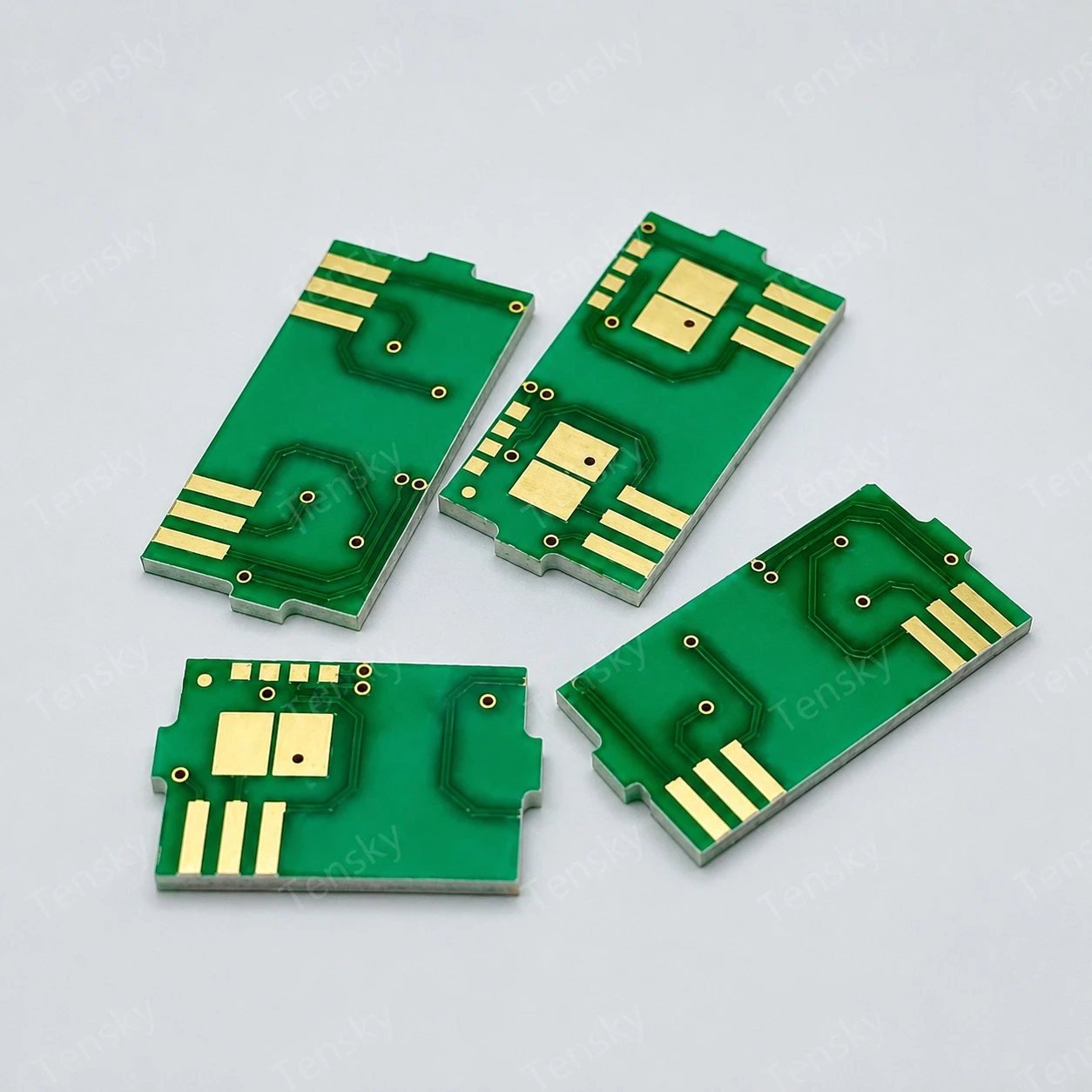
What is Thick Film Printing?
A printing process for creating conductive and functional circuits on ceramic substrates.
-
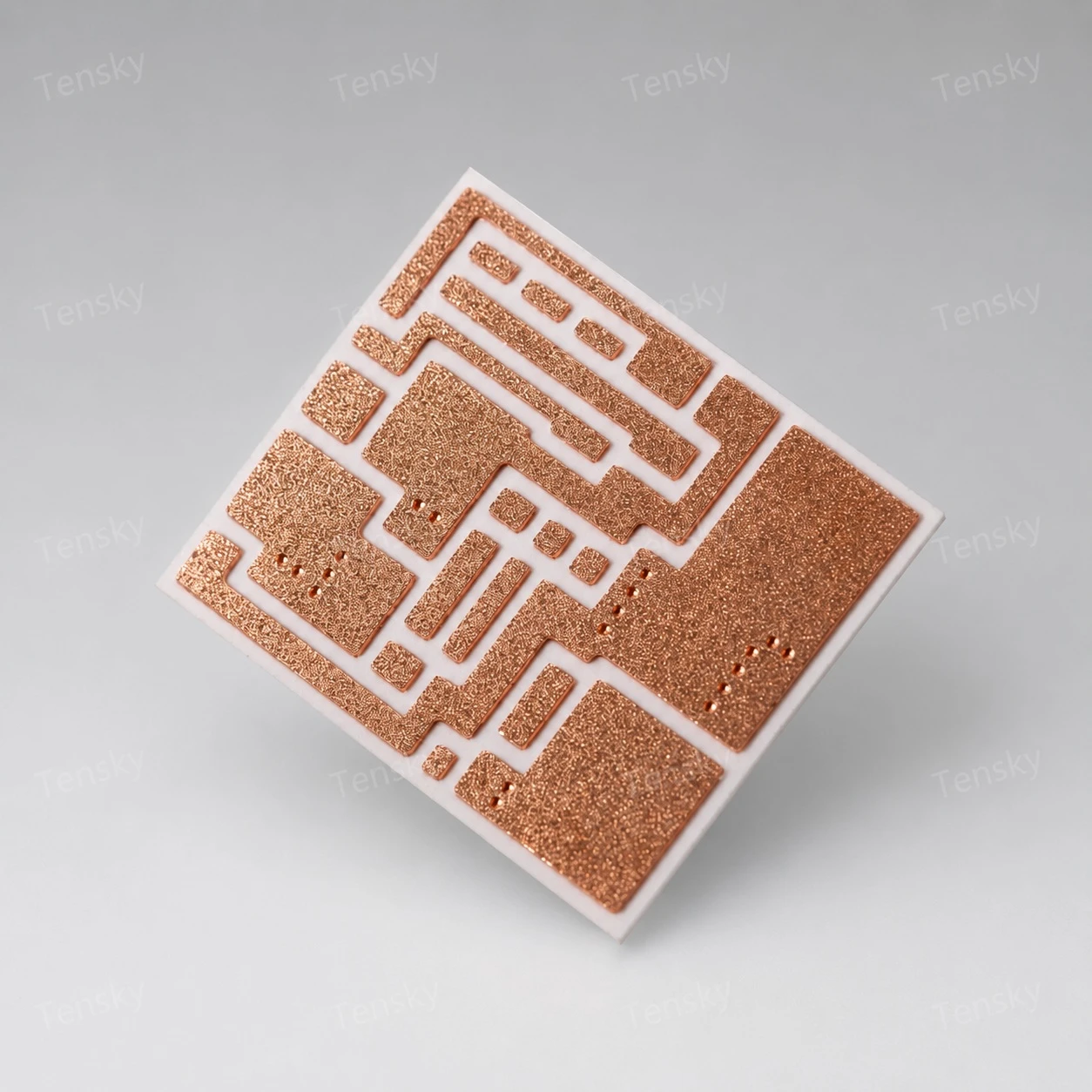
What is AMB?
A high-strength bonding technology for joining copper and ceramic materials in demanding applications.
 發信給店家
發信給店家