


 MENU
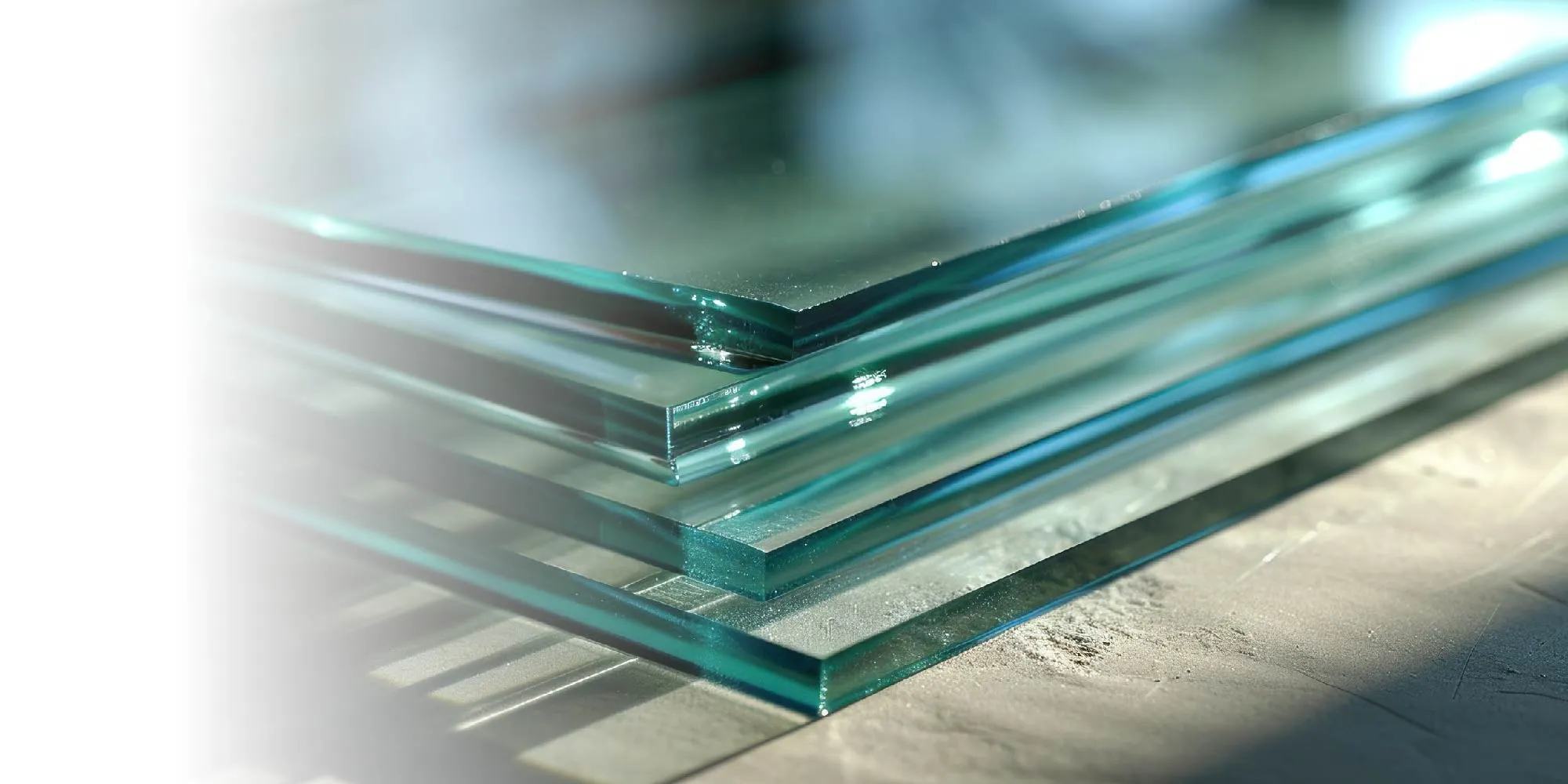


AF 32® has a low coefficient of thermal expansion similar to a silicon wafer, making it ideally suited to wafer-level packaging in the semiconductor industry. With high thermal stability, high optical quality, excellent dielectric properties, and very low roughnesses, it fits a broad range of applications.
Featuring a coefficient of thermal expansion closely matched to silicon, AF 32® is a versatile and reliable choice across diverse packaging applications.
SCHOTT AF 32® serves as an ideal substrate for infrared narrowband filters in 3D imaging and sensing applications. It is also a critical component for structured light, Time-of-Flight (ToF) sensors, stereoscopic imaging, and LiDAR, enabling facial recognition, distance detection, and scanning capabilities. Camera autofocus, video assistance, 3D modeling, augmented reality (AR), and virtual reality (VR) represent other primary application areas.
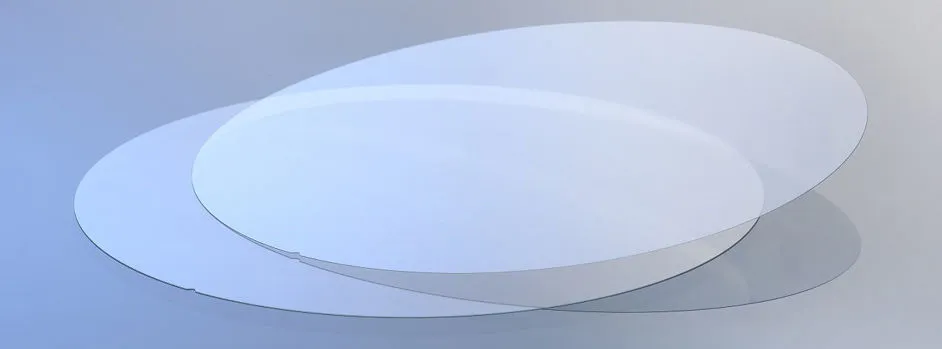
As a high-performance wafer-level packaging solution, AF 32® plays an essential role in camera imaging. Its coefficient of thermal expansion closely aligns with that of silicon, making it ideally suited as a silicon wafer capping layer. SCHOTT provides AF 32® with high flexibility in dimensions, geometries, and thicknesses, which—paired with its high and uniform optical transmittance—makes it an adaptable and dependable choice.
Thanks to its excellent compatibility with silicon devices, AF 32® delivers superior performance in semiconductor systems. With wafer thinning becoming an essential process in semiconductor manufacturing, AF 32® provides an effective solution for temporary bonding with silicon. These same material characteristics also make it an ideal high-quality ultra-thin glass cover or substrate in MEMS applications.
AF 32® plays a pivotal role in radio frequency (RF) and high frequency (HF) devices spanning smartphones, wearables, and automotive systems. Offering extremely low dielectric loss, AF 32® functions as an optimal substrate for Surface Acoustic Wave (SAW) filters to facilitate bidirectional conversion between electrical signals and acoustic waves. These filters are poised to play a vital role in ongoing 5G communications deployment.
Microdisplays such as LCoS, Micro OLED, and Micro LED depend on high-quality glass components like AF 32® to achieve peak performance. By enhancing optical transmission quality, AF 32® is also well-suited for projectors, near-to-eye (NTE) devices, head-up displays (HUDs), head-mounted displays (HMDs), electronic viewfinders (EVFs), as well as augmented reality and virtual reality systems.
Alkali-free AF 32® glass delivers outstanding technical performance, including high optical transmittance and superior dielectric properties. With tight geometric tolerances and a coefficient of thermal expansion closely matched to silicon, this unique glass provides broad application advantages across numerous industries.
A key feature of AF 32® is that it is completely alkali-free, making it exceptionally well-suited for semiconductor systems. Because its coefficient of thermal expansion closely aligns with that of silicon, it serves as a high-quality, ultra-thin glass cover or substrate for silicon wafers in semiconductor and MEMS devices.
AF 32® is available in a versatile range of thicknesses, from ultra-thin 30 µm up to 0.5 mm. Regardless of the required thickness, its Total Thickness Variation (TTV) is strictly controlled, ranging from ≤ 5 µm to ≤ 15 µm.
AF 32® glass exhibits stable, superior transmittance across visible and near-infrared wavelengths. Uncoated transmittance reaches up to 91.9%, and with anti-reflective (AR) coatings applied, transmittance can be boosted to 97%–99%.
With its low dielectric loss, AF 32® is ideally suited for extremely high-frequency applications. Its thermal expansion match to silicon allows seamless co-processing with silicon wafers, enabling SAW and BAW filters to achieve low insertion loss across GHz frequency bands.

 發信給店家
