


 MENU
MENU

文章管理

What is Micro-encapsulated Probiotic?

Microencapsulation: A Key Strategy for Enhancing Probiotic Stability and Formulation Flexibility
Probiotics are living microorganisms whose viability can be affected by temperature, humidity, oxygen exposure, and processing conditions.
From fermentation and manufacturing to transportation and storage, viable counts may gradually decline over time, potentially impacting product quality, label claims, and shelf-life stability.

The Five Core Functions of Microencapsulation
1. Improved Storage Stability
Microencapsulation structures help reduce the impact of heat, oxygen, and moisture on probiotic cells.
This supports slower viability loss during storage and enables better shelf-life management.
2. Protection During Processing
During blending, compression, granulation, or drying, probiotics may lose viability due to mechanical stress, pressure, or water-activity changes.
Microencapsulation provides a protective physical barrier and environmental buffer, helping probiotics maintain higher survival rates during manufacturing.
3. Enhanced Gastrointestinal Survival
Microencapsulation can help reduce direct exposure of probiotic cells to gastric acid and bile salts.
This may improve the likelihood of viable cells reaching the intestinal tract, which is critical for effective probiotic delivery.
4. Greater Formulation Flexibility
With microencapsulation, probiotics can be more compatible with plant extracts, organic acids, high-protein matrices, or ready-to-drink formulations.
This enables broader application possibilities across diverse product formats and market needs.
5. Improved Product Handling and Sensory Properties
Microencapsulation may help reduce odor release, moisture sensitivity, and powder instability.
These benefits contribute to better processing consistency and consumer experience.

Glac Patented Microencapsulation Technology
Through years of research and development, GLAC has established a multi-layer patented microencapsulation system that integrates nutritional support with physical protection, helping probiotics maintain stability throughout processing, storage, and application.- Triple-Layer Microencapsulation Structure (Taiwan Patent TW M613340)
This patented microcapsule structure combines natural peptides with carbohydrate components, forming both nutritional support and a protective barrier that helps maintain probiotic viability during processing and storage.
- Patented Casein and Non-Reducing Sugar Layer (Taiwan Patent TW M63110)
Through a proprietary protein–polysaccharide matrix design, this protective layer helps reduce the impact of oxygen exposure, humidity, and temperature fluctuations, improving probiotic resistance to environmental stress.

A Stable Foundation for High-Performance Probiotic Products
GLAC’s microencapsulation technology forms a physical barrier against environmental stress, helping slow viability loss and allowing products to retain viable counts closer to their intended formulation levels throughout storage.
This stability helps brands manage label claims more precisely, reduce the need for excessive overages, and improve confidence in product performance across diverse markets and storage conditions.

-

Automation Innovation – Enhancing Capacity and Efficiency
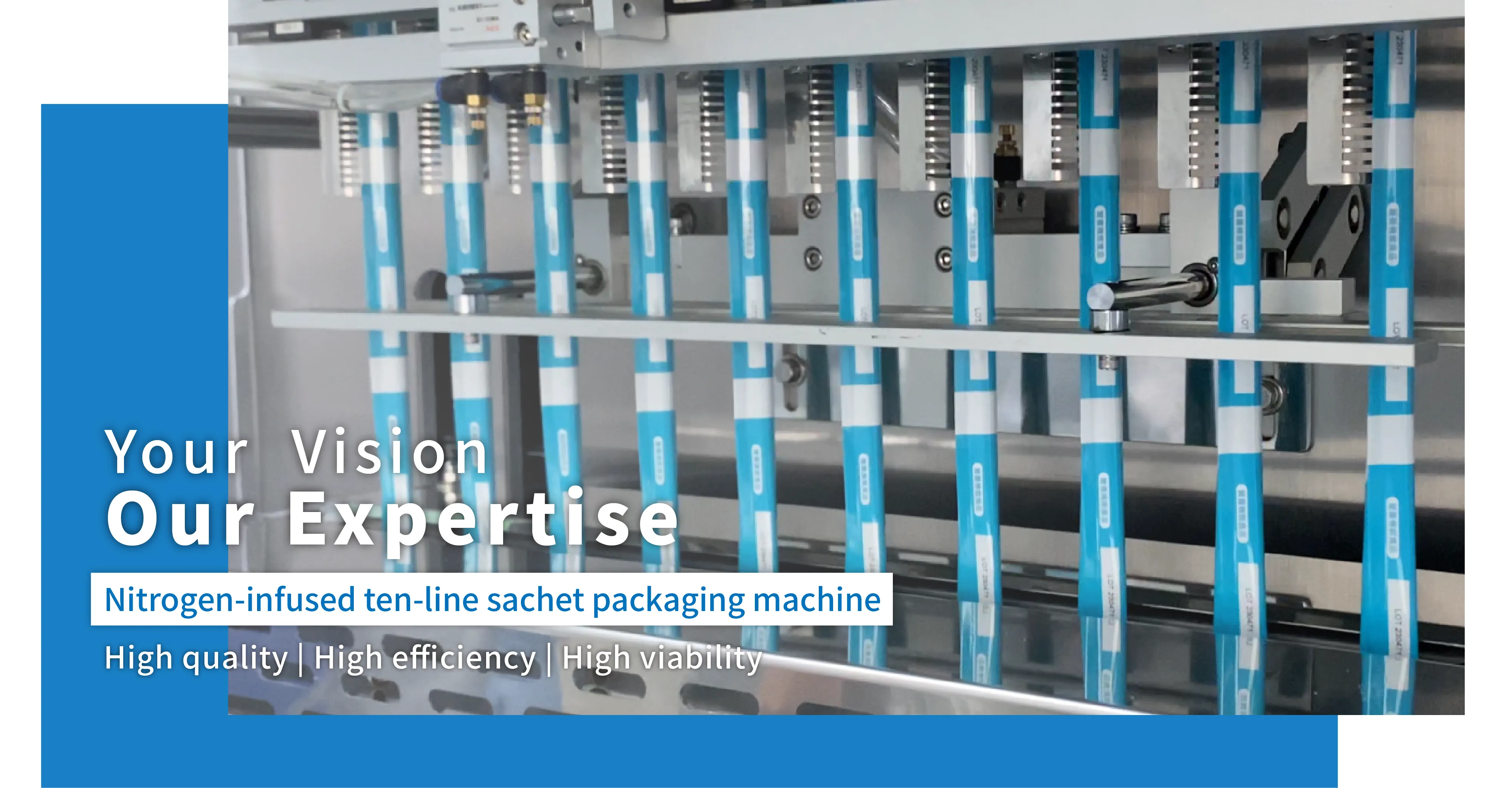
Glac Biotech improves production efficiency with automated capsule filling lines.
-
PRONEX® Probiotics Manufacturing Technology
Glac’s PRONEX® process ensures consistent probiotic quality through advanced automation control.
-
PRIMETEK® Integration Service
PRIMETEK® integrates end-to-end probiotic services—from strain design to mass production.
 發信給店家
發信給店家