


 MENU
MENU
NEWS

How can you distinguish between chemically produced perfumes and purely natural perfumes? Why are some stores selling pe
Hello everyone, I'm a new member who just registered here, and I have a question that has been bothering me for a long time! Many people need incense at home, but there are reports that the market is flooded with incense made with chemical fragrances, which can seriously harm human health. Therefore, I would like to ask if there are any simple and easy ways to distinguish between chemically made incense and incense made from genuine natural wood powder. Thank you!
Regarding your question, I believe many fellow fragrance enthusiasts share the same regret about the current overabundance of chemical fragrances.
How can one easily distinguish them?
I offer the following suggestions:
1. Natural fragrances require temperature to develop their aroma, while chemical fragrances have a very strong scent when smelled directly!
Natural fragrances can be stored for a long time and do not change their aroma after being burned; in fact, the longer they are stored, the better they smell. Chemical fragrances, on the other hand, will change their aroma after being left for a while and will have an oily or musty smell when smelled directly!
If you have some understanding of the wood powder from a particular region, you'll know that each region's agarwood and sandalwood have their unique aroma characteristics—
these "essences" cannot be imitated by chemical fragrances!!!
Here are some suggestions regarding the appearance of the fragrances:
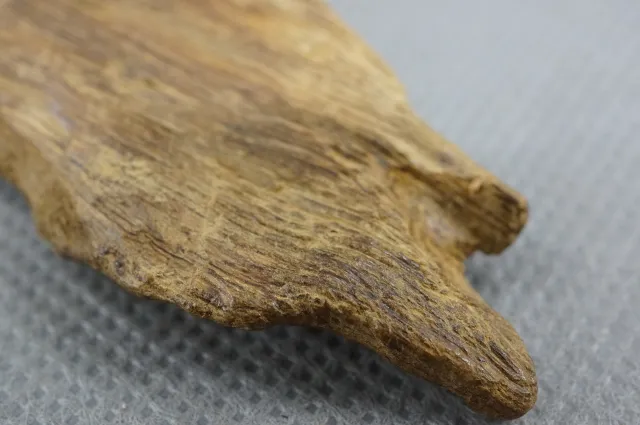
1. Traditional natural incense powders are made from ground raw woods such as agarwood, sandalwood, and traditional Chinese medicine. Agarwood and traditional Chinese medicine powders are generally finer, while sandalwood powder is coarser (generally speaking). See the pictures: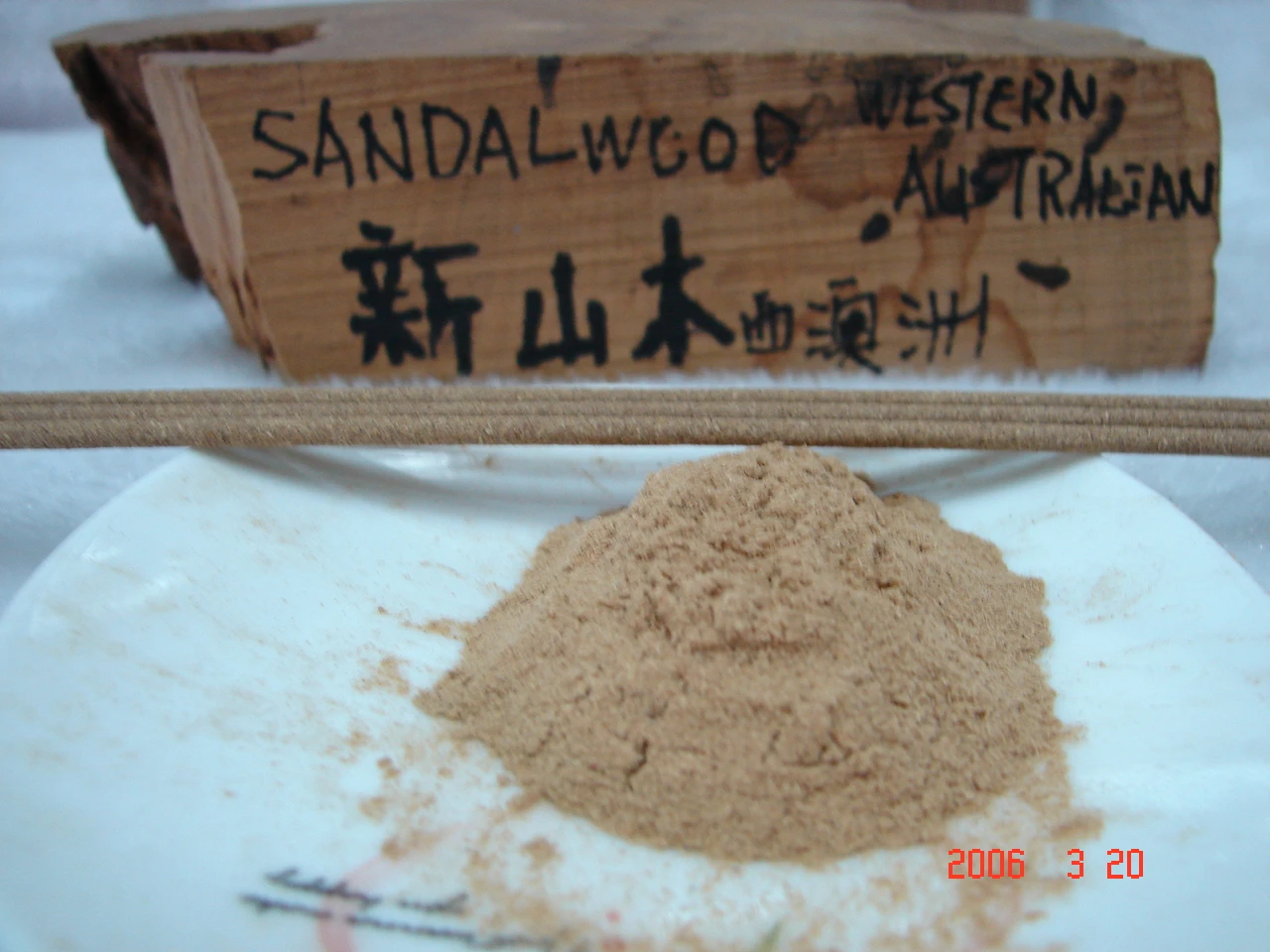
Johor Bahru sandalwood powder,
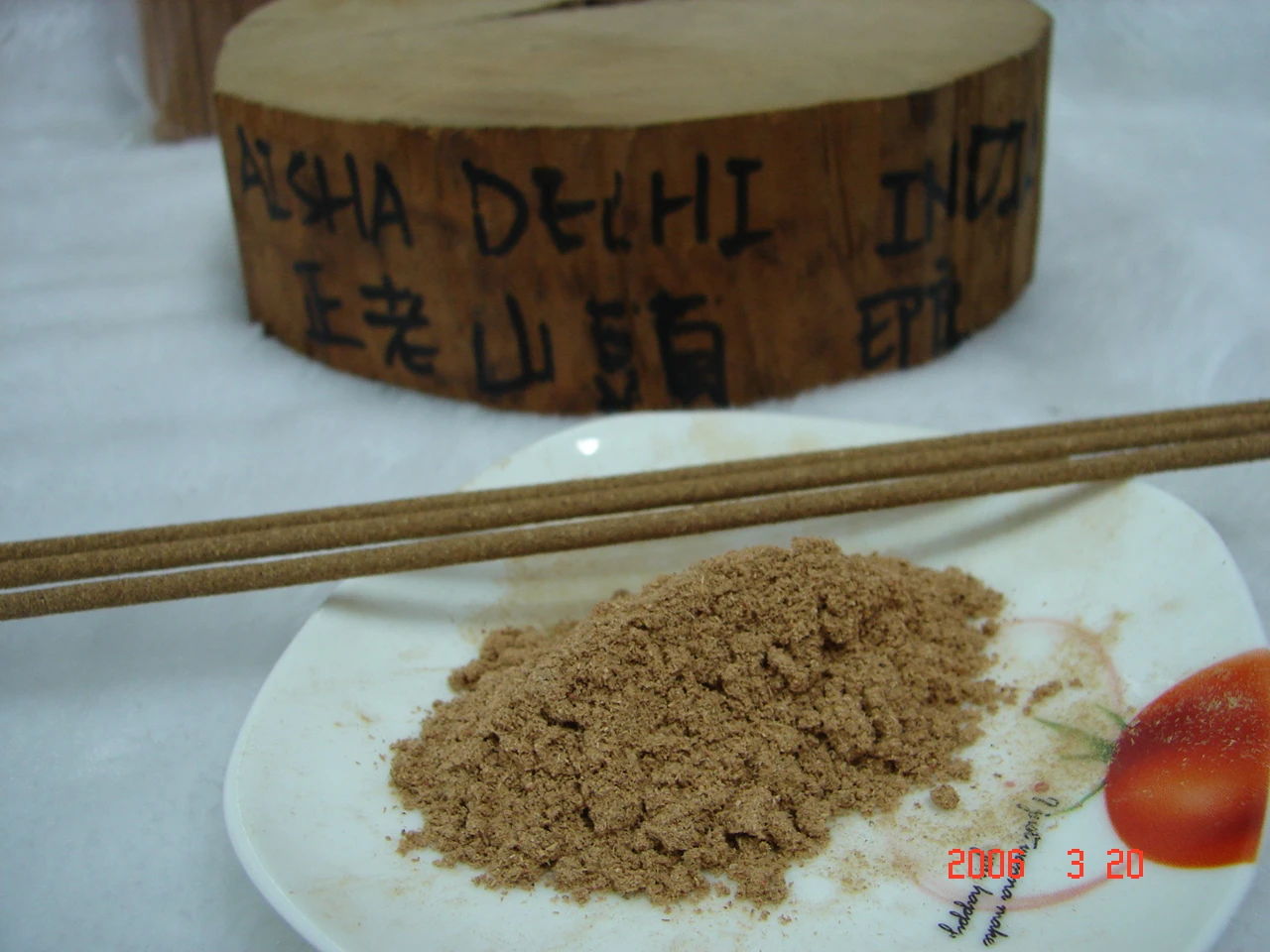
Johor Bahru sandalwood powder,
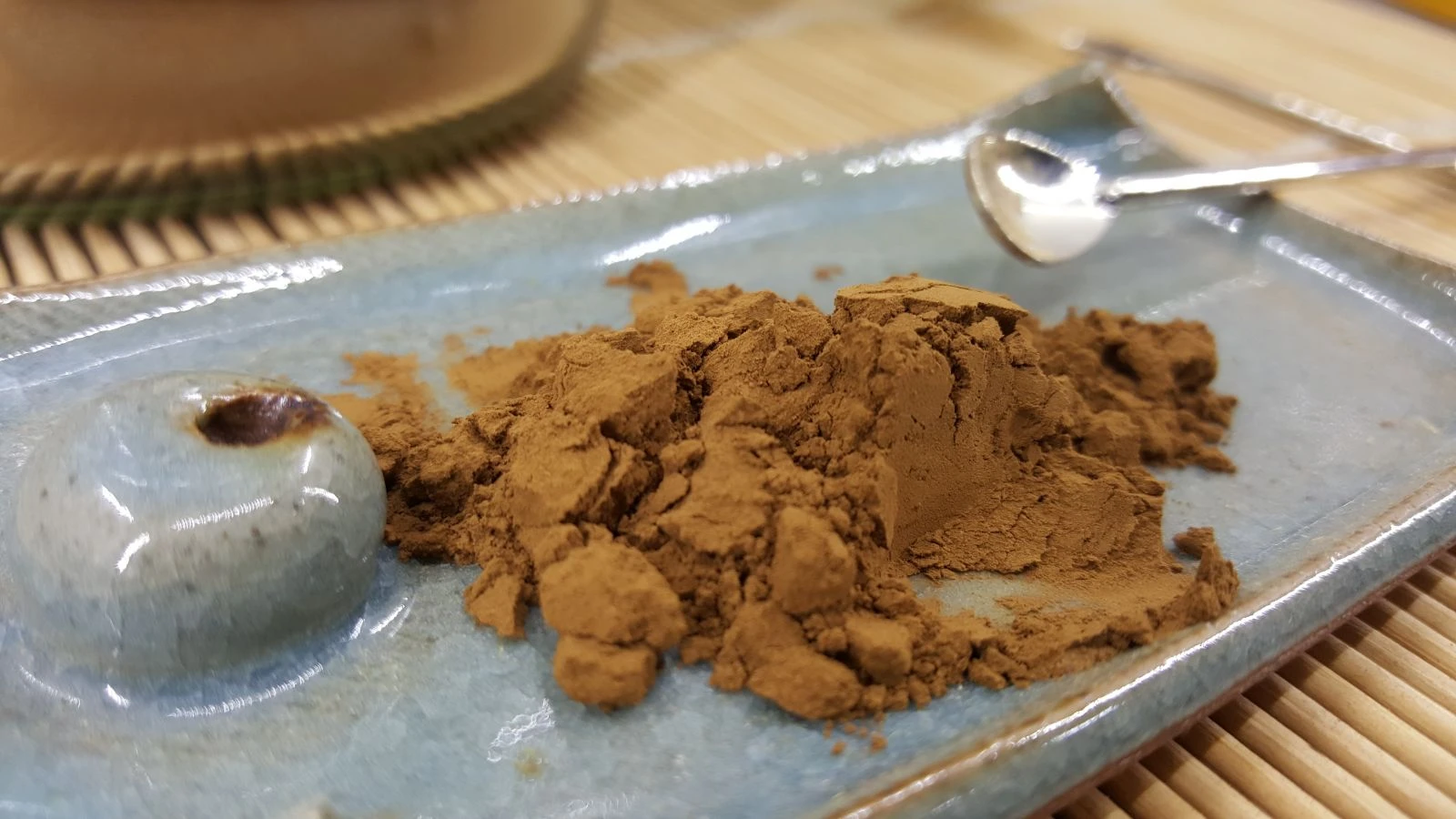
Ambon agarwood powder.
Regarding your question, I believe many fellow fragrance enthusiasts share the same regret about the current overabundance of chemical fragrances.
How can one easily distinguish them?
I offer the following suggestions:
1. Natural fragrances require temperature to develop their aroma, while chemical fragrances have a very strong scent when smelled directly!
Natural fragrances can be stored for a long time and do not change their aroma after being burned; in fact, the longer they are stored, the better they smell. Chemical fragrances, on the other hand, will change their aroma after being left for a while and will have an oily or musty smell when smelled directly!
If you have some understanding of the wood powder from a particular region, you'll know that each region's agarwood and sandalwood have their unique aroma characteristics—
these "essences" cannot be imitated by chemical fragrances!!!
Here are some suggestions regarding the appearance of the fragrances:
1. Traditional natural incense powders are made from ground raw woods such as agarwood, sandalwood, and traditional Chinese medicine. Agarwood and traditional Chinese medicine powders are generally finer, while sandalwood powder is coarser (generally speaking). See the pictures:
Johor Bahru sandalwood powder,
Johor Bahru sandalwood powder,
Ambon agarwood powder.
These pictures are provided to help you determine whether agarwood or sandalwood is the raw material for this incense. If the incense you purchase is sandalwood but has a powder as fine as agarwood, you must ask the seller to clarify to avoid misunderstanding!
Why do some stores offer "buy 5 get 5 free" incense? Are the raw materials that cheap?
2. With the advancement of modern technology, computer instruments can analyze the aroma of raw wood and then blend perfumes with similar scents, making them difficult to distinguish when added to fragrance powder.
International regulations, coupled with insufficient production, have driven up the production cost of raw wood fragrances. Chemical fragrance powders have seized this opportunity, and because they are much cheaper, their profit margins have increased.
Many businesses have switched to selling these products, leading to continuous price competition and the decline of natural fragrances.
I hope everyone can buy truly natural fragrances and experience their beauty...
Thank you, and your feedback is welcome!
Why do some stores offer "buy 5 get 5 free" incense? Are the raw materials that cheap?
2. With the advancement of modern technology, computer instruments can analyze the aroma of raw wood and then blend perfumes with similar scents, making them difficult to distinguish when added to fragrance powder.
International regulations, coupled with insufficient production, have driven up the production cost of raw wood fragrances. Chemical fragrance powders have seized this opportunity, and because they are much cheaper, their profit margins have increased.
Many businesses have switched to selling these products, leading to continuous price competition and the decline of natural fragrances.
I hope everyone can buy truly natural fragrances and experience their beauty...
Thank you, and your feedback is welcome!
相關文章

 發信給店家
發信給店家 聯絡店家
聯絡店家 加入店家line好友