


 MENU
MENU
NEWS

Smoke-free incense is better???!!!
Dear fellow incense enthusiasts,
many of you have asked me: "
The incense I buy doesn't produce smoke, so it won't blacken my house. It's great that it doesn't smoke..." Do you sell that kind?
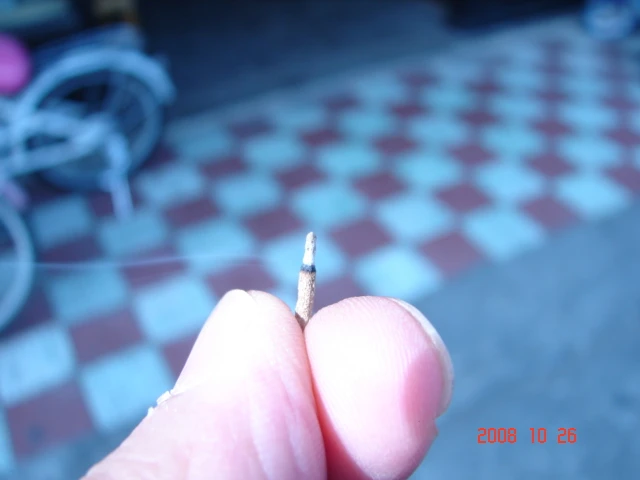
Those of you who have tried making your own incense, whether in-store or DIY, know that using the purest, highest-quality agarwood and sandalwood materials with plant-based binders will inevitably produce smoke.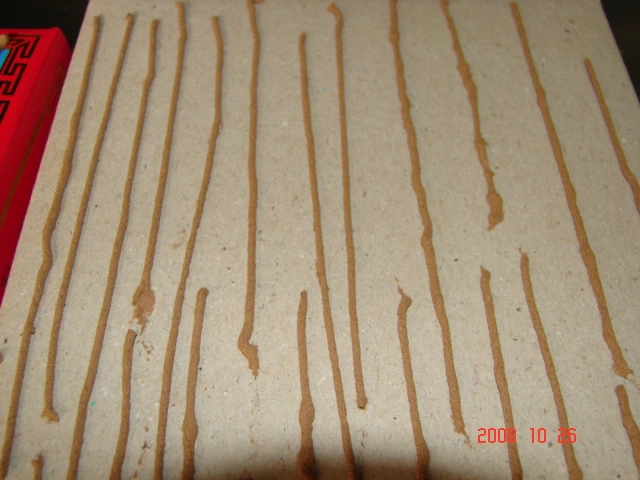
many of you have asked me: "
The incense I buy doesn't produce smoke, so it won't blacken my house. It's great that it doesn't smoke..." Do you sell that kind?
Those of you who have tried making your own incense, whether in-store or DIY, know that using the purest, highest-quality agarwood and sandalwood materials with plant-based binders will inevitably produce smoke.
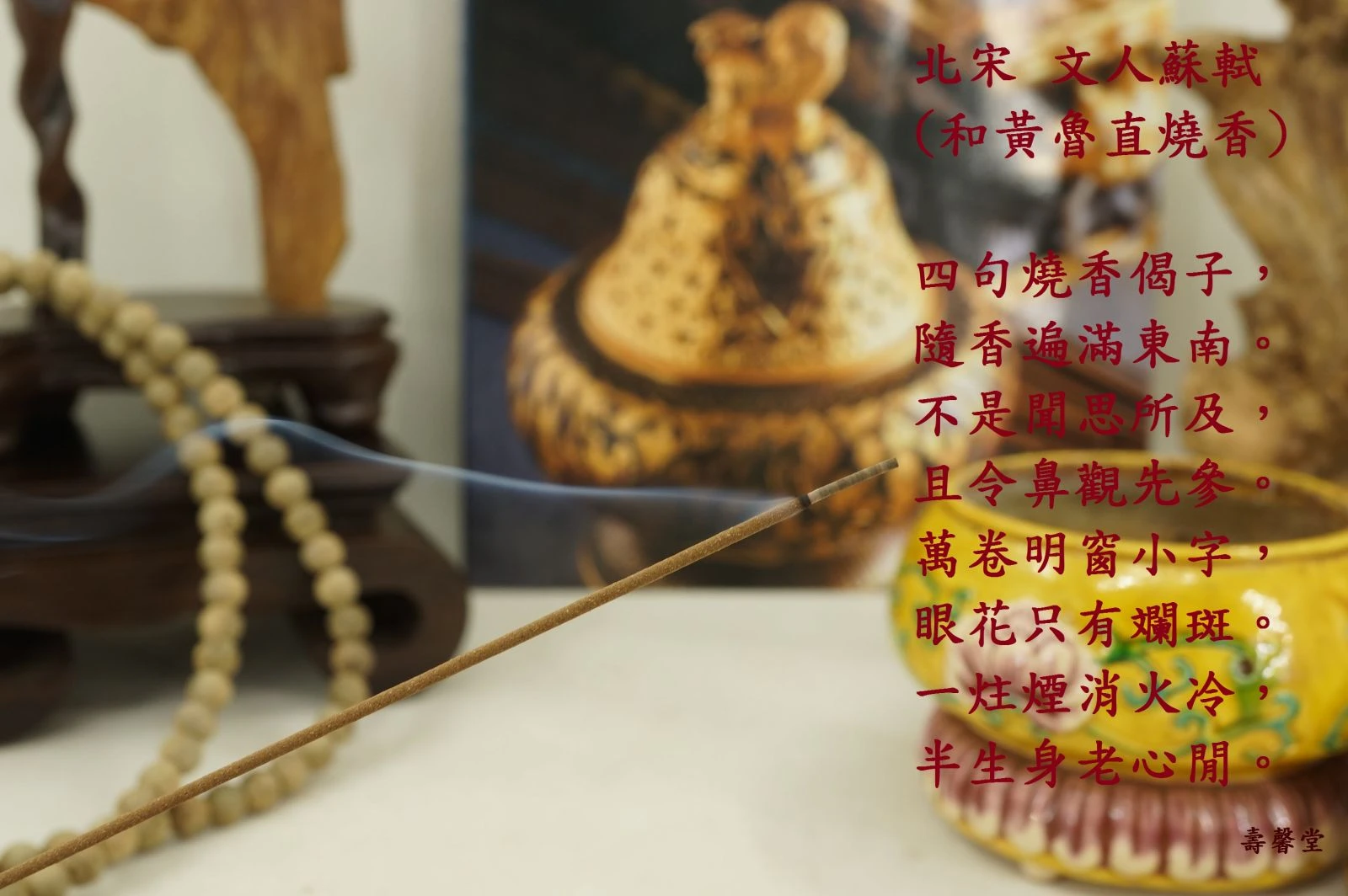
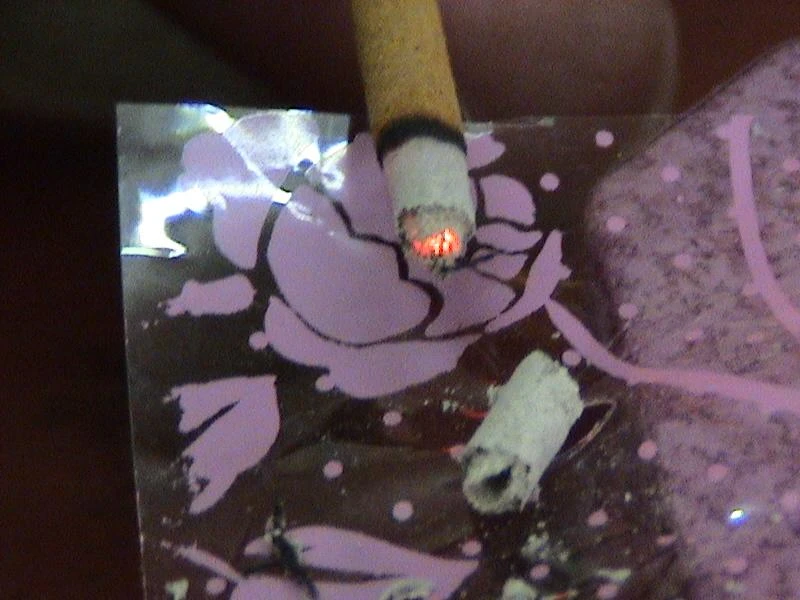
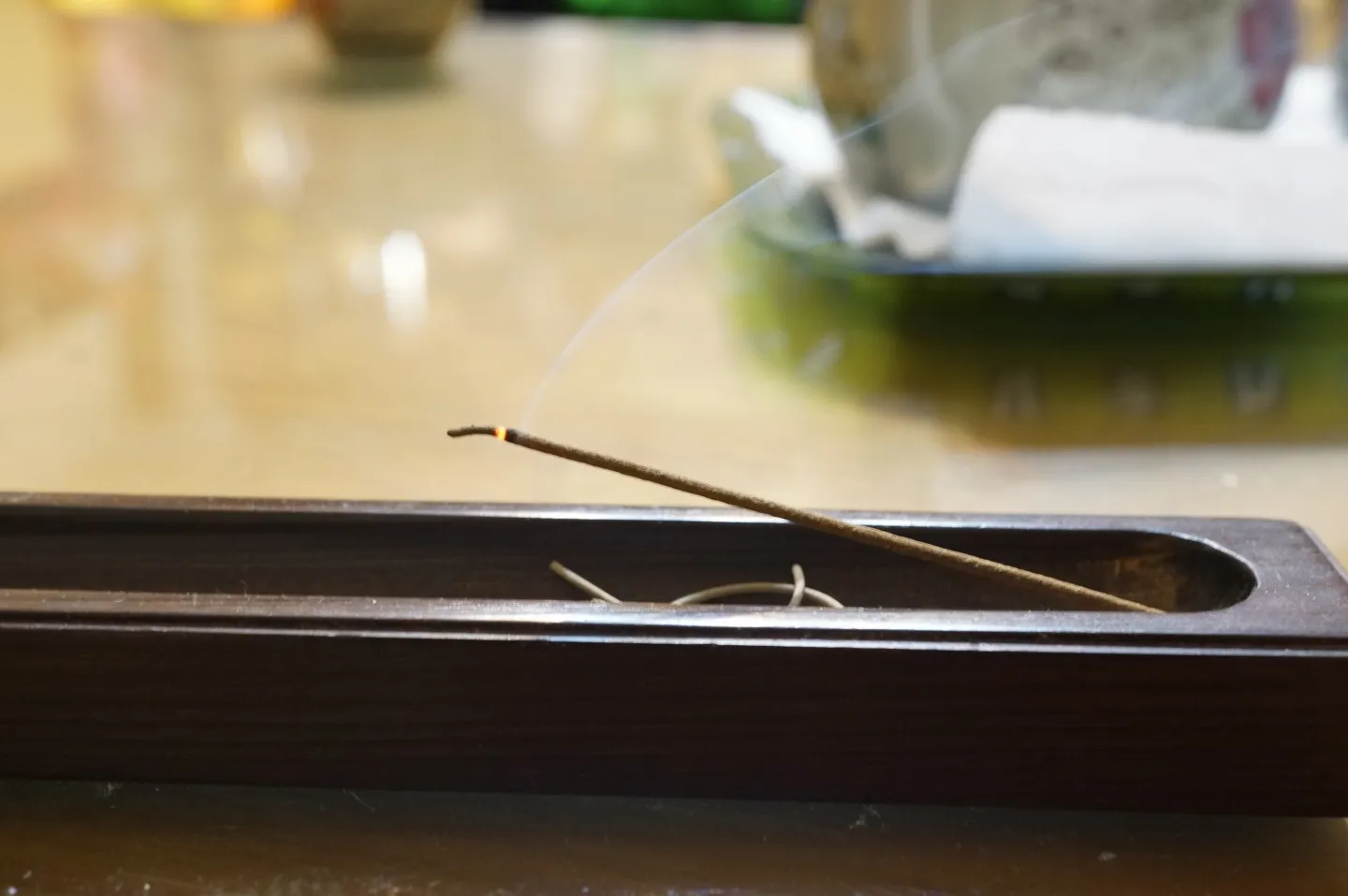
By observing the smoke as it drifts in the wind, you can judge and distinguish the quality of the incense materials used,
what's known as the top, middle, and base notes, or the layers of fragrance.
what's known as the top, middle, and base notes, or the layers of fragrance.
So how do you make smokeless incense?
(In progress) A certain amount of charcoal powder or industrial lime powder with nitrate (a combustion aid) is added.
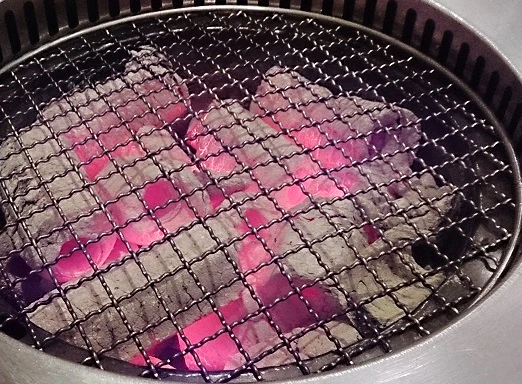
Adding charcoal powder raises the temperature, resulting in completely smokeless combustion, just like smokeless charcoal...
(In progress) A certain amount of charcoal powder or industrial lime powder with nitrate (a combustion aid) is added.
Adding charcoal powder raises the temperature, resulting in completely smokeless combustion, just like smokeless charcoal...
while industrial lime powder with nitrate is also smokeless and heavy!
Some incense enthusiasts say that incense is like life; visible dangers can be prevented, but unseen dangers... are truly frightening!!!
Furthermore, manufacturers can save on incense material costs, because natural sandalwood and agarwood are the truly precious materials!!!
If the incense market is full of such materials, it's no wonder that incense burns poorly... Poor air quality anddiscomfort are
common occurrences and not surprising.
To my knowledge, many incense manufacturers uphold traditional ethics, quietly producing and distributing high-quality incense, but they don't know how to explain
or resist this scourge. However, not all incense is toxic.
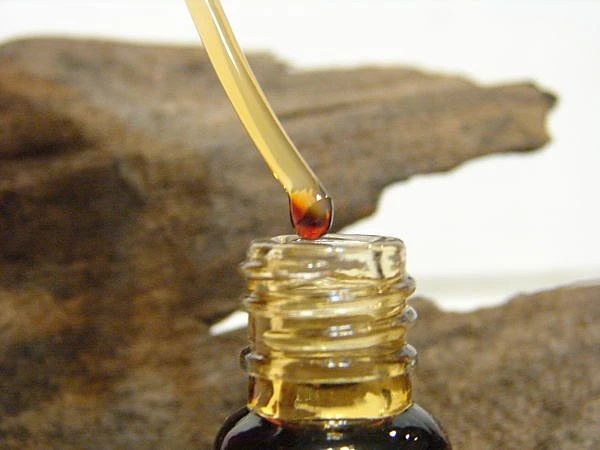
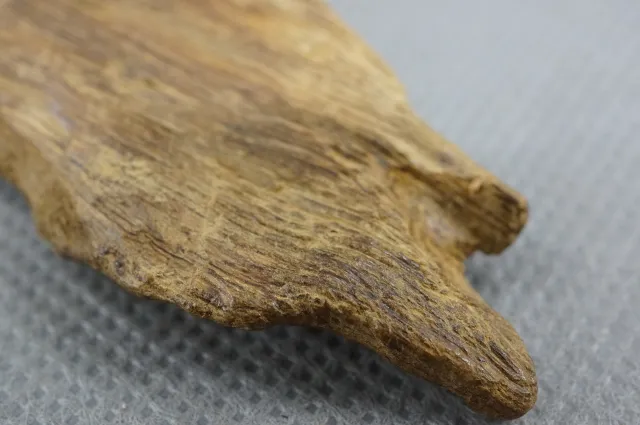
Early incense used agarwood and sandalwood as raw materials—these materials take over a hundred years to mature! This is because the raw materials need to be sufficiently mature, and importantly, the oils from the Thymelaeaceae family are crucial.
Furthermore, manufacturers can save on incense material costs, because natural sandalwood and agarwood are the truly precious materials!!!
If the incense market is full of such materials, it's no wonder that incense burns poorly... Poor air quality anddiscomfort are
common occurrences and not surprising.
To my knowledge, many incense manufacturers uphold traditional ethics, quietly producing and distributing high-quality incense, but they don't know how to explain
or resist this scourge. However, not all incense is toxic.
Early incense used agarwood and sandalwood as raw materials—these materials take over a hundred years to mature! This is because the raw materials need to be sufficiently mature, and importantly, the oils from the Thymelaeaceae family are crucial.
These oils, besides having calming, soothing, and medicinal properties, also play a role in promoting mental clarity and tranquility. In addition, when incense is burned,
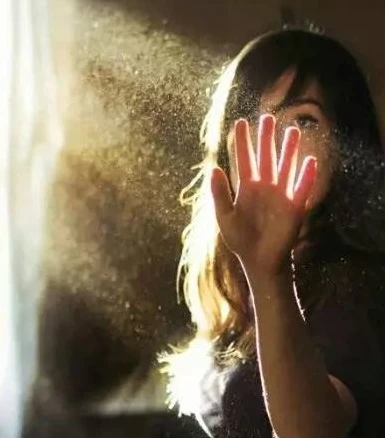
the smoke carries invisible dust particles as it disperses with the airflow in the room. These particles mostly hit the ceiling or walls,
causing the incense to appear yellowish-brown. This is especially noticeable in lower-rise buildings or homes near roads!
the smoke carries invisible dust particles as it disperses with the airflow in the room. These particles mostly hit the ceiling or walls,
causing the incense to appear yellowish-brown. This is especially noticeable in lower-rise buildings or homes near roads!
Furthermore, quality is more important than quantity when it comes to incense. A small amount of good incense fills the room with fragrance. This applies to burning incense in the morning and evening. Combined with good air circulation, this helps prevent home decor from yellowing.
I believe that those who appreciate incense would never want to remove that precious, pleasant scent from their homes!
Thank you! ^^
I believe that those who appreciate incense would never want to remove that precious, pleasant scent from their homes!
Thank you! ^^
相關文章
 發信給店家
發信給店家 聯絡店家
聯絡店家 加入店家line好友