Does burning agarwood at night attract negative energy?
Will burning agarwood at night attract ghosts? I
often get asked this question by netizens and agarwood enthusiasts, so I'll explain it from a theoretical and religious perspective.
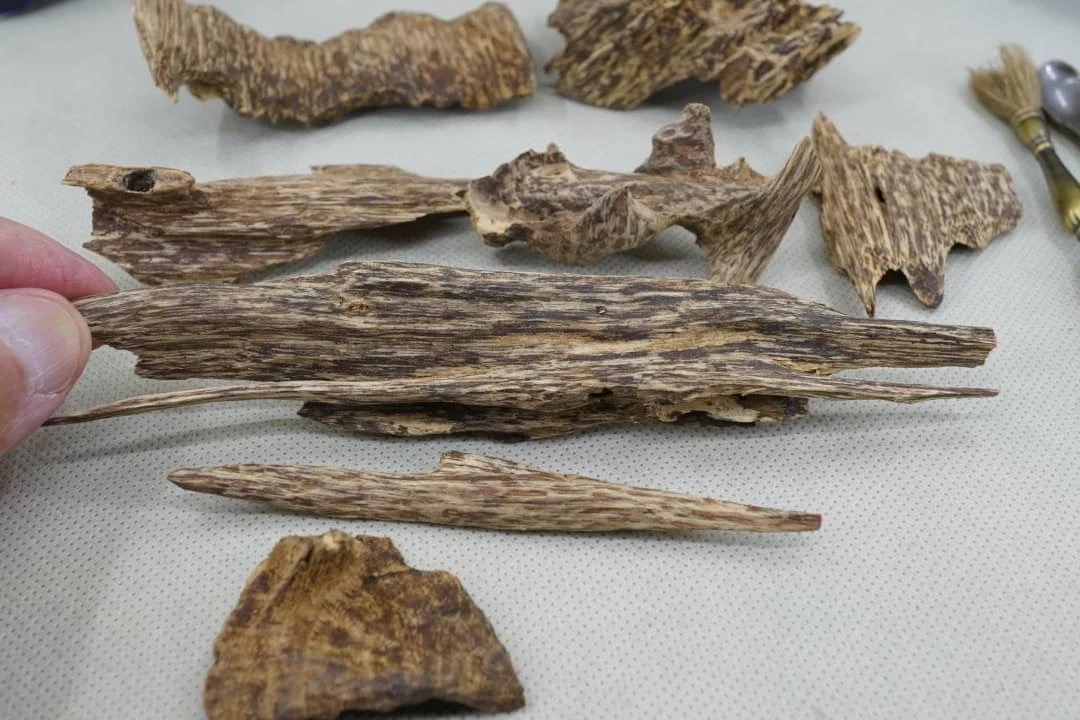
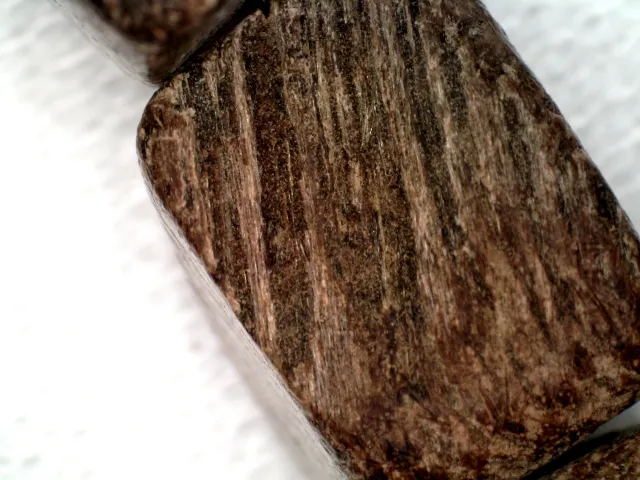
First, do you know what agarwood is? (The following refers to wild agarwood, not artificially cultivated, injected, or grafted agarwood.)
Agarwood belongs to the Thymelaeaceae family. This unique tree species, due to natural disasters, insect damage, animal scratches, etc., causes the tree to secrete agarwood resin (pre-fragrance) to protect the wound from worsening, similar to the scab formation of human wounds.
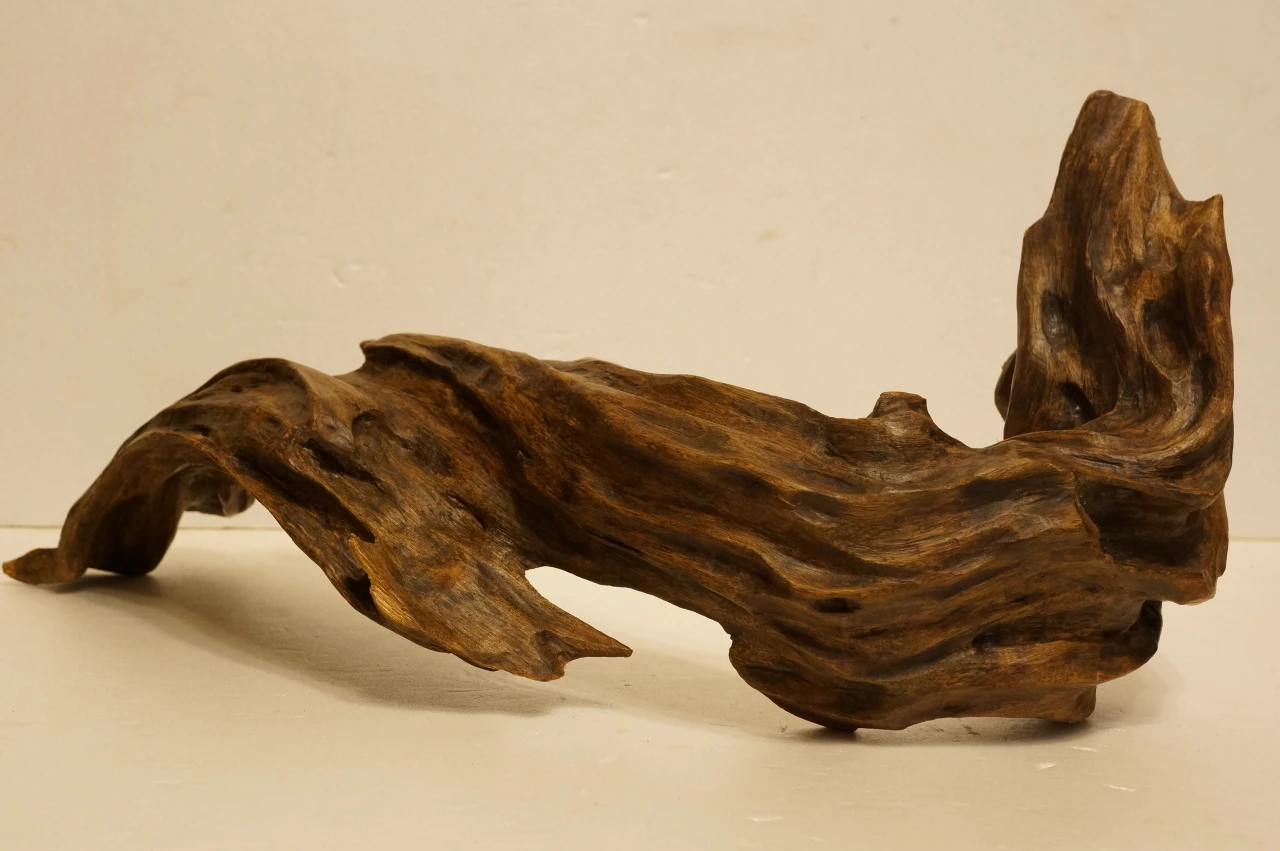
After the tree dies, the agarwood (pre-fragrance) forms a symbiotic relationship with bacteria and minerals in the soil, taking hundreds to thousands of years to become the wild agarwood we know today!
What are the pharmacological benefits of agarwood? [Properties and Channels Entered] Pungent, slightly warm, non-toxic. Enters the spleen, stomach, and kidney channels. [Efficacy] It lowers qi and stops vomiting. It warms the kidneys and promotes qi circulation. It also relieves pain. Medical books also describe it as warming and nourishing the five internal organs and six bowels, calming the mind and stabilizing the spirit, relieving stress and aiding sleep, etc. Many other benefits of agarwood are described in the Compendium of Materia Medica and other medical books, which will not be elaborated here. In terms of religion and folklore, in Buddhism, the six senses—eye, ear, nose, tongue, body, and mind—correspond to the six sense objects: form, sound, smell, taste, touch, and dharma. The nose corresponds to the sense object of smell. The Fragrant Adornment Boy in the Surangama Sutra attained Arhatship by smelling agarwood and observing the impermanence of its fragrance. Furthermore, Sundhara Nanda also attained Arhatship through the nose. The Buddha prophesied that he would attain unsurpassed enlightenment in the future. He inquired of his monks about the use of agarwood . The monks replied: "When incense (agarwood, sandalwood...natural materials) is lit, dragons, guardian deities, and benevolent spirits will come to inspect, adding positive energy to the home! Perfume and essential oils attract demons and monsters. They like those smells! Furthermore, karmic retribution is irreversible; those without affinity will not be recognized, and those with affinity will be protected by even the strongest walls. Burning agarwood will not affect whether you attract or not." (Catholicism and Christianity) Agarwood is one of the three treasures brought to the world by the three prophets before Christ's birth. Taoism : In exorcising demons and evil spirits, agarwood is burned throughout the day, symbolizing harmony between heaven and earth. The abundant energy is called "氤氳繚繞" (yǐn yǐn liǎo rāo).
In Islam,
applying agarwood oil during important celebrations signifies purification.
Besides the agarwood tree's downward-growing roots protecting forests, agarwood repels insects without killing them, representing harmony.
Large pieces of agarwood are also used as feng shui ornaments for warding off evil spirits.
Therefore, considering its pharmacological properties and various religious contexts,
agarwood and agarwood prayer beads are sacred objects and beneficial to health. Don't be misled by misconceptions.


 MENU
MENU

 What are the pharmacological benefits of agarwood? [Properties and Channels Entered] Pungent, slightly warm, non-toxic. Enters the spleen, stomach, and kidney channels. [Efficacy] It lowers qi and stops vomiting. It warms the kidneys and promotes qi circulation. It also relieves pain. Medical books also describe it as warming and nourishing the five internal organs and six bowels, calming the mind and stabilizing the spirit, relieving stress and aiding sleep, etc. Many other benefits of agarwood are described in the Compendium of Materia Medica and other medical books, which will not be elaborated here. In terms of religion and folklore, in Buddhism, the six senses—eye, ear, nose, tongue, body, and mind—correspond to the six sense objects: form, sound, smell, taste, touch, and dharma. The nose corresponds to the sense object of smell. The Fragrant Adornment Boy in the Surangama Sutra attained Arhatship by smelling agarwood and observing the impermanence of its fragrance. Furthermore, Sundhara Nanda also attained Arhatship through the nose. The Buddha prophesied that he would attain unsurpassed enlightenment in the future. He inquired of his monks about the use of agarwood . The monks replied: "When incense (agarwood, sandalwood...natural materials) is lit, dragons, guardian deities, and benevolent spirits will come to inspect, adding positive energy to the home! Perfume and essential oils attract demons and monsters. They like those smells! Furthermore, karmic retribution is irreversible; those without affinity will not be recognized, and those with affinity will be protected by even the strongest walls. Burning agarwood will not affect whether you attract or not." (Catholicism and Christianity) Agarwood is one of the three treasures brought to the world by the three prophets before Christ's birth. Taoism : In exorcising demons and evil spirits, agarwood is burned throughout the day, symbolizing harmony between heaven and earth. The abundant energy is called "氤氳繚繞" (yǐn yǐn liǎo rāo).



 發信給店家
發信給店家 聯絡店家
聯絡店家 加入店家line好友