


 MENU
MENU
NEWS

How to choose wild agarwood prayer beads (bracelets)??? See here.
The agarwood market is flooded with artificial agarwood beads and prayer beads. They're simply soaked in oil and polished black, making them look remarkably like the mineralized thousand-year-old agarwood prayer beads in my shop.
They're cheap, have a strong, unfiltered aroma... leading many agarwood enthusiasts to be deceived!
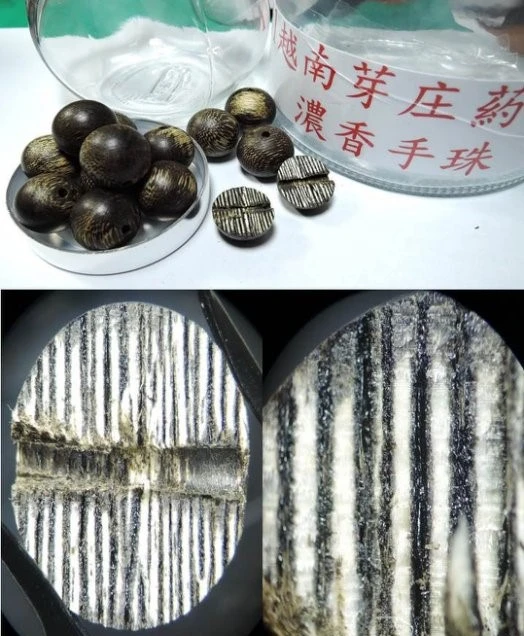
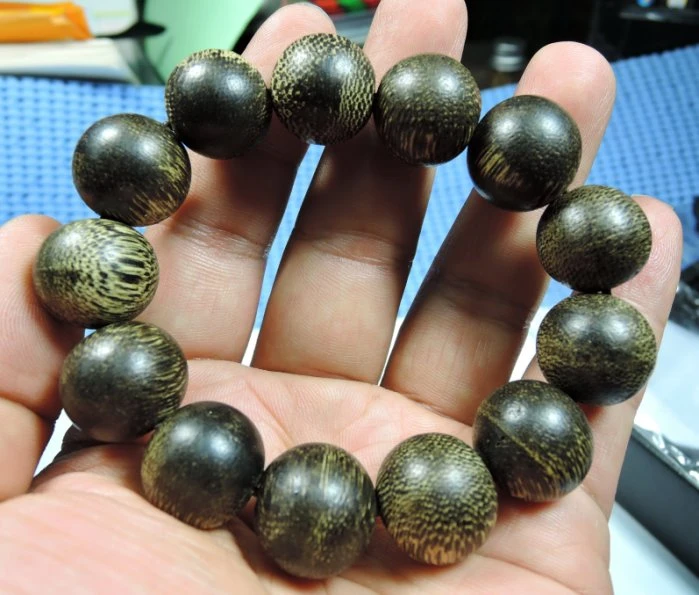
Oil-soaked or compressed agarwood beads are rampant in the market.
Friends often ask how to choose agarwood without making a mistake or buying a fake.
So, I've compiled some tips...
1. Wild agarwood matures for hundreds to thousands of years, and the cost of the raw agarwood used to make beads is very high!
The cost of the wood chips and beads is always included in the price of the beads. Therefore, beads with longer mineralization periods are more expensive!
Simply put, they are deep red or black, with disordered patterns in the black. The oil content of agarwood varies; too high or too low indicates it's mixed with other woods!
When a seller tells you they import a lot of agarwood from Vietnam at very low prices, be wary. This is because of
the CITES (Convention on International Trade in Endangered Species of Wild Fauna and Flora) agreement. The conservation ban on agarwood has not been lifted. Most of the agarwood that can be freely imported and exported is cultivated agarwood!
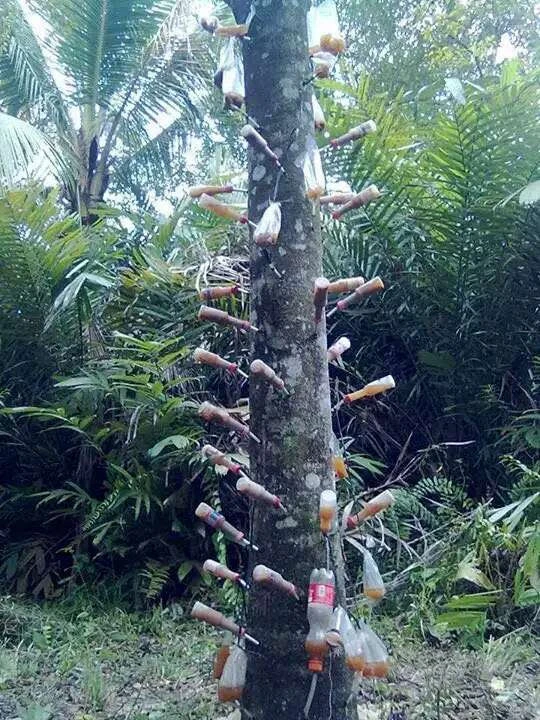
Cultivated agarwood is vastly different from wild agarwood!
The sourness and weak aroma of cultivated agarwood are incomparable to those of wild agarwood.
This explains why there are no cheap beads. Do not buy beads that are too heavy or too light!
2. Examine the entire agarwood bead (bracelet). Be wary if the beads have identical or nearly identical patterns.
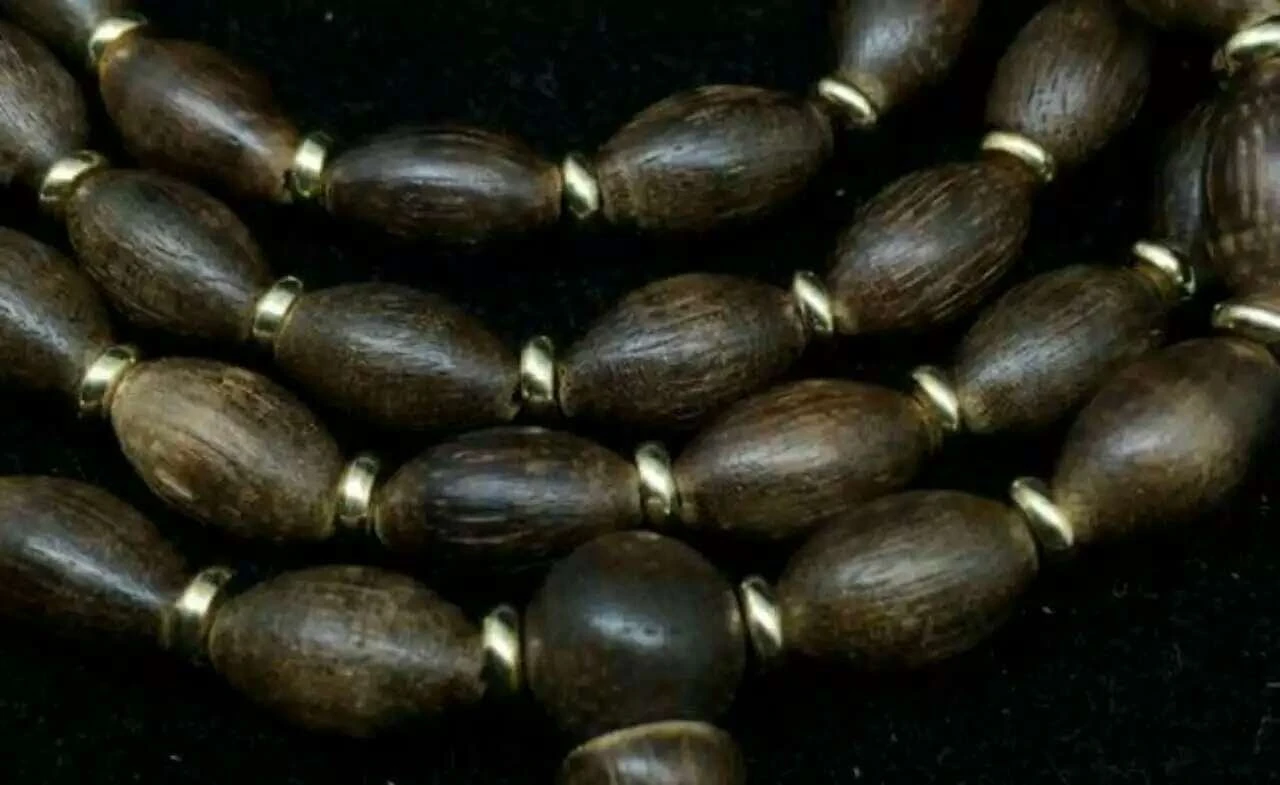
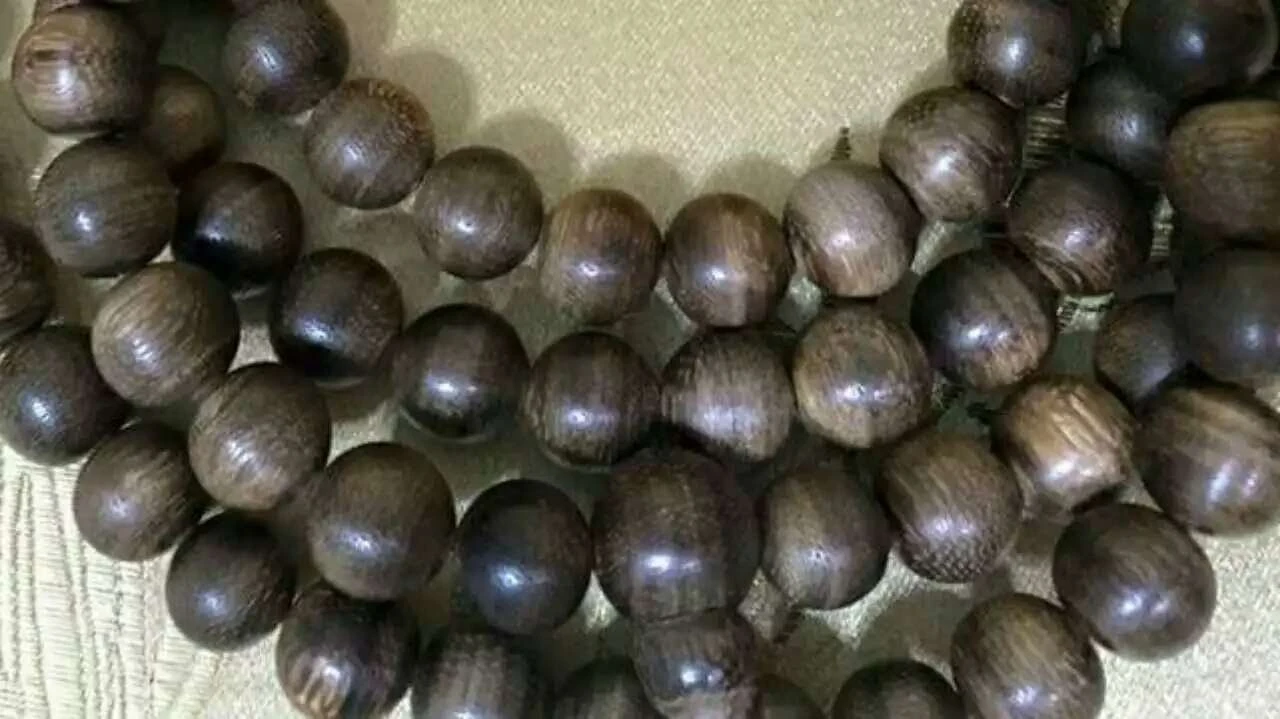
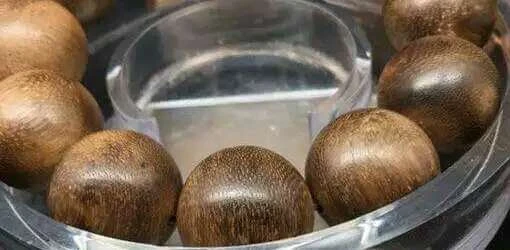
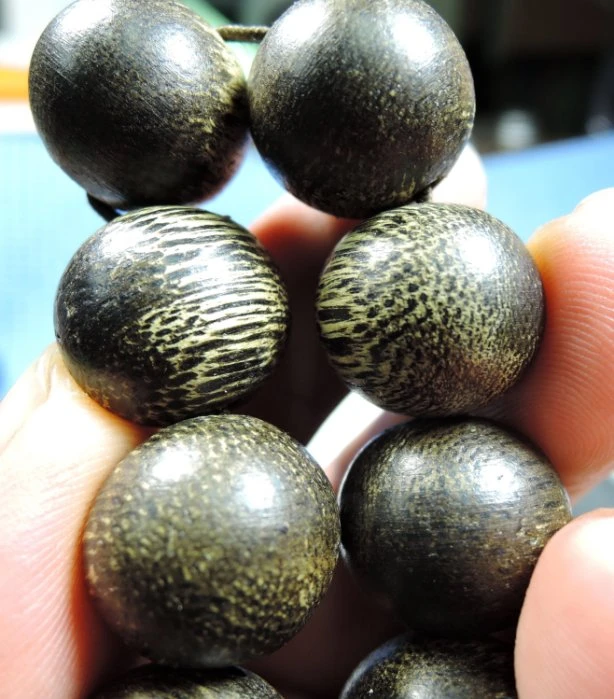
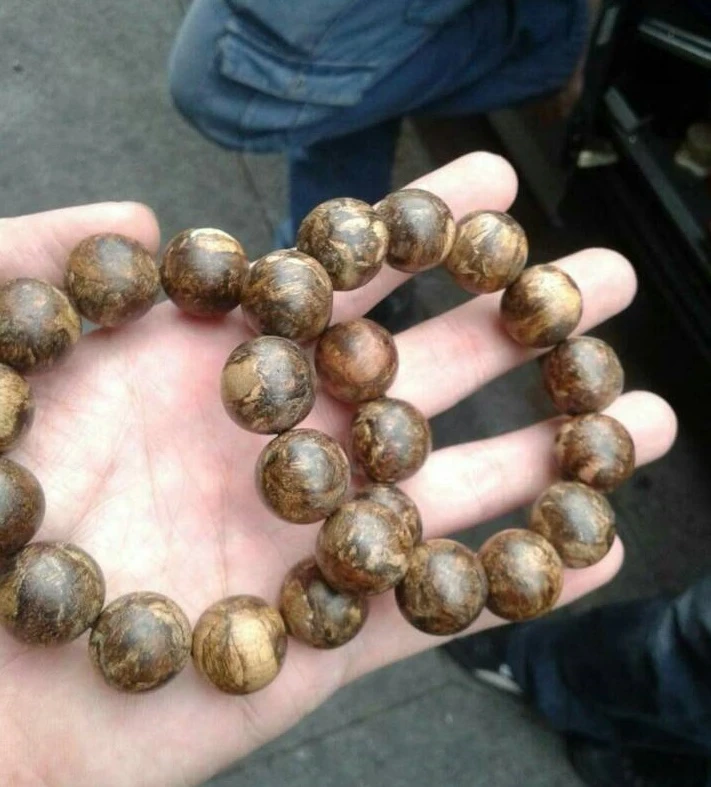
These are all signs of fake agarwood bracelets, and their common characteristic is that the patterns are almost identical for every bead.
In reality, when cutting agarwood logs, different parts are hollowed out to achieve the desired thickness. These are cut into quadrilaterals and then machined into round beads. Because
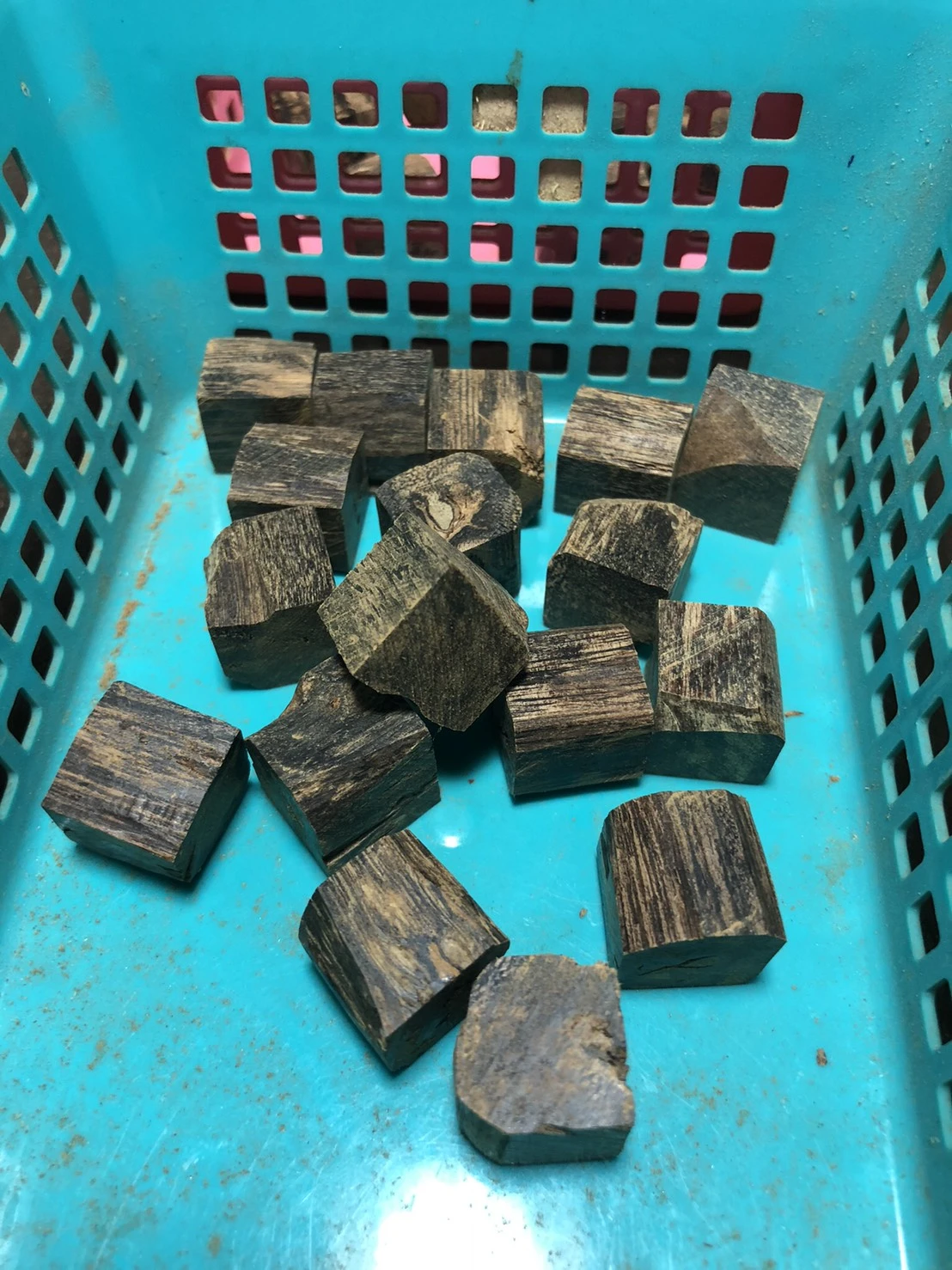
the material is selected for the specific size and thickness required before cutting,
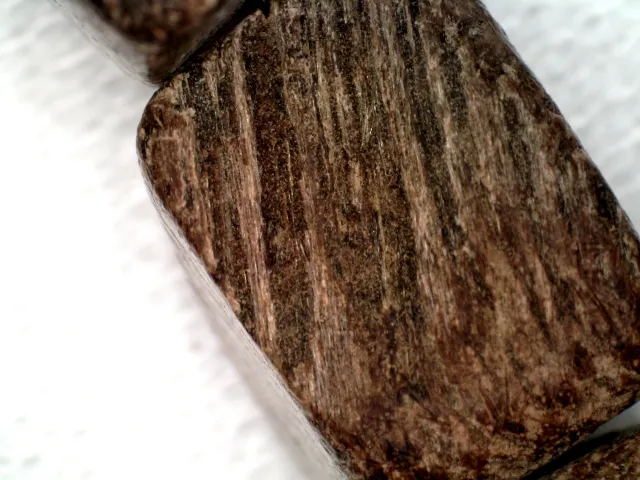
the oil patterns of each round agarwood bead will be slightly different, as clearly shown in the image above.
Therefore, to avoid buying fakes, pay close attention to the characteristics of the agarwood bead's pattern. (The last sentence is a fragment and doesn't translate directly.)
3. Ask the shopkeeper if they have
any leftover pieces from making agarwood prayer beads. Besides being used to maintain the beads and enhance their fragrance, these pieces
are also very useful for verifying the authenticity of the aroma.
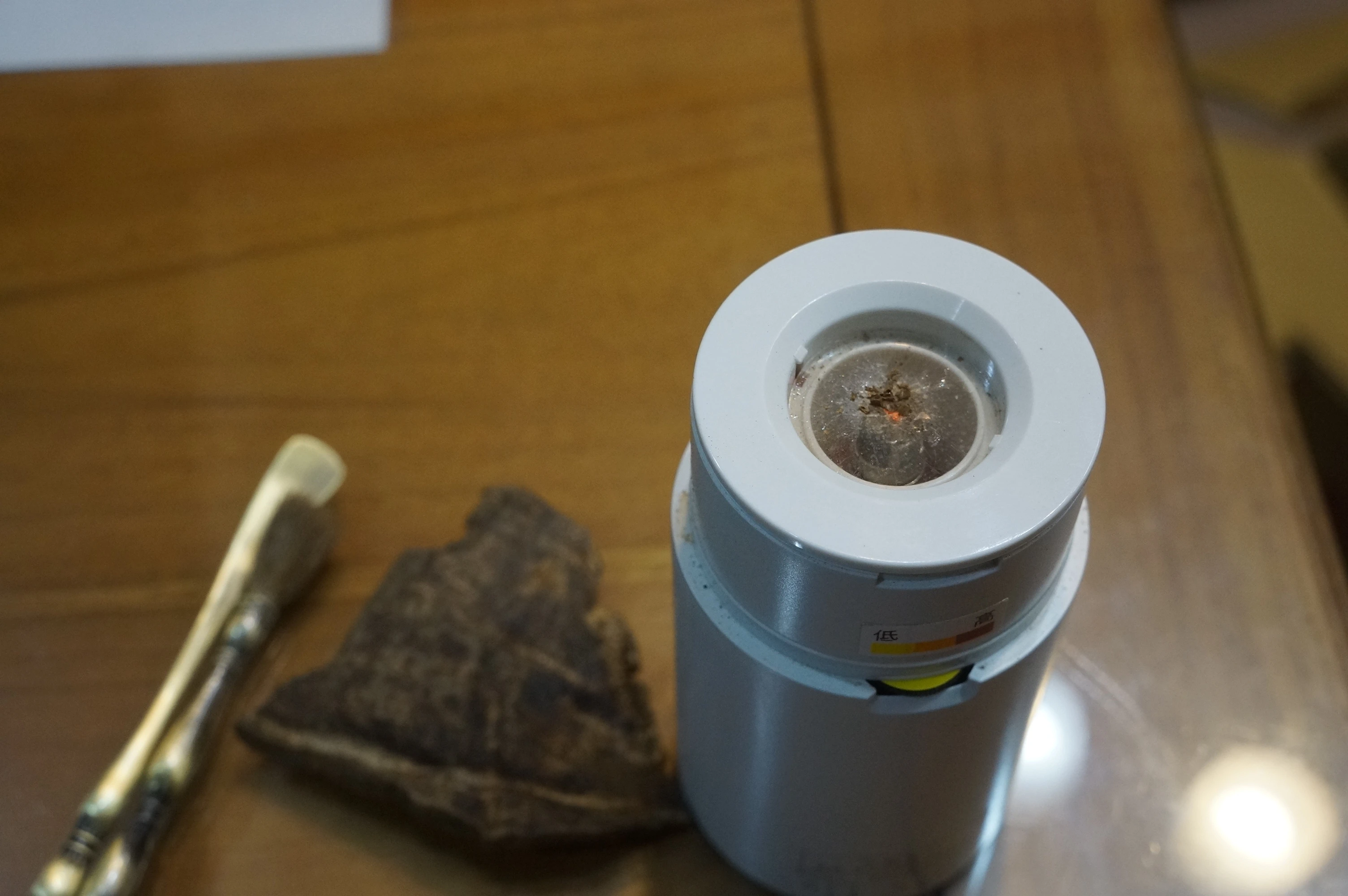
When identifying agarwood prayer beads, we can't, and shouldn't, burn them to smell the fragrance...right?
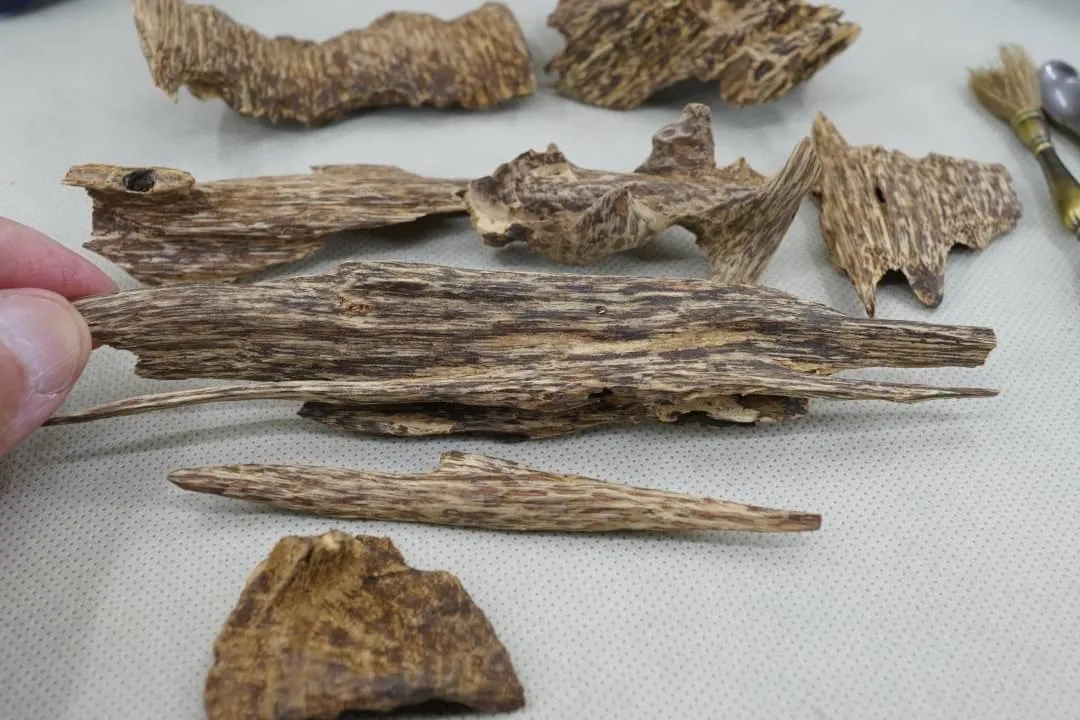
If they have leftover pieces, you can use them.
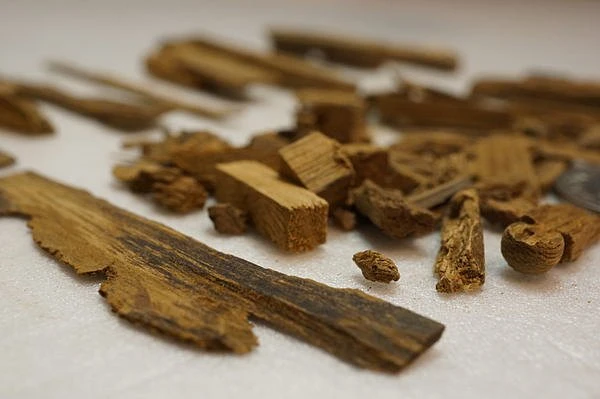
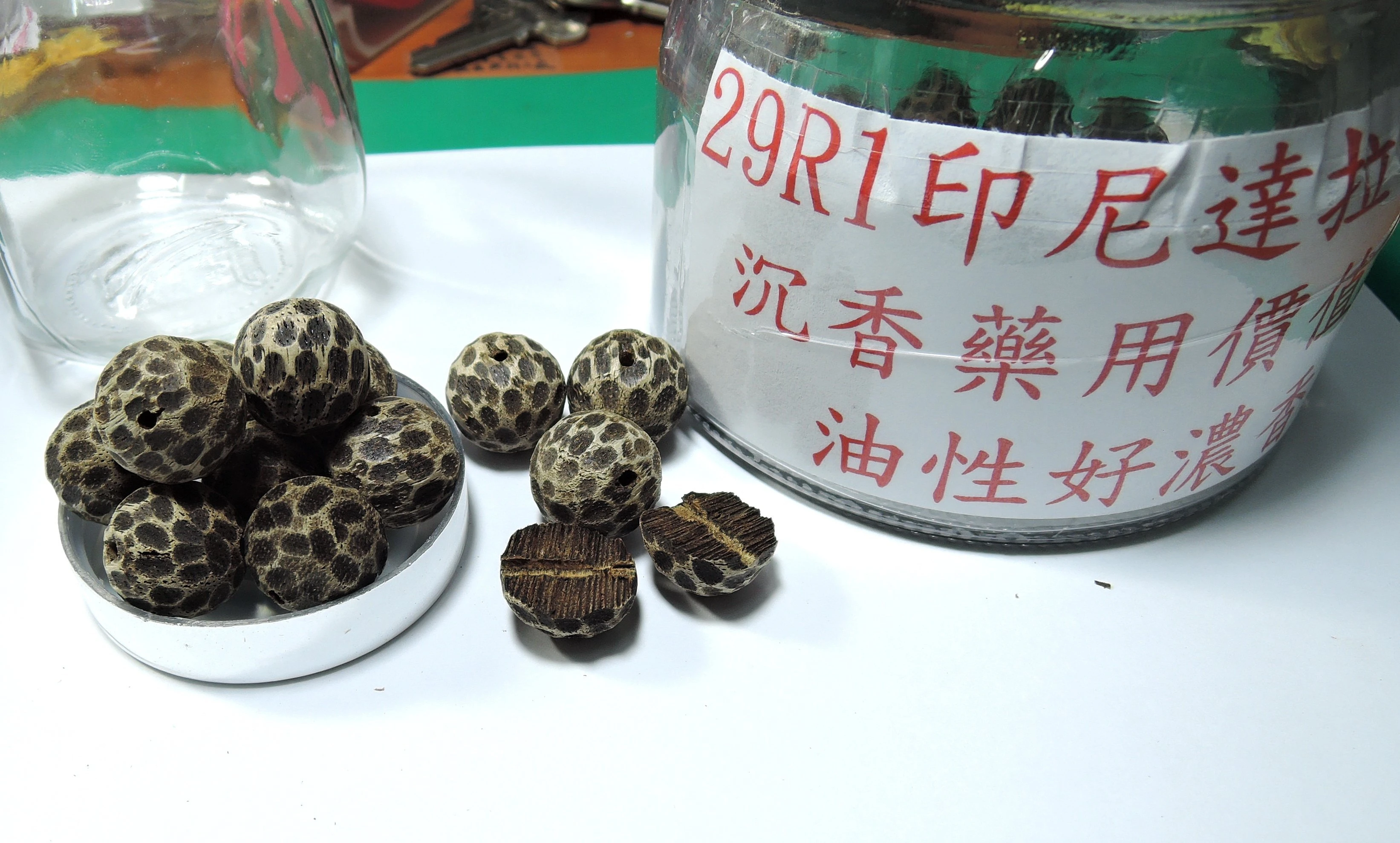
These includeleftover pieces from the ancient mineralized Tarakan in Indonesia and
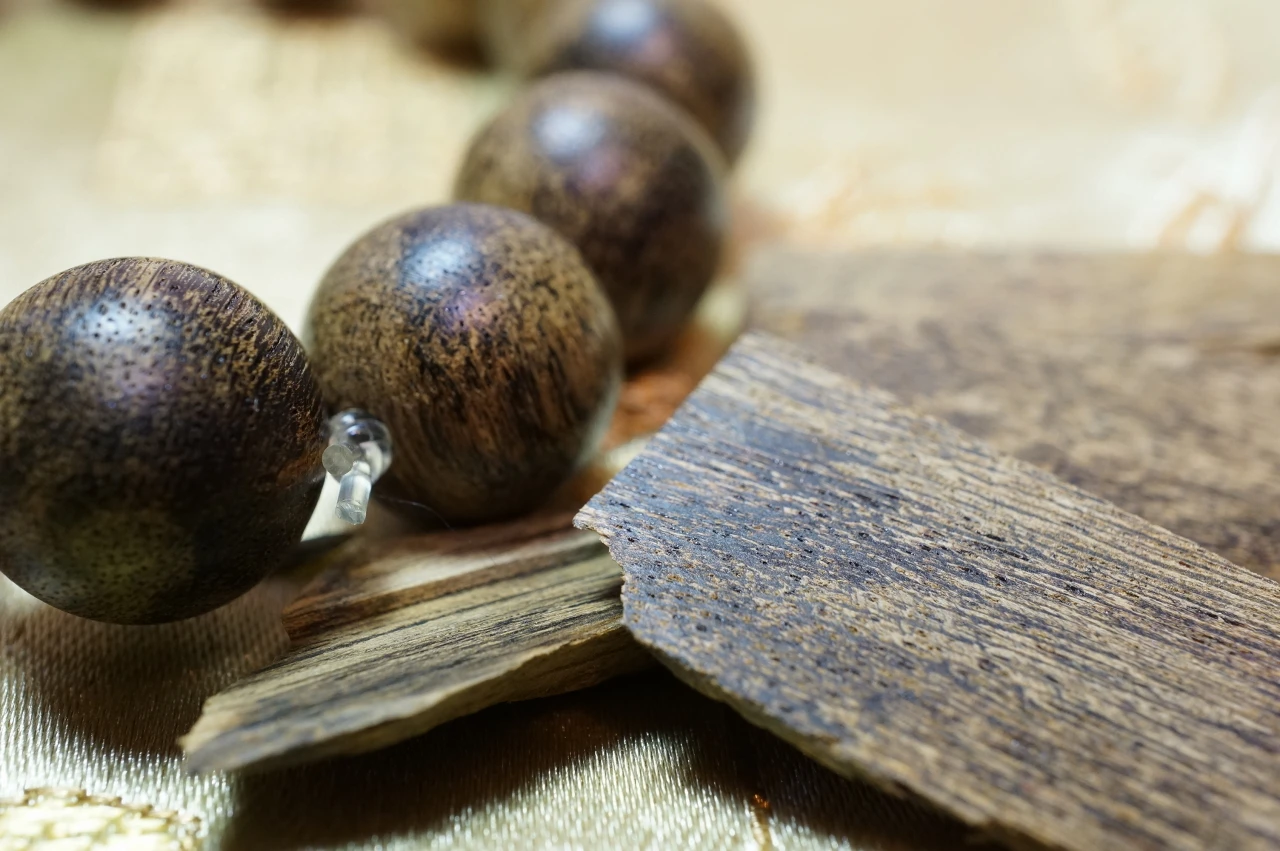
from the uniquely flavored agarwood in Brunei.
However, I cannot guarantee that the leftover pieces included with agarwood purchased from the market are actually cut from the beads themselves!
Incorrect agarwood pieces will certainly cause misunderstandings during identification...
4. Understanding the aroma of agarwood from different producing regions is also important.
Having aroma identification skills provides an extra layer of assurance when purchasing agarwood bracelets.
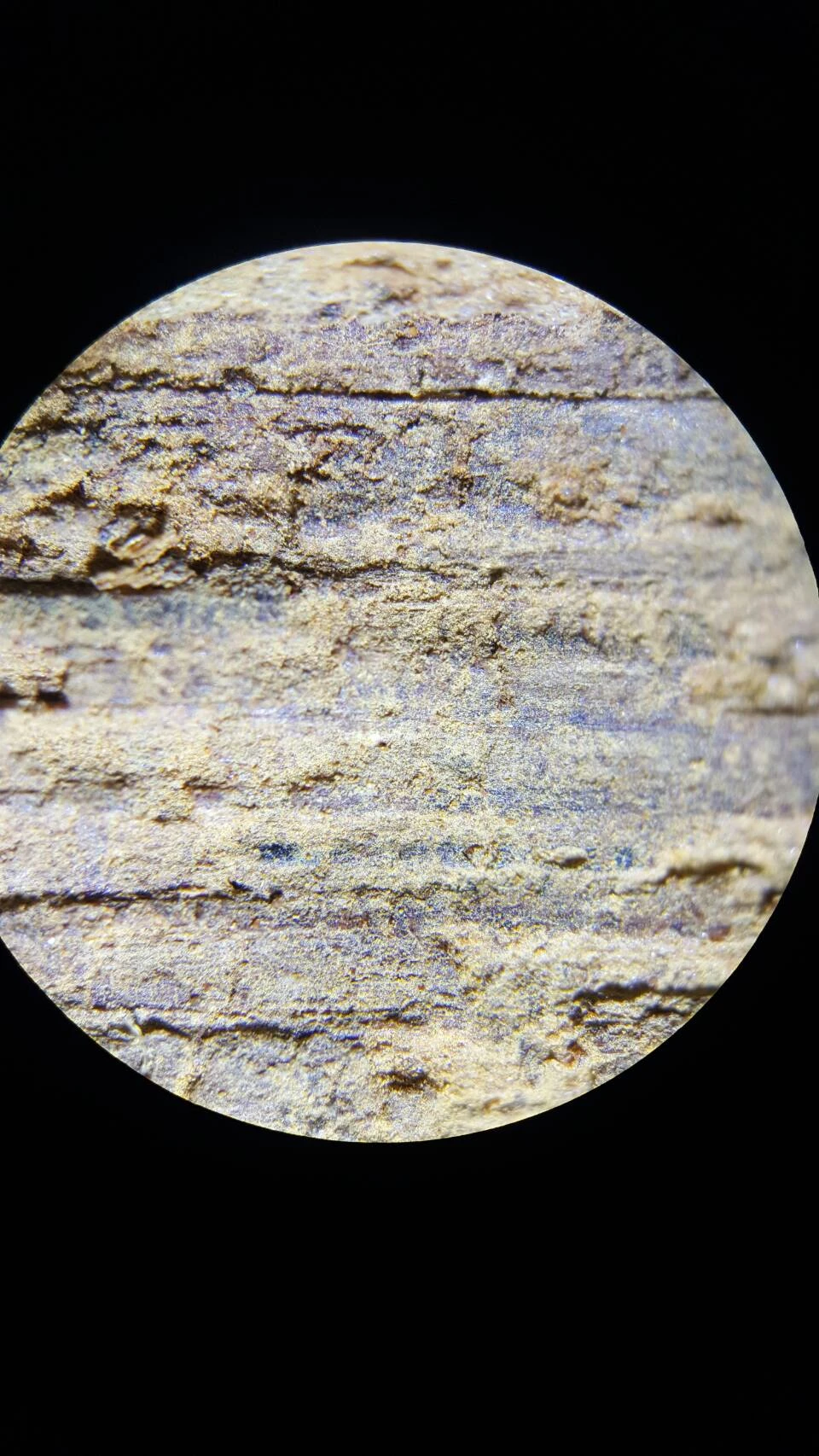
Microscopic images of green Kyara (a type of agarwood)
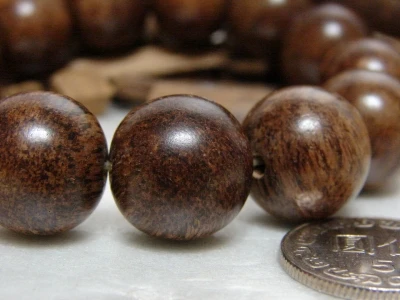
and Jayapura beads are available.
Agarwood from different producing regions has different aromas: Tarakan, Jayapura, Papua, Nha Trang, Hoi An, Brunei, Kyara...
The aroma varies greatly depending on the age of the agarwood. (The fiber structure also differs depending on the age of maturity.) Hong Kong agarwood experts believe that you should first identify whether the agarwood bracelets sold in the market match the stated producing region, and whether the aroma from the correct region is correct. (Imagine the transitions in aroma, depth, and intensity. ) 5. If you don't want this trouble, it's best to buy from a reputable store for assurance. Authenticity, professionalism, and service are all interconnected. I'm also a consumer of other goods, and I also have the mentality of buying cheap, but in the end, I always end up buying inferior goods. It's not that I didn't do my research beforehand, but rather that the flaws are hidden inside the product, which are really hard to see from the outside... But professional people can listen to the sound and identify flawed products at a glance!!! I have agarwood beads circulating in my store, but many agarwood enthusiasts want me to identify them or even sell them to them that they want me to identify. Usually, I say: I don't understand. And I'm not a notary public. For those who want to circulate them to me, I usually say: I already have my own beads, so I don't need them. Thank you! I've been in the agarwood industry for almost fifty years, and it's still very difficult to understand . Wishing everyone good fortune and that you can find the agarwood beads you love...


 發信給店家
發信給店家 聯絡店家
聯絡店家 加入店家line好友