


 MENU
MENU
NEWS

The Ten Virtues of Fragrance
The Ten Virtues of Fragrance
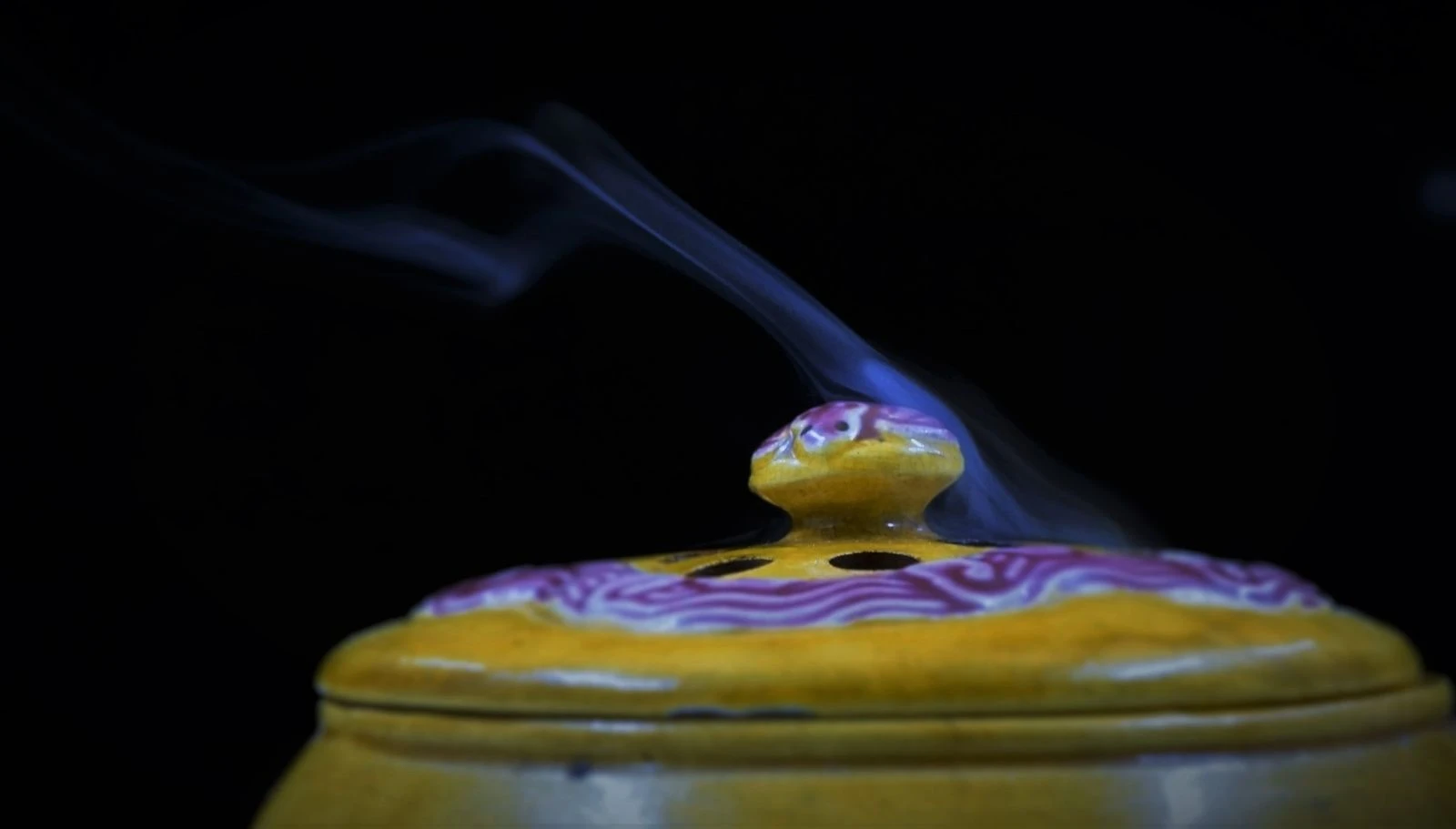
The ten virtues of incense, as described by the Northern Song Dynasty poet Huang Tingjian, are: "It moves spirits and deities, purifies body and mind, dispels impurities,
awakens from sleep, becomes a friend in stillness, provides a moment of leisure amidst the dust, is never tiresome in abundance, is sufficient in scarcity, endures long storage, and
is always usable."
The benefits of incense in daily life have been clearly explained by the ancients!
1. Good incense, when lit, has a far-reaching and lingering fragrance that reaches the heavens and spreads in all directions. Therefore, incense is called "faith incense,"
used to convey thoughts and intentions, for prayers, offerings, charity, etc.
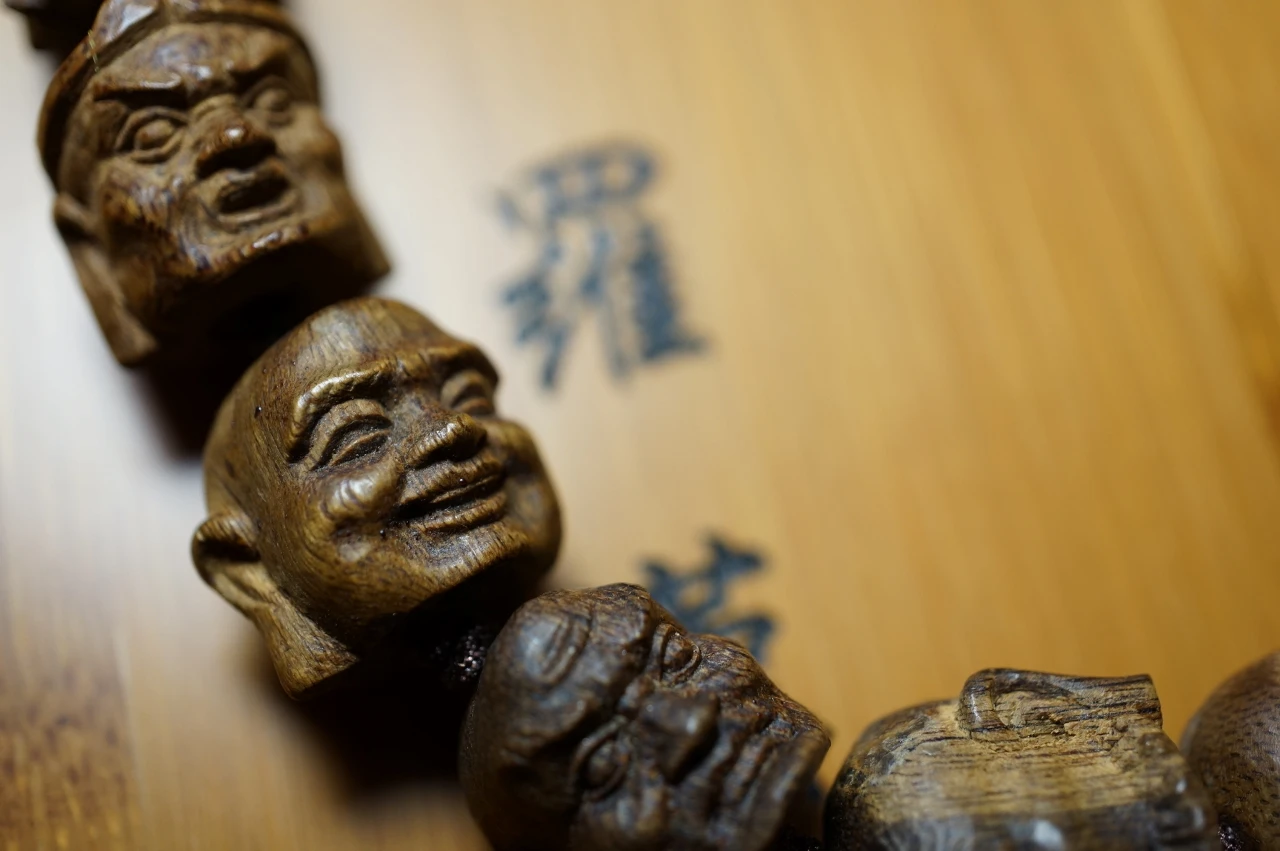
2. Burning incense at home brings a soothing, sweet fragrance; sometimes, walking down the street, a sweet
aroma suddenly wafts by; sometimes, while offering incense at famous mountains and ancient temples, the lingering fragrance brings a sense of peace and tranquility; the mind and body are enveloped in this
fragrance. For a moment...it's beautiful—like a work of art, making one stop and savor the moment!
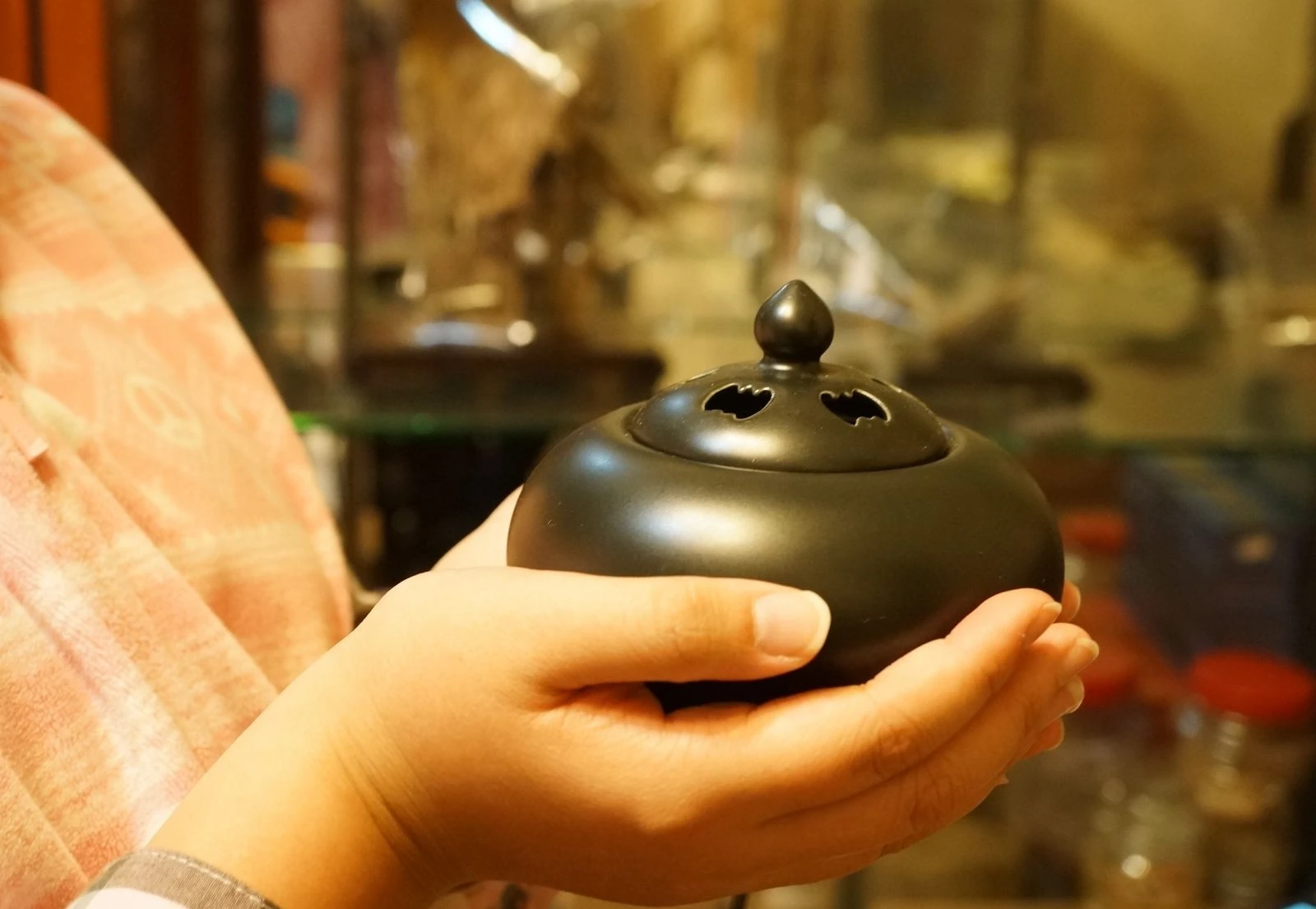
3. Besides calming the mind, soothing the spirit, and aiding in the absorption of medicinal energy, the oils in incense also have a yellowish-brown hue. When incense is burned,
the smoke, carried by the airflow, carries invisible dust particles , which are
mostly on the ceiling or walls. This is especially noticeable in low-rise buildings or
houses , as it helps to remove dust and grime.
Medical research also shows that the oils in agarwood and sandalwood have antibacterial properties.
In ancient times, during epidemics, burning agarwood and sandalwood logs was used to combat the plague.

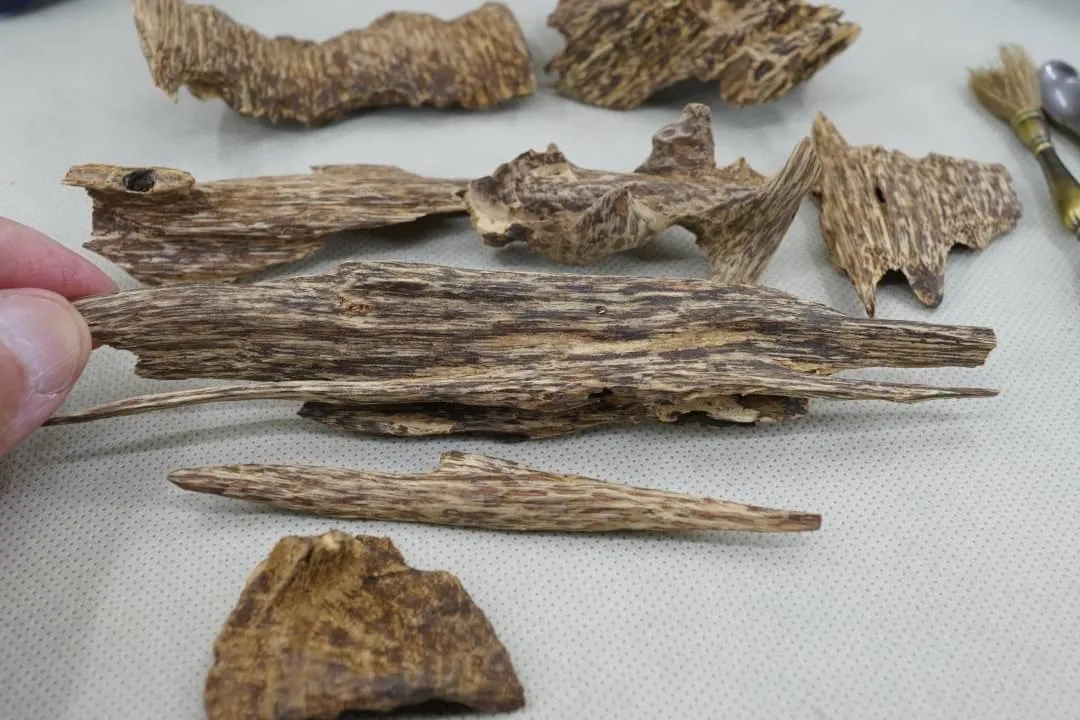
4. The main ingredients in incense are agarwood, sandalwood, and traditional Chinese medicinal herbs. The Compendium of Materia Medica states that these are non-toxic and mild in nature. Furthermore
, the oils from the Thymelaeaceae family of woods have calming and soothing properties, which can aid sleep. Restlessness and fear prevent sleep.

5. Fragrance contains tranquility, and tranquility contains beauty.
Agarwood has a relatively subtle fragrance—it steadily enhances the aroma of other fragrances. Therefore,
major use it as a fragrance stabilizer. Since its fragrance is subtle, one should be calm when smelling it…
In tranquility, one can perceive the changing aroma of agarwood; a restless mind will not allow it to be appreciated.
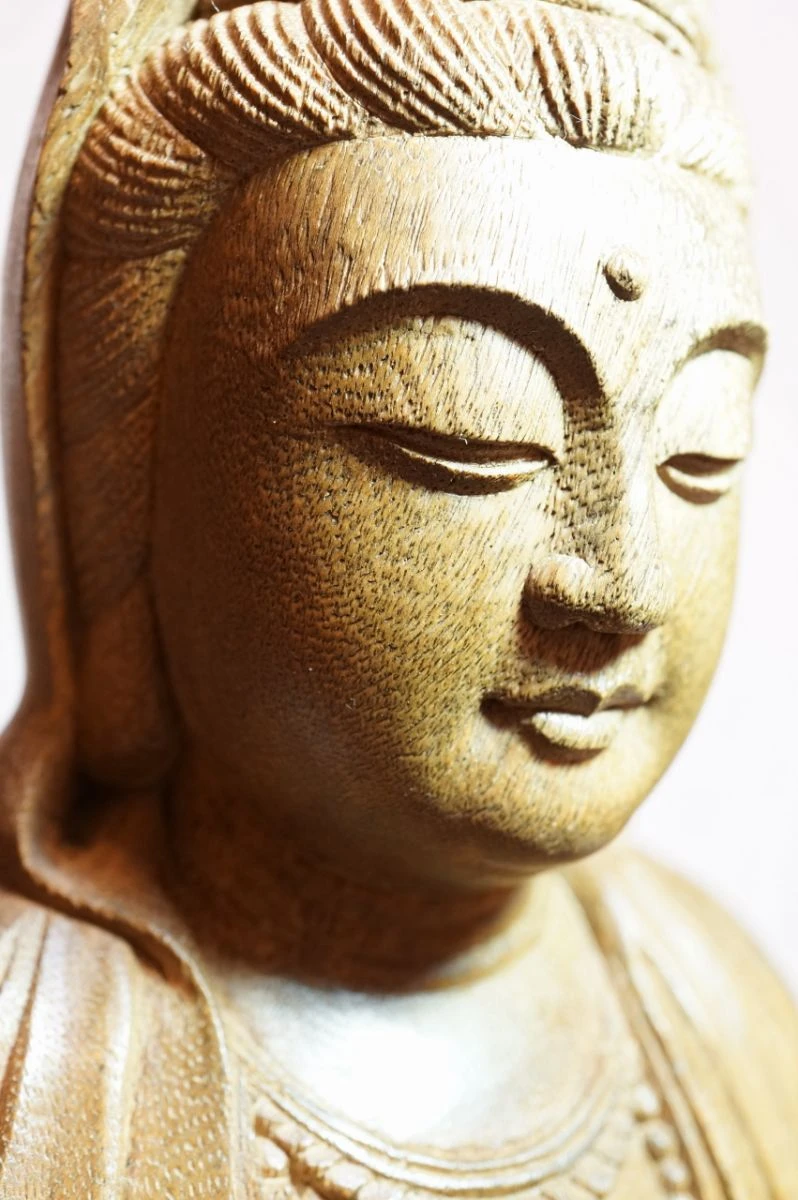
6. The mundane affairs of the world are as chaotic as hemp, as tangled as a knot. In a life of tense thoughts, find a way to empty your mind—
that is, appreciate fragrance.
As Su Shi of the Northern Song Dynasty aptly put it…
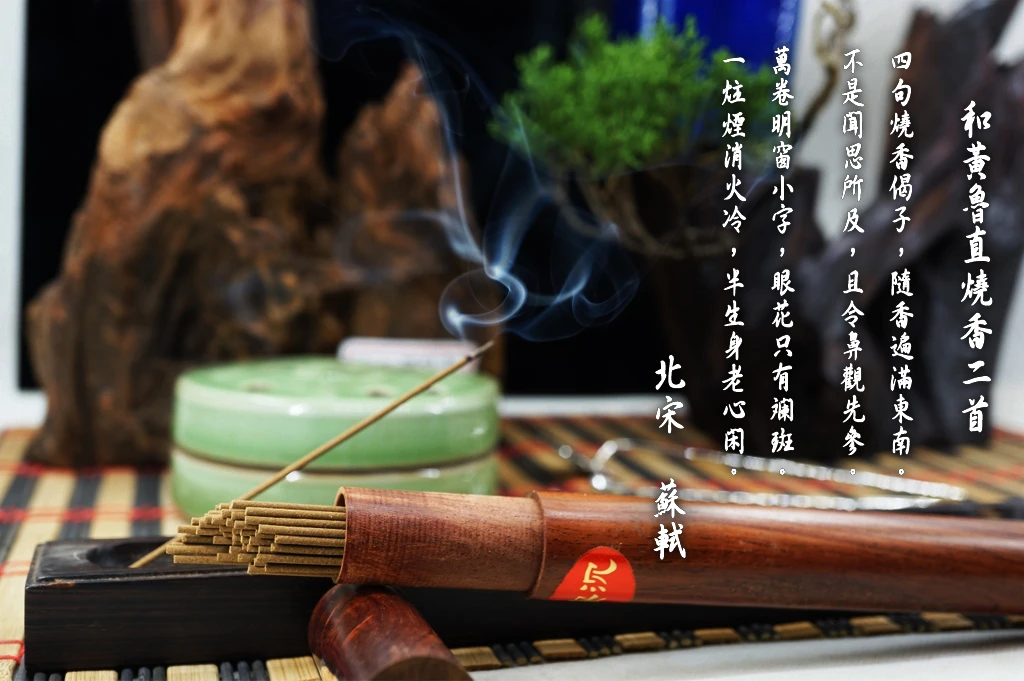
7. Good incense, even when burned in large quantities, does not a chaotic or mixed aroma. Instead, it possesses a continuous sense of flow and strong diffusion
. In the Tang Dynasty, there were gatherings of literati and scholars for incense competitions, where they appreciated, enjoyed, and exchanged incense-making techniques. The content of these competitions generally
focused on the materials used in making incense, the aroma and fragrance of the incense, the gathering and dispersing of the smoke, and the appearance of the incense products. They also
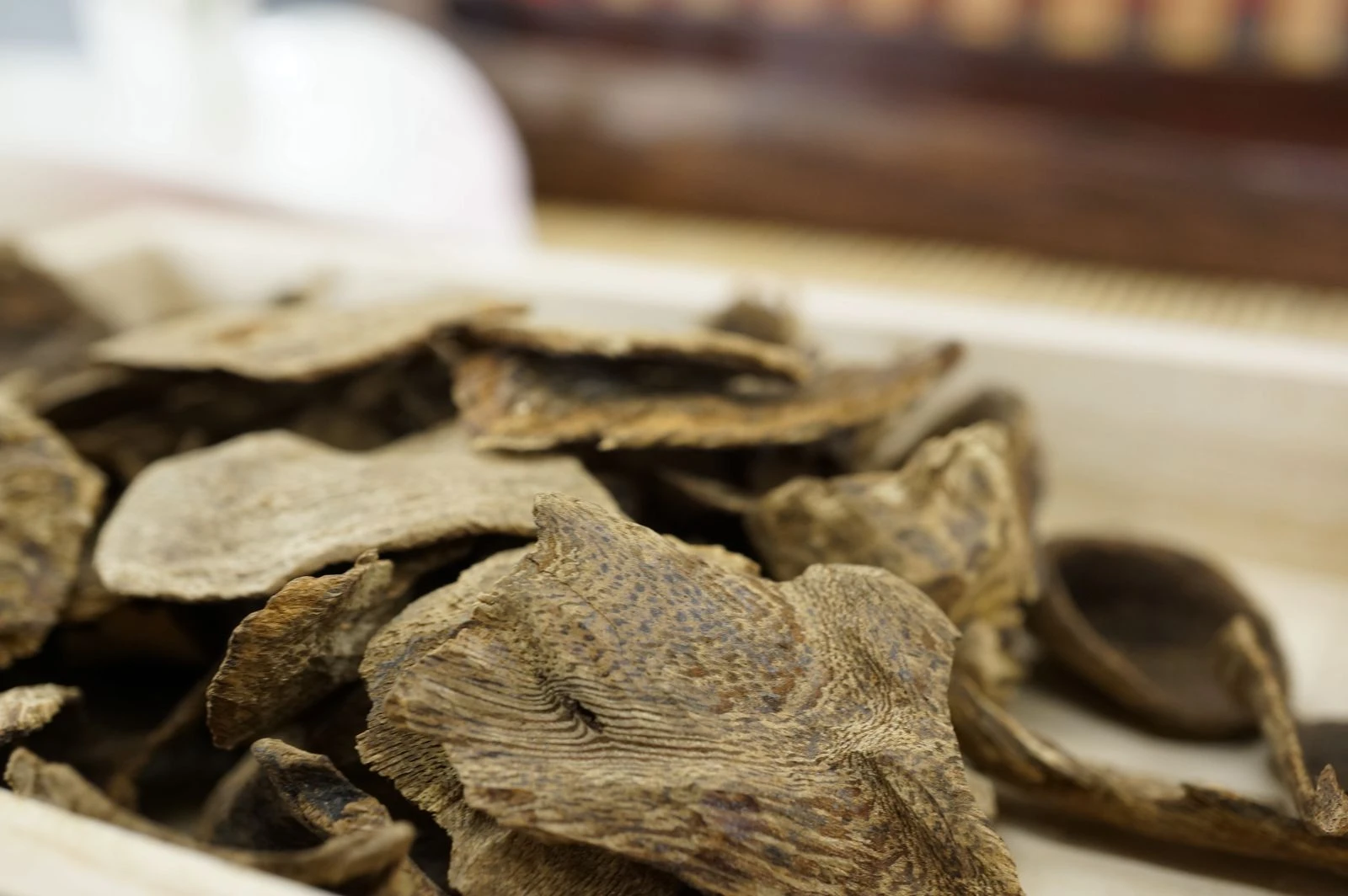
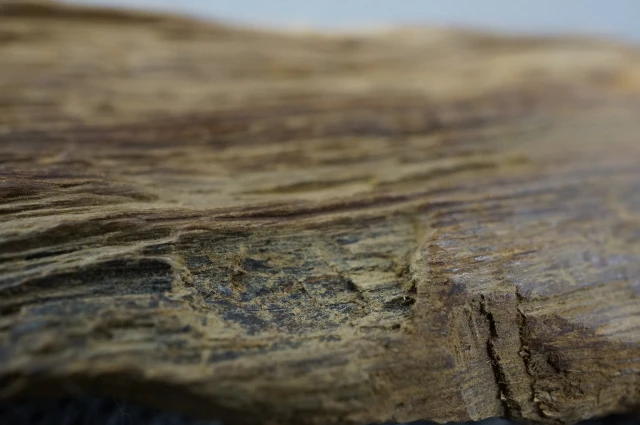
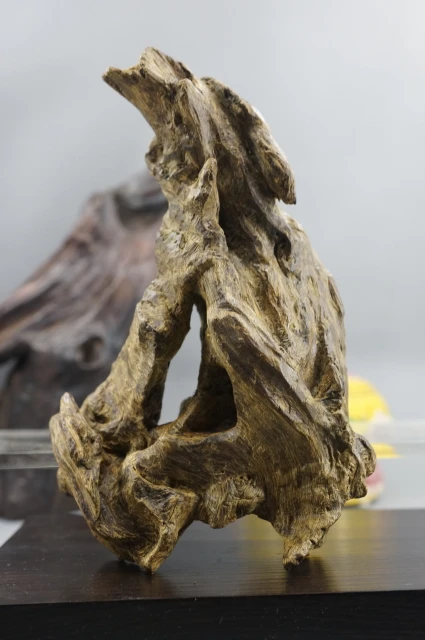
included discussions and exchanges on identifying medicinal herbs, blending incense, incense utensils, impromptu poetry and lyrics, painting, and many other aspects. 8. Agarwood and sandalwood are treasures of nature! Their fragrance transcends the wild and vibrant scents of flowers, herbs , and trees, offering a natural, wafting aroma that is sometimes sweet, sometimes delicately floral or fruity. The aroma varies depending on the burning temperature, the equipment used (charcoal, electric diffuser, heating element), the method of burying the incense, etc., resulting in elegant aromas. The myriad variations in fragrance are enough to appreciate... even a single fragrance can offer endless possibilities. 9. The formation and preciousness of wild agarwood and sandalwood logs are well-documented. Subjected to the harsh environmental tests of nature, through erosion decay, burial, and symbiosis, the resulting resins mature over hundreds to thousands of years , remaining unchanged to this day. 10. The act of burning incense serves various purposes: some are offerings to Buddhas and Bodhisattvas, some are ancestral worship, and some are simply for the enjoyment of its aroma. Regardless of the purpose, the hope is that natural and pure incense will bring fulfillment. However, with advanced technology and improved synthetic techniques, natural incense is gradually being marginalized and replaced by the low-priced market demand. Incense lovers are slowly forgetting what the natural scent is like. How to inherit and perpetuate the ancient culture of incense requires wisdom and perseverance from all sides. Let good incense endure, continuing to cleanse our minds and bodies.
 發信給店家
發信給店家 聯絡店家
聯絡店家 加入店家line好友