


 MENU
MENU
NEWS

Wonderful Uses of Agarwood and Sandalwood
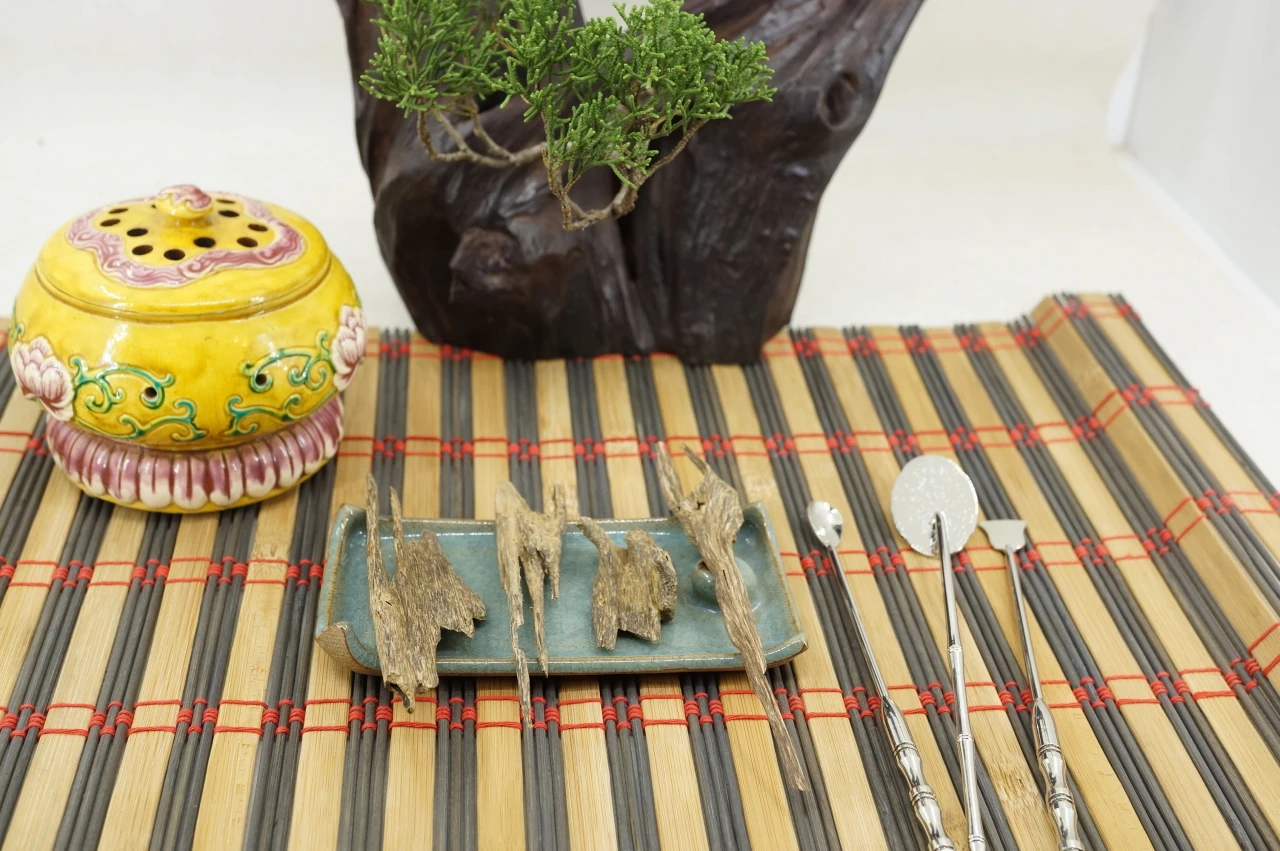
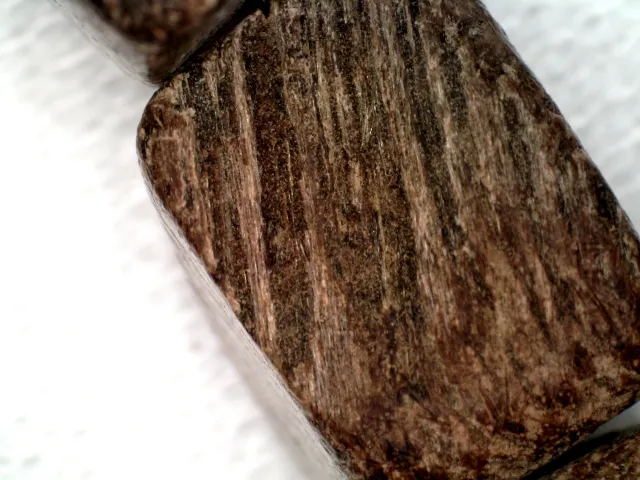
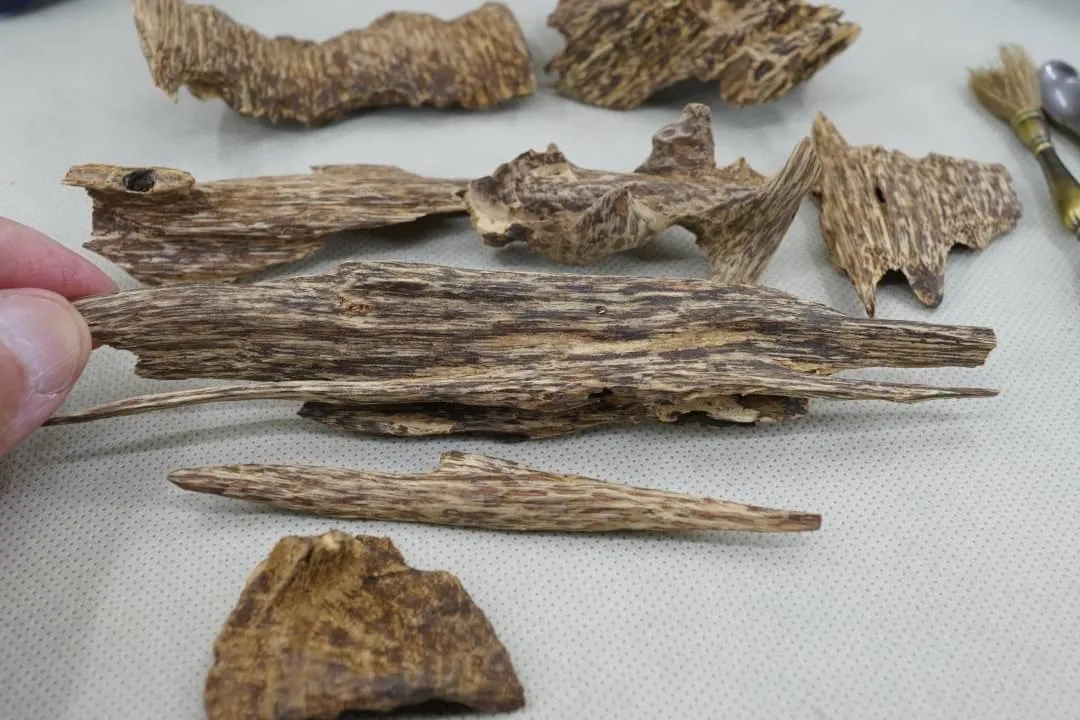
Agarwood sinks in water and has a fragrant aroma. In the "Mingyi Bielu" (Records of Famous Physicians), it is the wood of the evergreen trees Aquilaria agallocha Roxb. and A. sinensis (Lour.) Gilg, containing black resin. It is heavy and sinking, moving without dissipating, with more descending than ascending. It is most suitable for symptoms of qi stagnation and upward reversal. Its effect of descending qi is stronger than that of sandalwood, and its application range is wider.
The herbal text *Tongxuan* states that agarwood is "warm but not drying, flowing without stagnation, supporting the spleen and promoting healthy circulation, reaching the kidneys and guiding fire back to its source. It has the effect of relieving nausea and vomiting without harming qi. Therefore, it is an excellent product for regulating qi."
Medical research indicates
that agarwood is pungent, bitter, and warm in nature, and enters the spleen, stomach, and kidney meridians. Modern components include volatile oil (the main components of which are benzyl acetone and p-methoxybenzyl acetone), terpenoids, and cinnamic acid, etc., which have the functions of promoting qi circulation and relieving pain. It warms the middle jiao and relieves nausea. It has the function of regulating kidney qi, and is mainly used to treat qi stagnation due to cold, chest and abdominal distension and pain, stomach cold with vomiting, hiccups, and kidney qi deficiency. Clinically, it is also used for bronchial asthma with good therapeutic effects.
Sandalwood
The herbal text *Tongxuan* states that agarwood is "warm but not drying, flowing without stagnation, supporting the spleen and promoting healthy circulation, reaching the kidneys and guiding fire back to its source. It has the effect of relieving nausea and vomiting without harming qi. Therefore, it is an excellent product for regulating qi."
Medical research indicates
that agarwood is pungent, bitter, and warm in nature, and enters the spleen, stomach, and kidney meridians. Modern components include volatile oil (the main components of which are benzyl acetone and p-methoxybenzyl acetone), terpenoids, and cinnamic acid, etc., which have the functions of promoting qi circulation and relieving pain. It warms the middle jiao and relieves nausea. It has the function of regulating kidney qi, and is mainly used to treat qi stagnation due to cold, chest and abdominal distension and pain, stomach cold with vomiting, hiccups, and kidney qi deficiency. Clinically, it is also used for bronchial asthma with good therapeutic effects.
Sandalwood
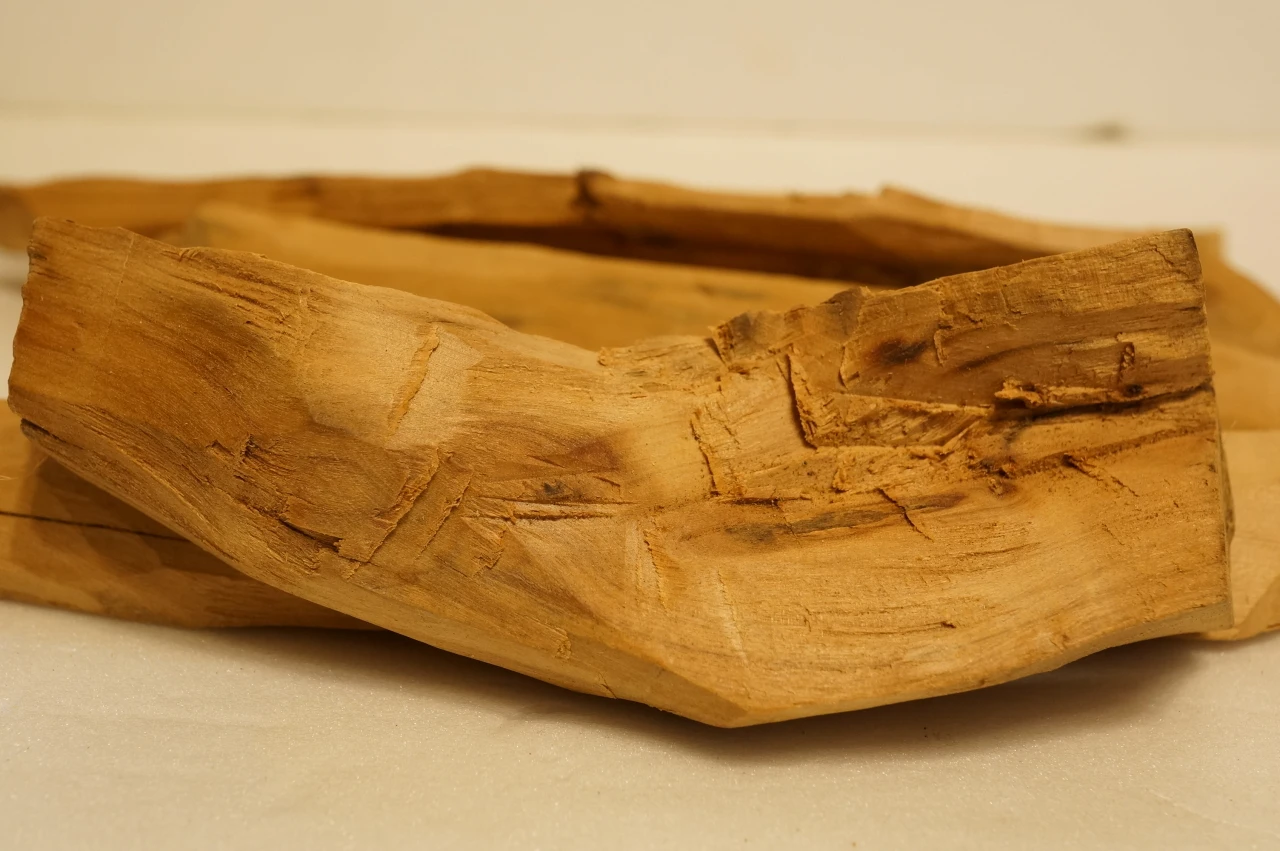
although extraction technology did not exist in ancient times, was already used in daily life for worshipping heaven, incense, dispelling miasma, regulating qi, and medicine... its uses are similar to those of agarwood.
Sandalwood is a precious and rare plantSandalwood belongs to the genus *Santalum* of the family Santalaceae.
Historically, sandalwood has been a symbol of power and status. In India, for example, it is considered a sacred tree. The sandalwood
tree is valuable in its entirety and is often called the "golden tree." Besides being used to make various religious statues and related items, its fragrance, like agarwood, is calming and soothing, naturally relieving the tension of daily life. Therefore, sandalwood is not only beneficial for religious worship or those practicing discipline, but also beneficial for everyone who values physical and mental well-being. It is an indispensable incense in all religious ceremonies. Therefore, using old mountain sandalwood as a carving material—
artistic creations depicting a paradise on earth, and the aroma of Indian old mountain sandalwood—brings peace and comfort to the body, mind, and spirit.
Sandalwood is a precious and rare plantSandalwood belongs to the genus *Santalum* of the family Santalaceae.
Historically, sandalwood has been a symbol of power and status. In India, for example, it is considered a sacred tree. The sandalwood
tree is valuable in its entirety and is often called the "golden tree." Besides being used to make various religious statues and related items, its fragrance, like agarwood, is calming and soothing, naturally relieving the tension of daily life. Therefore, sandalwood is not only beneficial for religious worship or those practicing discipline, but also beneficial for everyone who values physical and mental well-being. It is an indispensable incense in all religious ceremonies. Therefore, using old mountain sandalwood as a carving material—
artistic creations depicting a paradise on earth, and the aroma of Indian old mountain sandalwood—brings peace and comfort to the body, mind, and spirit.
相關文章
 發信給店家
發信給店家 聯絡店家
聯絡店家 加入店家line好友