


 MENU
MENU
NEWS

Tan Tian Shuo Di
Although sandalwood extraction technology didn't exist in ancient times, it was already used in daily life for offerings to the heavens, incense, warding off evil spirits, regulating qi, and medicinal purposes—
its uses are remarkably similar to those of agarwood.
Sandalwood is a precious and rare plant belonging to the genus *Santalum* of the family Santalaceae . It is an evergreen tree with dense, sturdy wood that is not easily broken.
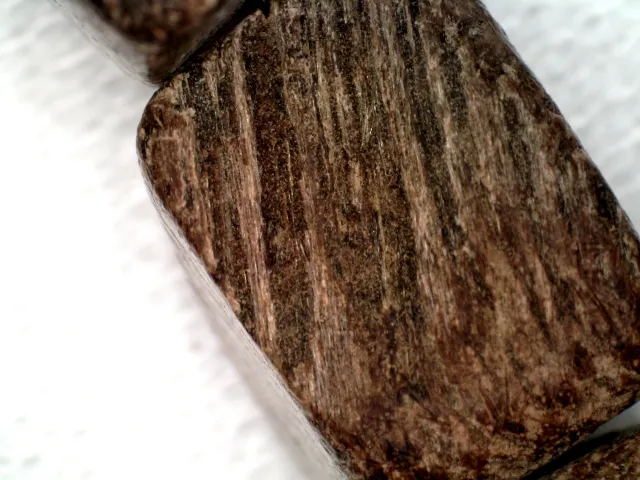
When split longitudinally, its grain is straight. Even before burning, it emits a faint, pleasant fragrance, which becomes stronger after burning.
The genus *Santalum* currently has 15 species and 13 varieties, mainly distributed from India and Indonesia to Australia and some Pacific islands
. It is also cultivated in Taiwan, Malaysia, Hainan Island, and Yunnan. Historically, sandalwood has largely been a symbol of power and status.
In India, for example, sandalwood is considered a sacred tree . For a long time, sandalwood has been closely related to people's daily lives and religious activities.
Easterners, in particular, have a traditional and spiritual affinity for sandalwood, which, coupled with its connection to religious beliefs,
imbues it with a mystical aura. This fondness for sandalwood among Easterners is quite understandable. The sandalwood tree is a treasure trove, often called the "golden tree ."
Besides being used to make various religious images and related items, its fragrance, like agarwood, is calming and
soothing, naturally relieving the tension of daily life. Therefore, sandalwood is not only beneficial for religious worship and spiritual practice,
but also beneficial for everyone who values health and well-being. It is an indispensable and essential incense in all religious ceremonies.
Sandalwood is recognized worldwide as one of the world's finest aromatic plants, and its extracted sandalwood oil is a unique raw material in the high-end perfume and fragrance industry.
Furthermore, it can produce many high-value-added products, and depending on the different types of sandalwood, it can be used to beloved sandalwood furniture, handicrafts, and so on.
However, due to the high demand for all sandalwood products, the supply of sandalwood cannot meet the demand, leading to long-term over-harvesting and a sharp decline in the world's natural sandalwood resources,
causing sandalwood prices to soar in the international market. Therefore, for many years, people have hoped to develop the sandalwood industry through artificial cultivation
to achieve higher economic returns. Many sandalwood exporting countries, like those cultivating agarwood trees, have invested significant human and financial resources in researching sandalwood cultivation methods
. John Ed. of Curtin University of Technology in Australia is one such example. Professor Fox, after more than 20 years of dedicated research,
selected several superior species from over ten species in the *Sandalwood* genus that exhibit rapid growth and high oil content. He developed a complete biotechnology system from the propagation of high-quality sandalwood seedlings to large-scale artificial cultivation. This system
not only boasts significant economic benefits but also exhibits excellent ecological and environmental protection effects, particularly in areas with poor soil and damaged natural ecosystems.
It has received high praise from international peers and has become a
distinctive and advantageous project in Australia, especially Western Australia, in environmental protection and green biotechnology.
However, currently, the supply is far from meeting the demand for sandalwood, so the price of natural sandalwood remains high.
its uses are remarkably similar to those of agarwood.
Sandalwood is a precious and rare plant belonging to the genus *Santalum* of the family Santalaceae . It is an evergreen tree with dense, sturdy wood that is not easily broken.
When split longitudinally, its grain is straight. Even before burning, it emits a faint, pleasant fragrance, which becomes stronger after burning.
The genus *Santalum* currently has 15 species and 13 varieties, mainly distributed from India and Indonesia to Australia and some Pacific islands
. It is also cultivated in Taiwan, Malaysia, Hainan Island, and Yunnan. Historically, sandalwood has largely been a symbol of power and status.
In India, for example, sandalwood is considered a sacred tree . For a long time, sandalwood has been closely related to people's daily lives and religious activities.
Easterners, in particular, have a traditional and spiritual affinity for sandalwood, which, coupled with its connection to religious beliefs,
imbues it with a mystical aura. This fondness for sandalwood among Easterners is quite understandable. The sandalwood tree is a treasure trove, often called the "golden tree ."
Besides being used to make various religious images and related items, its fragrance, like agarwood, is calming and
soothing, naturally relieving the tension of daily life. Therefore, sandalwood is not only beneficial for religious worship and spiritual practice,
but also beneficial for everyone who values health and well-being. It is an indispensable and essential incense in all religious ceremonies.
Sandalwood is recognized worldwide as one of the world's finest aromatic plants, and its extracted sandalwood oil is a unique raw material in the high-end perfume and fragrance industry.
Furthermore, it can produce many high-value-added products, and depending on the different types of sandalwood, it can be used to beloved sandalwood furniture, handicrafts, and so on.
However, due to the high demand for all sandalwood products, the supply of sandalwood cannot meet the demand, leading to long-term over-harvesting and a sharp decline in the world's natural sandalwood resources,
causing sandalwood prices to soar in the international market. Therefore, for many years, people have hoped to develop the sandalwood industry through artificial cultivation
to achieve higher economic returns. Many sandalwood exporting countries, like those cultivating agarwood trees, have invested significant human and financial resources in researching sandalwood cultivation methods
. John Ed. of Curtin University of Technology in Australia is one such example. Professor Fox, after more than 20 years of dedicated research,
selected several superior species from over ten species in the *Sandalwood* genus that exhibit rapid growth and high oil content. He developed a complete biotechnology system from the propagation of high-quality sandalwood seedlings to large-scale artificial cultivation. This system
not only boasts significant economic benefits but also exhibits excellent ecological and environmental protection effects, particularly in areas with poor soil and damaged natural ecosystems.
It has received high praise from international peers and has become a
distinctive and advantageous project in Australia, especially Western Australia, in environmental protection and green biotechnology.
However, currently, the supply is far from meeting the demand for sandalwood, so the price of natural sandalwood remains high.
相關文章
 發信給店家
發信給店家 聯絡店家
聯絡店家 加入店家line好友