


 MENU
MENU
NEWS

Agarwood is a symbol of prestige and has high collectible value.
http://www.chinatimes.com/newspapers/20150111000561-260102 A reposted article online:
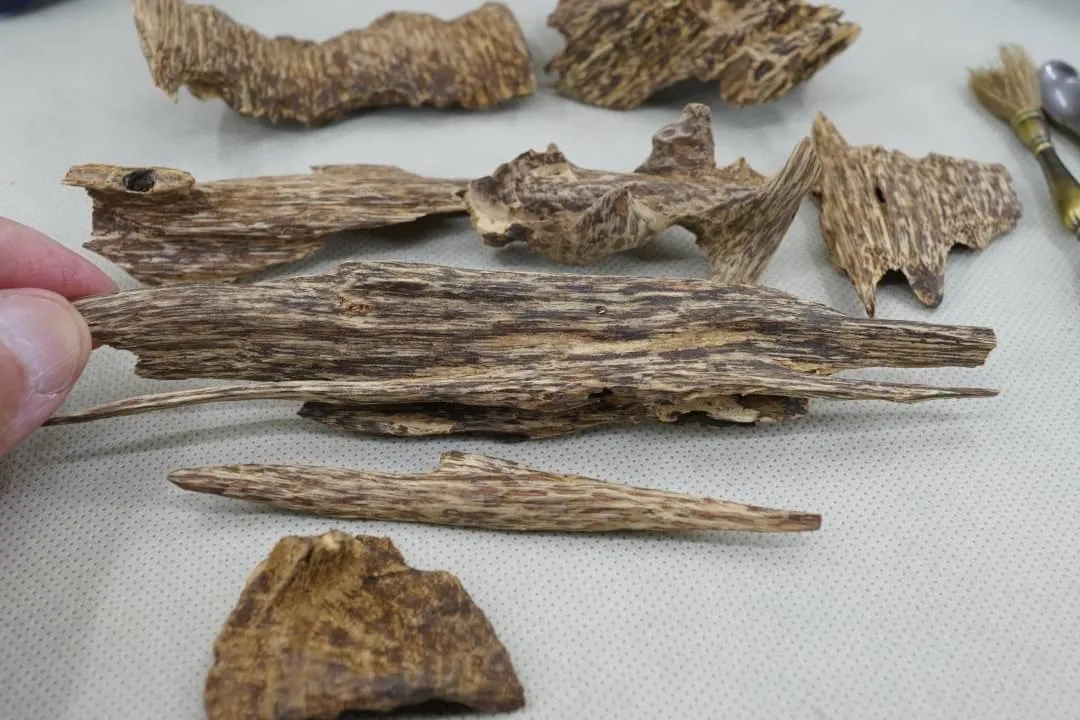
"Born from wounds, formed in flames," it is the most resilient crystal in nature's evolution—agarwood. Agarwood is not a type of wood, but rather the resin secreted by the agarwood tree after it is injured and infected by fungi. This process initiates a biosynthesis of healing and repair, taking decades to centuries to form the rare agarwood. Wu Cheng-yan, general manager of Mendeyan Auction Company, stated that agarwood grows in hot and humid tropical regions, from Lingnan in China to the South Pacific Peninsula, mainly distributed in Guangdong, Guangxi, Yunnan, and Fujian provinces. Agarwood is a unique and precious medicinal plant in China, a gem in the natural medicine treasury. Agarwood has uses in various forms, from raw wood and aromatic materials to powder and oil extraction. It can also be smelled, eaten, viewed, and appreciated, with a wide range of applications. Its fragrance can dispel evil and impurities, calm the mind, and is considered the foremost of the four fragrances. Its aroma is infinitely complex and becomes more pronounced with
heating, exhibiting numerous layers of fragrance. It has been revered as a symbol since ancient times. ■ Lightning Strike, Animal Claws, Fungal Infestation: Naturally formed, resilient agarwood is like plum blossoms, which need to endure the bitter cold to produce their fragrant aroma; like pearls, which require numerous hardships to form a full and smooth treasure from the sea. Similarly, agarwood needs to withstand natural blows such as lightning strikes, animal claws, axe cuts, peeling, insect infestation, and fungal contamination to form the finest agarwood. At the Taipei Mendeyang Auction's "Annual Forum on the Way of Agarwood," General Manager Wu Cheng-yan engaged in lively discussions with a group of agarwood enthusiasts. The event included burning agarwood and appreciating its unique and refreshing aroma, creating a vibrant atmosphere akin to a small gathering of agarwood lovers. Agarwood comes in many varieties and has a wide range of uses. In Taiwan, agarwood is primarily used in medicine, religion, and for collecting. For example, "Nha Trang Old Shell Agarwood" is the most famous medicinal agarwood, believed to benefit the five internal organs and possessing excellent medicinal properties; the older the agarwood, the milder its medicinal properties. ■ Agarwood has many uses, including medicinal, religious, and collectible applications. Yellow soil agarwood has multiple layers of aroma, including fruity, honey, and frankincense notes, making it a top choice for incense burning and incense competitions. It is understood that 1 gram of carbonized loess agarwood is worth as much as 3 grams of agarwood on the market. Therefore, being able to collect this grade of agarwood indicates one is a top-tier veteran among agarwood collectors.
According to Huang Tingjian, a poet of the Northern Song Dynasty, in his "Ten Virtues of Incense," the benefits of incense include: "It can move spirits and gods, purify body and mind, dispel impurities, awaken from sleep, become a friend in stillness, steal a moment of leisure in the dust, never tire of having much, yet sufficient in little, lasting for a long time without decay, and unimpeded by frequent use." The ancients believed that appreciating incense was not merely about distinguishing scents, but a sublimation of the experience from olfactory perception to mental contemplation; smelling it brings joy and satisfaction; and when used for meditation and breath control, it can calm the mind and stabilize the spirit, making it an excellent aid to spiritual practice. Before appreciating incense, there are four purifications: purification of mind, purification of body, purification of incense utensils, and purification of environment. ■ The appreciation and enjoyment of incense have become a refined pursuit for many. Purity of mind is a solemn and sublime matter; to achieve the purpose and effect of burning incense, a pure mind is the most fundamental requirement. Purity of body refers to the importance and respect shown towards burning incense; therefore, one should wash hands and body before burning incense, even bathing and changing clothes. The higher the level of importance placed on this, the better the effect. Purity of incense utensils and environment is essential; maintaining cleanliness is a form of spiritual practice, a sign of respect and merit, and also an attitude of responsibility towards oneself. The space for incense appreciation should be spacious, bright, and well-ventilated to allow the aroma to circulate and blend with the air and environment. When appreciating incense, hold the bottom of the incense burner with your left hand, one foot of the burner facing outwards, and half-cover the burner surface with your right hand. Extend both arms horizontally, lower your head, and bring your nose close to the incense burner. Slowly inhale and appreciate the aroma. When exhaling, turn your head to the left to exhale. Never exhale directly into the burner. Maintain a distance of three to five feet from the incense table so that you can both smell the aroma and observe the wonderful changes in the incense smoke. Each time you appreciate incense, you can record the unique aroma characteristics of different incense materials, which can unconsciously improve your ability to appreciate and identify incense. Agarwood is a treasure from top to bottom, with a wide range of uses and high economic value. Its rarity proves its extremely high collectible value. In the modern era of technological advancement and civilization, owning high-quality agarwood is a symbol of wealth, status, and devout faith.
"Born from wounds, formed in flames," it is the most resilient crystal in nature's evolution—agarwood. Agarwood is not a type of wood, but rather the resin secreted by the agarwood tree after it is injured and infected by fungi. This process initiates a biosynthesis of healing and repair, taking decades to centuries to form the rare agarwood. Wu Cheng-yan, general manager of Mendeyan Auction Company, stated that agarwood grows in hot and humid tropical regions, from Lingnan in China to the South Pacific Peninsula, mainly distributed in Guangdong, Guangxi, Yunnan, and Fujian provinces. Agarwood is a unique and precious medicinal plant in China, a gem in the natural medicine treasury. Agarwood has uses in various forms, from raw wood and aromatic materials to powder and oil extraction. It can also be smelled, eaten, viewed, and appreciated, with a wide range of applications. Its fragrance can dispel evil and impurities, calm the mind, and is considered the foremost of the four fragrances. Its aroma is infinitely complex and becomes more pronounced with
heating, exhibiting numerous layers of fragrance. It has been revered as a symbol since ancient times. ■ Lightning Strike, Animal Claws, Fungal Infestation: Naturally formed, resilient agarwood is like plum blossoms, which need to endure the bitter cold to produce their fragrant aroma; like pearls, which require numerous hardships to form a full and smooth treasure from the sea. Similarly, agarwood needs to withstand natural blows such as lightning strikes, animal claws, axe cuts, peeling, insect infestation, and fungal contamination to form the finest agarwood. At the Taipei Mendeyang Auction's "Annual Forum on the Way of Agarwood," General Manager Wu Cheng-yan engaged in lively discussions with a group of agarwood enthusiasts. The event included burning agarwood and appreciating its unique and refreshing aroma, creating a vibrant atmosphere akin to a small gathering of agarwood lovers. Agarwood comes in many varieties and has a wide range of uses. In Taiwan, agarwood is primarily used in medicine, religion, and for collecting. For example, "Nha Trang Old Shell Agarwood" is the most famous medicinal agarwood, believed to benefit the five internal organs and possessing excellent medicinal properties; the older the agarwood, the milder its medicinal properties. ■ Agarwood has many uses, including medicinal, religious, and collectible applications. Yellow soil agarwood has multiple layers of aroma, including fruity, honey, and frankincense notes, making it a top choice for incense burning and incense competitions. It is understood that 1 gram of carbonized loess agarwood is worth as much as 3 grams of agarwood on the market. Therefore, being able to collect this grade of agarwood indicates one is a top-tier veteran among agarwood collectors.
According to Huang Tingjian, a poet of the Northern Song Dynasty, in his "Ten Virtues of Incense," the benefits of incense include: "It can move spirits and gods, purify body and mind, dispel impurities, awaken from sleep, become a friend in stillness, steal a moment of leisure in the dust, never tire of having much, yet sufficient in little, lasting for a long time without decay, and unimpeded by frequent use." The ancients believed that appreciating incense was not merely about distinguishing scents, but a sublimation of the experience from olfactory perception to mental contemplation; smelling it brings joy and satisfaction; and when used for meditation and breath control, it can calm the mind and stabilize the spirit, making it an excellent aid to spiritual practice. Before appreciating incense, there are four purifications: purification of mind, purification of body, purification of incense utensils, and purification of environment. ■ The appreciation and enjoyment of incense have become a refined pursuit for many. Purity of mind is a solemn and sublime matter; to achieve the purpose and effect of burning incense, a pure mind is the most fundamental requirement. Purity of body refers to the importance and respect shown towards burning incense; therefore, one should wash hands and body before burning incense, even bathing and changing clothes. The higher the level of importance placed on this, the better the effect. Purity of incense utensils and environment is essential; maintaining cleanliness is a form of spiritual practice, a sign of respect and merit, and also an attitude of responsibility towards oneself. The space for incense appreciation should be spacious, bright, and well-ventilated to allow the aroma to circulate and blend with the air and environment. When appreciating incense, hold the bottom of the incense burner with your left hand, one foot of the burner facing outwards, and half-cover the burner surface with your right hand. Extend both arms horizontally, lower your head, and bring your nose close to the incense burner. Slowly inhale and appreciate the aroma. When exhaling, turn your head to the left to exhale. Never exhale directly into the burner. Maintain a distance of three to five feet from the incense table so that you can both smell the aroma and observe the wonderful changes in the incense smoke. Each time you appreciate incense, you can record the unique aroma characteristics of different incense materials, which can unconsciously improve your ability to appreciate and identify incense. Agarwood is a treasure from top to bottom, with a wide range of uses and high economic value. Its rarity proves its extremely high collectible value. In the modern era of technological advancement and civilization, owning high-quality agarwood is a symbol of wealth, status, and devout faith.
相關文章
 發信給店家
發信給店家 聯絡店家
聯絡店家 加入店家line好友