


 MENU
MENU
NEWS

Why buy Shouxintang agarwood beads and sandalwood beads?
Hello everyone!
Agarwood is a rare treasure that requires time and environment to develop.
Its aroma is incredibly soothing. Many research reports in both traditional Chinese and Western medicine also highlight the benefits of agarwood and sandalwood to the human body.
Therefore, when the body comes into contact with these natural woods, one feels refreshed, comfortable, and calmed.
While these are not necessities, they certainly have a beneficial effect!
1. Shouxintang Incense Shop carefully selects Jayapura agarwood from Indonesia (Darakan Papua) as its bead-making material. Why? Agarwood
beads undergo mineralization for over 750 years , while agarwood beads take over 1000 years . The longer the mineralization time, the finer the wood fibers become. If you've ever seen petrified wood, you'll know its texture—frankly, it's no different from stone.
Merchants selling agarwood in the market determine the quality of their products when purchasing the raw wood for bead making; of course, they can make cheaper beads that way. You can buy agarwood that hasn't been mineralized for very long, and the price is much lower!
Cheaper agarwood beads often have a lot of material, and this is the most common type on the market. However, after a period of use (under normal use), they will show signs of damage and deformation.
This is because the wood fibers are looser and begin to peel and fall off over time, becoming tooth-like agarwood beads.
Therefore, we carefully select agarwood from Jayapula, Tarakan, and Papua with a longer mineralization time for our beads. Why
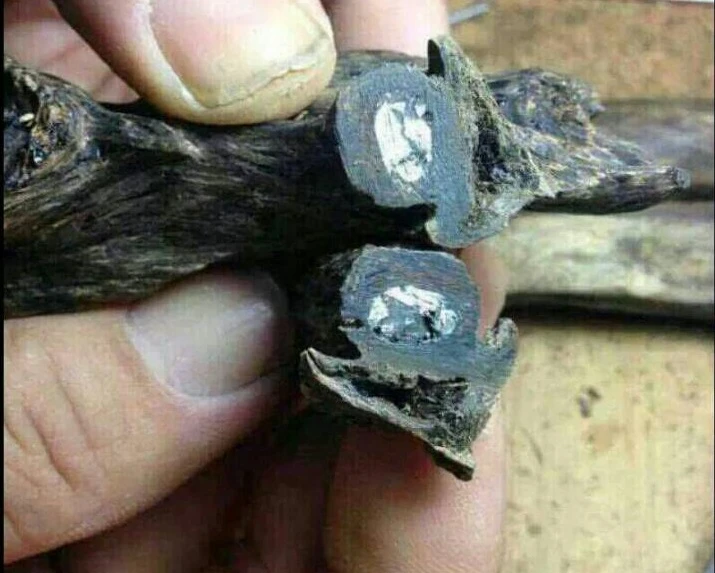
do we choose agarwood from Jayapula, Tarakan, and Papua in Indonesia instead of agarwood from other regions? Jayapura, Tarakan, and Papuan agarwood each possess their own unique aromas. Jayapura agarwood, with its longer mineralization time, has a strong, clear fragrance; Tarakan agarwood has a cool, sweet, and powerful aroma; and Papuan agarwood, especially the black oil variety, has a sweet fragrance. High-quality agarwood undergoes a transformation in its aroma over time, losing the characteristic acidity of Indonesian agarwood and transforming into a stable, clear fragrance. This is far superior to Vietnamese agarwood. Furthermore, the frequent reports of Vietnamese agarwood or beads being used to fake agarwood have caused significant harm to merchants and buyers. Some vendors use dental instruments to lead blocks, AB glue, and other materials into logs or prayer beads to increase their weight and even induce rapid sinking. Furthermore , raw materials for making beads with long mineralization times are ridiculously expensive, making it impossible to justify the damage and wear during the bead-making process. Of course, this excludes early collectors who make their own beads. Those who have seen commercially available beads labeled as Qinan, Huian, or Red Soil Agarwood can check the market for Qinan, Huian, Nha Trang, etc., which are priced in "grams" (many imitations are labeled as: Qinan, Red Soil... high-grade agarwood, but sellers often their own names or use other production areas as a substitute). Cubic beads are even more expensive. How can such expensive beads be made? Importing Vietnamese agarwood for bead making is also very risky!!! Therefore, we strictly select Jayapura ... 3. The market is flooded with imitation agarwood prayer beads!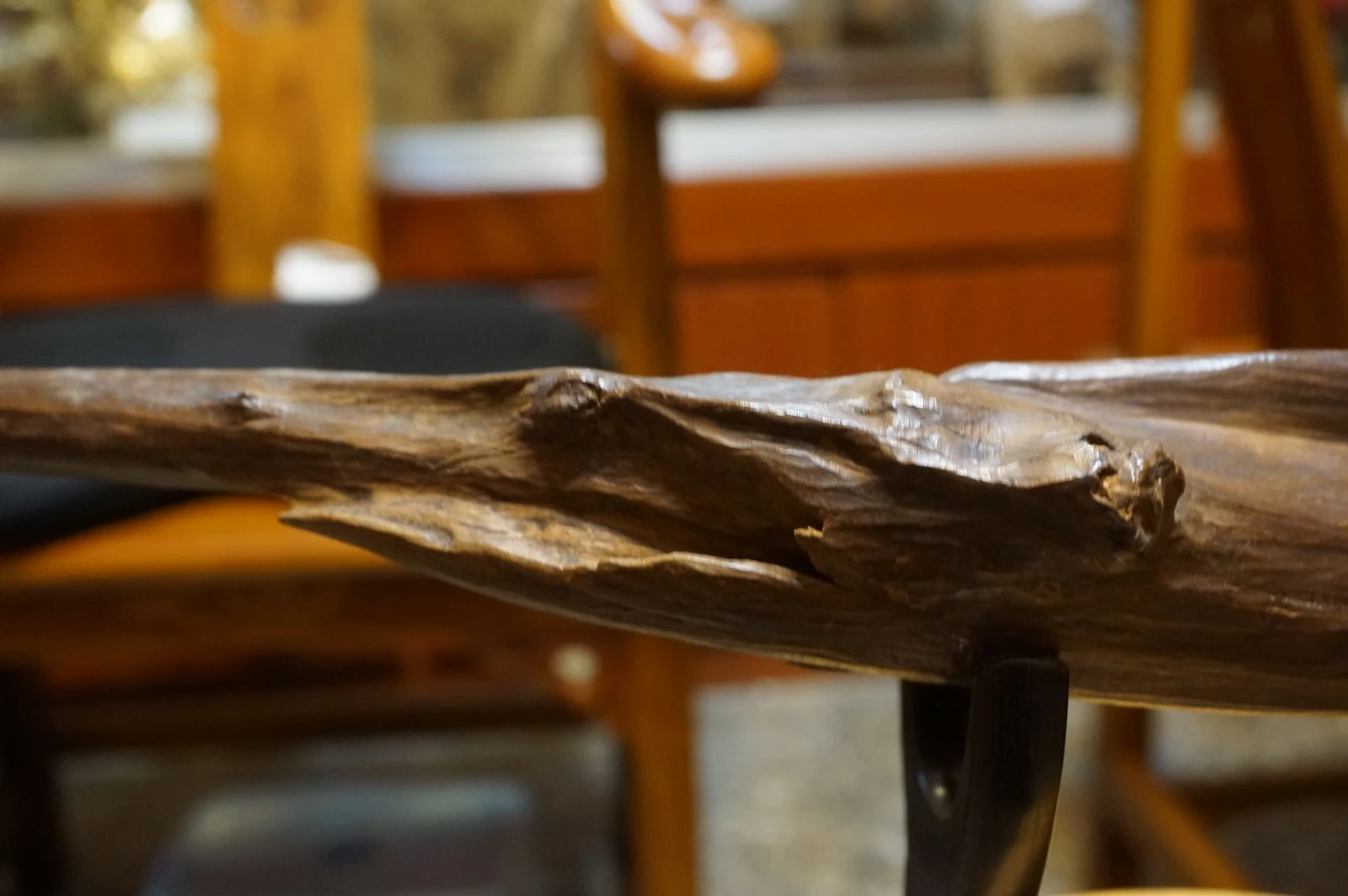
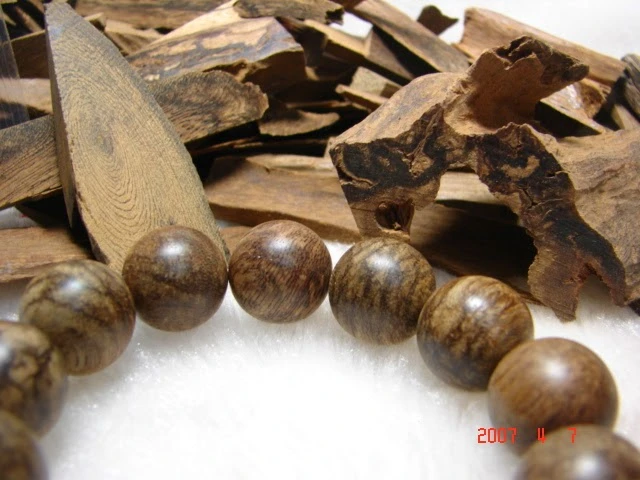
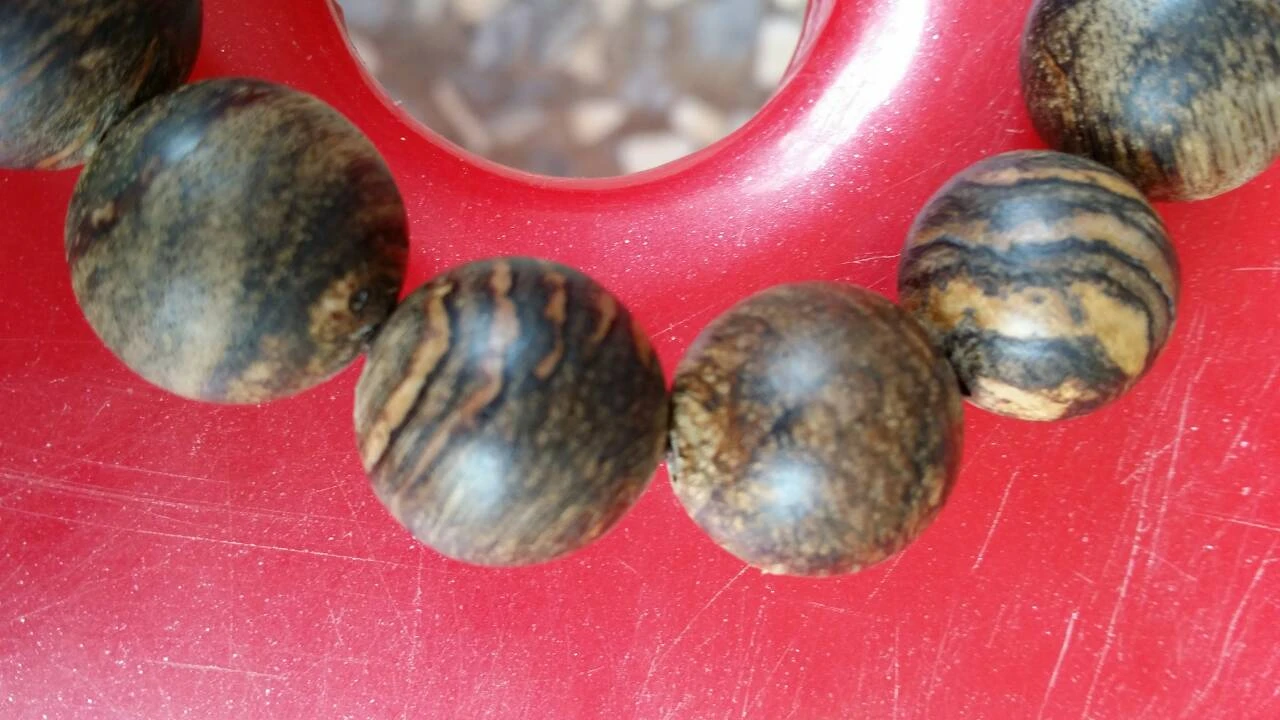
If consumers are not careful, or if merchants tout low prices for genuine agarwood prayer beads
and lack knowledge of truly natural, long-mineralized agarwood, they may mistakenly believe all agarwood prayer beads are the same. After purchase, problems such as cracking, loss of fragrance, and fading are frequently reported, often leading consumers to lose faith in genuine agarwood prayer beads altogether.
4. How to avoid buying fake agarwood beads?
Currently, there's another type of fake agarwood that also has oil lines and looks exactly like real agarwood. However , after burning, it lacks the aroma of agarwood from the Thymelaeaceae family (such as Vietnamese crocodile wood and vine) .
This type of fake agarwood is rampant in the market (usually, fake agarwood oil is applied by heating to enhance the aroma).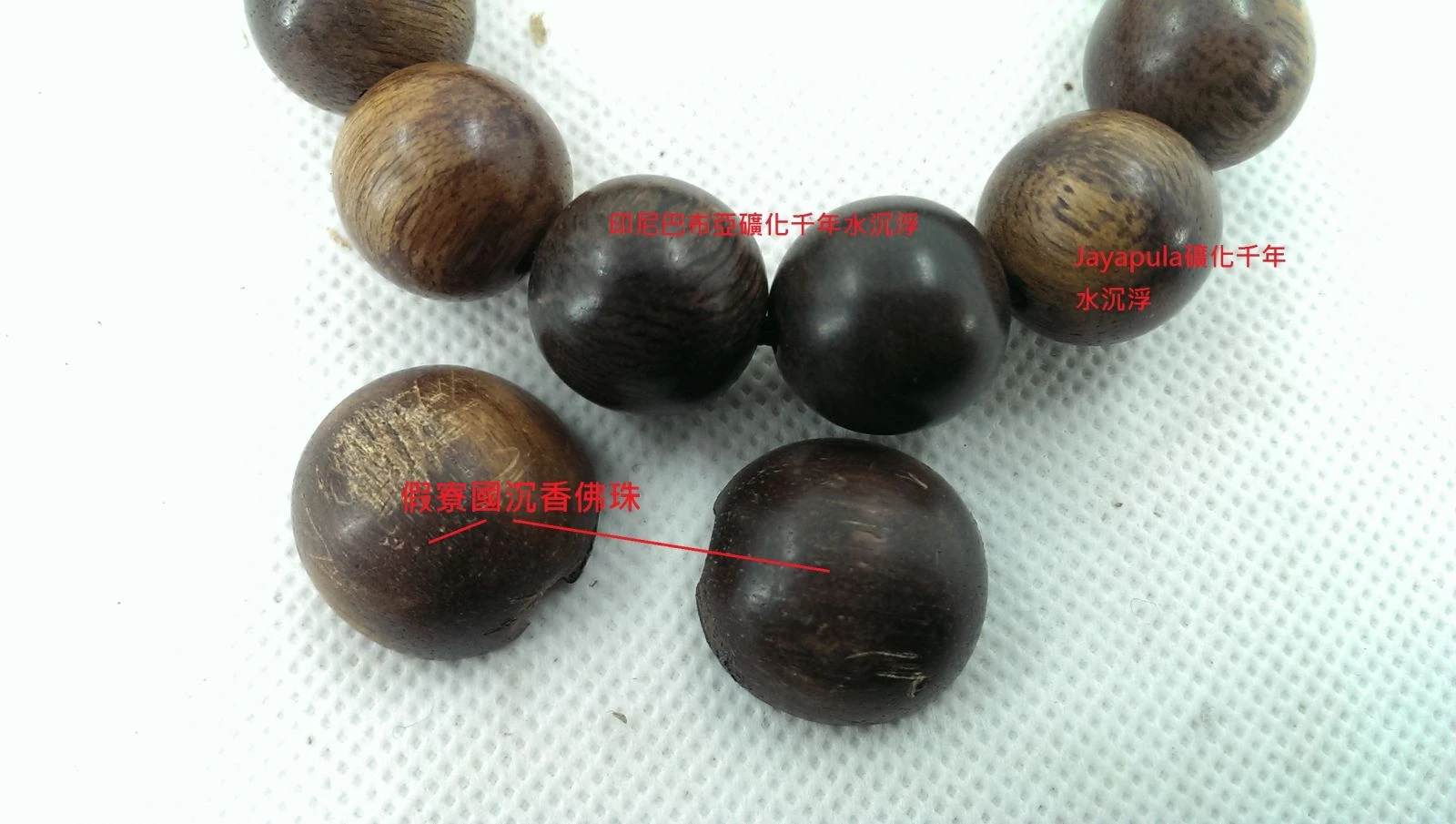
Other fake hardwood beads include Laotian agarwood beads
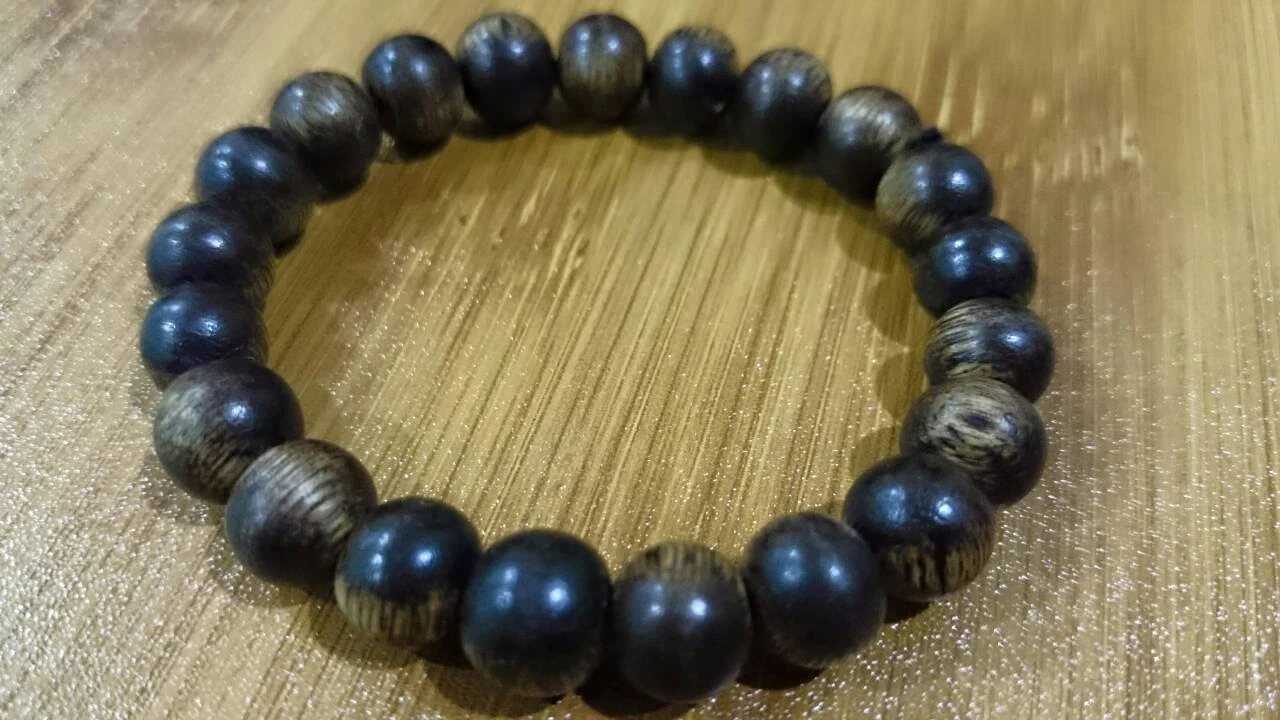
that are injected with oil and compressed (fake Vietnamese Hoi An beads),
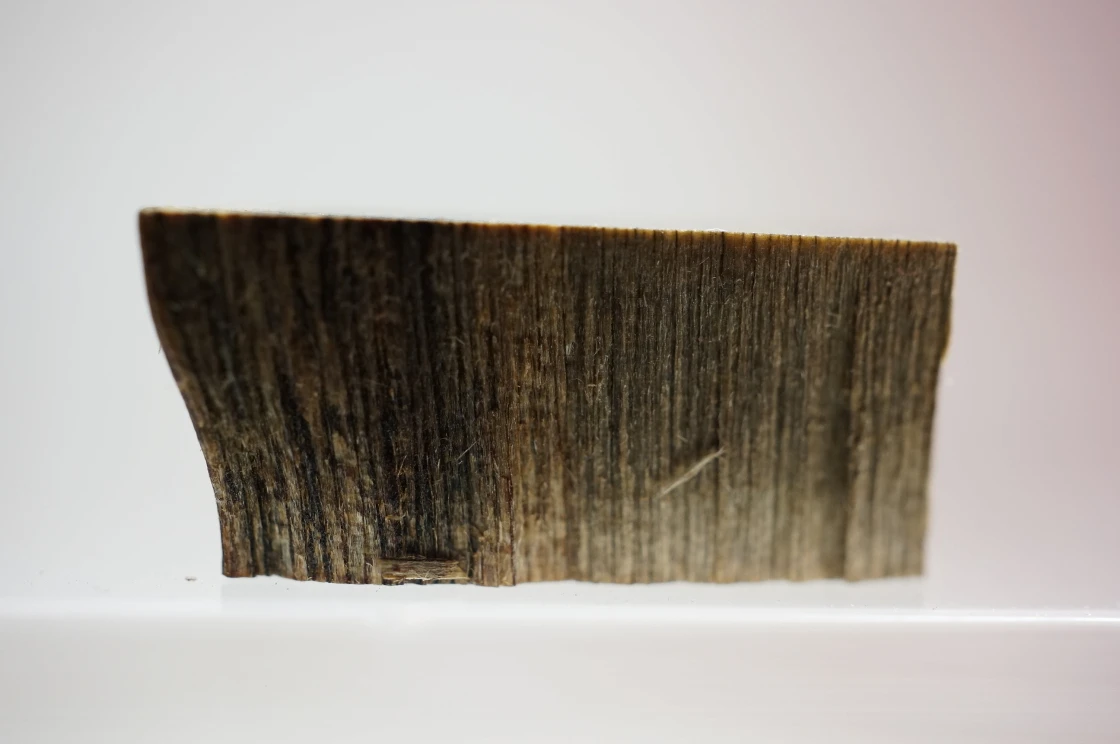
and densely compressed agarwood (fake Tarakan and Kalimantan beads). Fake agarwood beads are also
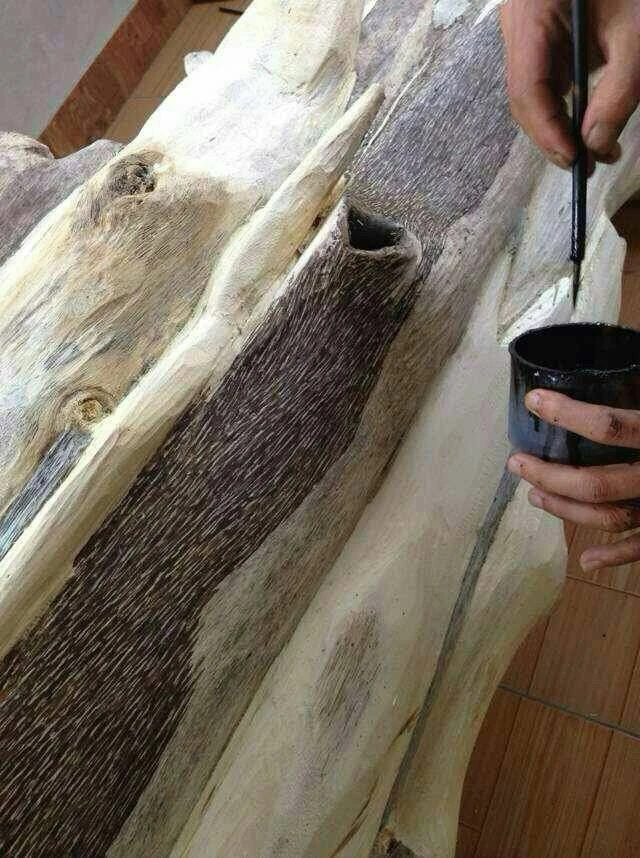
made by using fake agarwood oil and asphalt to draw oil lines on the agarwood,
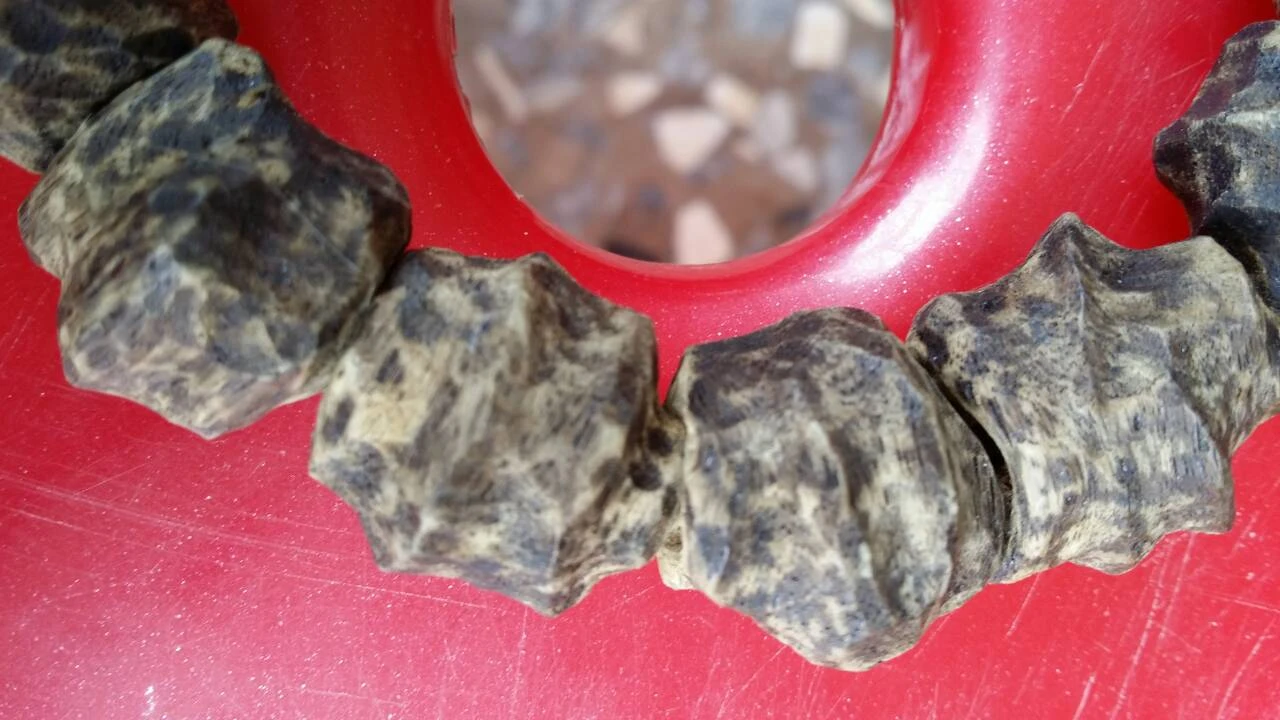
creating irregular
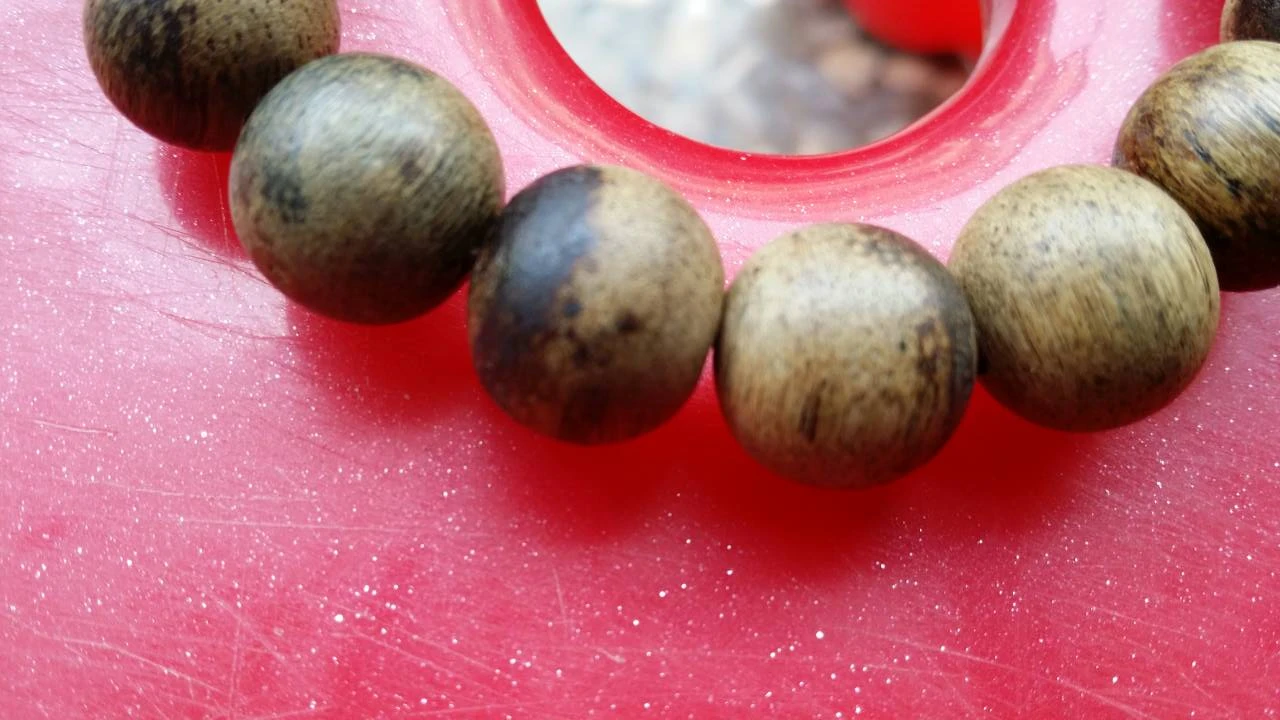
hand-held beads (the oil lines will feel sticky).
Agarwood is a rare treasure that requires time and environment to develop.
Its aroma is incredibly soothing. Many research reports in both traditional Chinese and Western medicine also highlight the benefits of agarwood and sandalwood to the human body.
Therefore, when the body comes into contact with these natural woods, one feels refreshed, comfortable, and calmed.
While these are not necessities, they certainly have a beneficial effect!
1. Shouxintang Incense Shop carefully selects Jayapura agarwood from Indonesia (Darakan Papua) as its bead-making material. Why? Agarwood
beads undergo mineralization for over 750 years , while agarwood beads take over 1000 years . The longer the mineralization time, the finer the wood fibers become. If you've ever seen petrified wood, you'll know its texture—frankly, it's no different from stone.
Merchants selling agarwood in the market determine the quality of their products when purchasing the raw wood for bead making; of course, they can make cheaper beads that way. You can buy agarwood that hasn't been mineralized for very long, and the price is much lower!
Cheaper agarwood beads often have a lot of material, and this is the most common type on the market. However, after a period of use (under normal use), they will show signs of damage and deformation.
This is because the wood fibers are looser and begin to peel and fall off over time, becoming tooth-like agarwood beads.
Therefore, we carefully select agarwood from Jayapula, Tarakan, and Papua with a longer mineralization time for our beads. Why
do we choose agarwood from Jayapula, Tarakan, and Papua in Indonesia instead of agarwood from other regions? Jayapura, Tarakan, and Papuan agarwood each possess their own unique aromas. Jayapura agarwood, with its longer mineralization time, has a strong, clear fragrance; Tarakan agarwood has a cool, sweet, and powerful aroma; and Papuan agarwood, especially the black oil variety, has a sweet fragrance. High-quality agarwood undergoes a transformation in its aroma over time, losing the characteristic acidity of Indonesian agarwood and transforming into a stable, clear fragrance. This is far superior to Vietnamese agarwood. Furthermore, the frequent reports of Vietnamese agarwood or beads being used to fake agarwood have caused significant harm to merchants and buyers. Some vendors use dental instruments to lead blocks, AB glue, and other materials into logs or prayer beads to increase their weight and even induce rapid sinking. Furthermore , raw materials for making beads with long mineralization times are ridiculously expensive, making it impossible to justify the damage and wear during the bead-making process. Of course, this excludes early collectors who make their own beads. Those who have seen commercially available beads labeled as Qinan, Huian, or Red Soil Agarwood can check the market for Qinan, Huian, Nha Trang, etc., which are priced in "grams" (many imitations are labeled as: Qinan, Red Soil... high-grade agarwood, but sellers often their own names or use other production areas as a substitute). Cubic beads are even more expensive. How can such expensive beads be made? Importing Vietnamese agarwood for bead making is also very risky!!! Therefore, we strictly select Jayapura ... 3. The market is flooded with imitation agarwood prayer beads!
Some imported agarwood is processed using non-Thymelaeaceae family and live agarwood wood, compressed and vacuum-sealed to produce high-oil prayer beads. Others use artificially planted agarwood, aquarium
coral wood (used for binding aquatic plants), and then heated to allow the agarwood oil to adhere. There are also beads made with "technological agarwood , " etc. , and even
coral wood (used for binding aquatic plants), and then heated to allow the agarwood oil to adhere. There are also beads made with "technological agarwood , " etc. , and even
fake agarwood beads made with vines.
If consumers are not careful, or if merchants tout low prices for genuine agarwood prayer beads
and lack knowledge of truly natural, long-mineralized agarwood, they may mistakenly believe all agarwood prayer beads are the same. After purchase, problems such as cracking, loss of fragrance, and fading are frequently reported, often leading consumers to lose faith in genuine agarwood prayer beads altogether.
4. How to avoid buying fake agarwood beads?
Currently, there's another type of fake agarwood that also has oil lines and looks exactly like real agarwood. However , after burning, it lacks the aroma of agarwood from the Thymelaeaceae family (such as Vietnamese crocodile wood and vine) .
This type of fake agarwood is rampant in the market (usually, fake agarwood oil is applied by heating to enhance the aroma).
Other fake hardwood beads include Laotian agarwood beads
that are injected with oil and compressed (fake Vietnamese Hoi An beads),
and densely compressed agarwood (fake Tarakan and Kalimantan beads). Fake agarwood beads are also
made by using fake agarwood oil and asphalt to draw oil lines on the agarwood,
creating irregular
hand-held beads (the oil lines will feel sticky).
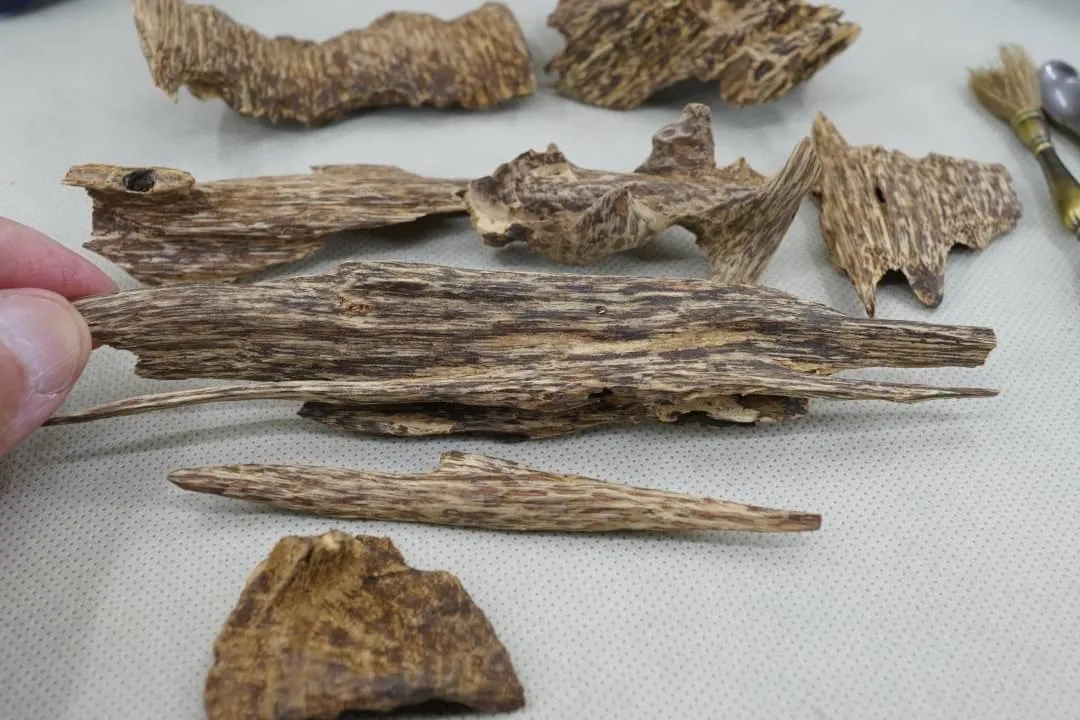
Therefore, when purchasing agarwood beads... It's best to ask the seller to provide fragments of agarwood from the agarwood processing process so you can compare their scent or burn them using a special method to verify their origin, texture, and color.
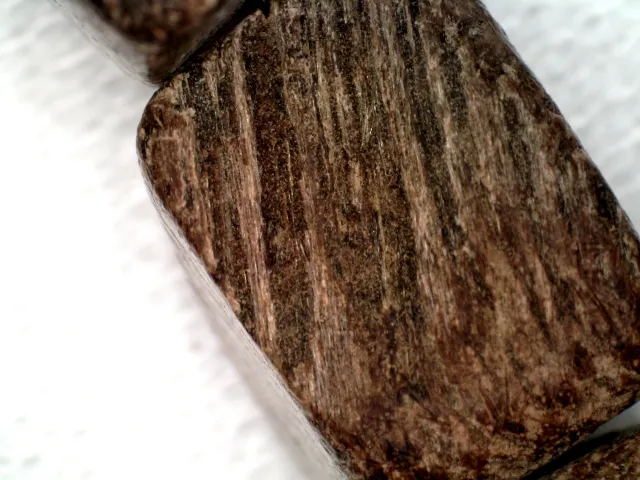
Of course, the best approach is for the buyer to bring a high-powered magnifying glass for a thorough examination, or to ask the seller to provide a sample. Ultimately, choosing a reputable seller is the best solution!
Wishing all agarwood enthusiasts success in acquiring fine agarwood beads!
Of course, the best approach is for the buyer to bring a high-powered magnifying glass for a thorough examination, or to ask the seller to provide a sample. Ultimately, choosing a reputable seller is the best solution!
Wishing all agarwood enthusiasts success in acquiring fine agarwood beads!
相關文章
 發信給店家
發信給店家 聯絡店家
聯絡店家 加入店家line好友